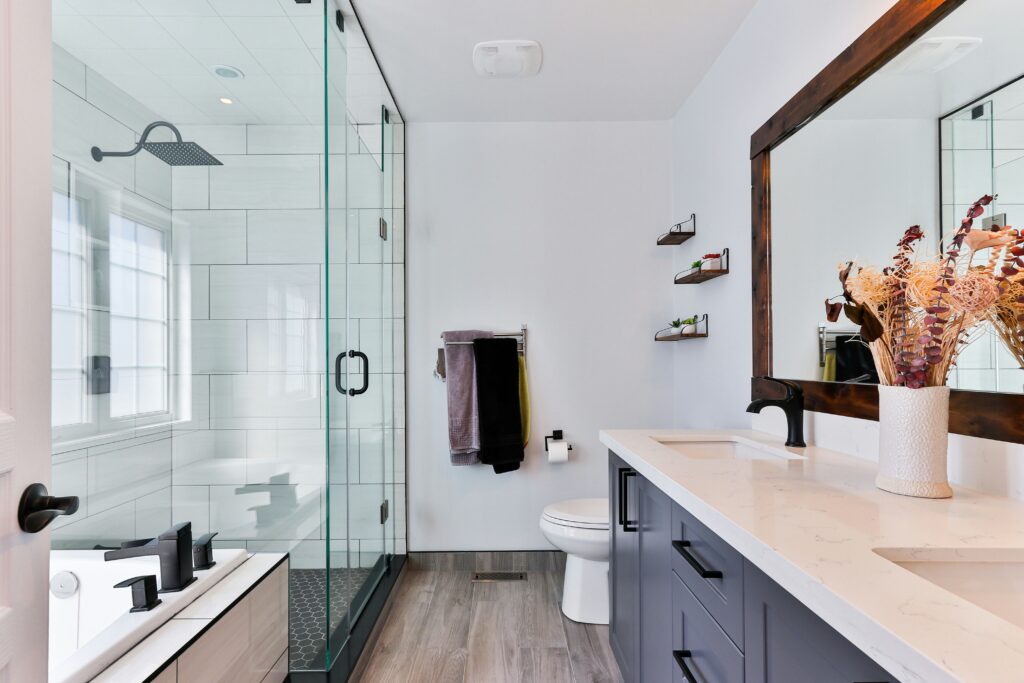
Keeping your place in good shape can feel like a full-time job. Whether you live in Princeton, NJ, or Fort Worth, Texas, you know that carefully maintaining your home can protect your investment as well as provide you with a beautiful and comfortable place to reside. That’s why staying ahead of small issues, updating high-traffic areas and making smart design choices can pay off over time. Follow these tips to significantly transform your home without breaking the bank or committing to a time-consuming renovation.
Start with a Seasonal Inspection Routine
Keep it simple. Walk through your place every few months and look for things that seem off. This includes air filters that look gray or dusty, doors that stick, and peeling caulk around windows. These small signs often point to bigger concerns down the line. When you spot them early, you can avoid expensive fixes later. No matter what part of the country you are in, summers can hit hard, and cold fronts can roll in fast.
Weather swings can affect wood, siding and even flooring. It can be difficult to deal with these maintenance issues, but having a checklist and adding important details like cleaning your home’s vents, checking weatherstripping and tightening loose doorknobs will help. Don’t wait for something to break—prevent issues instead by making little fixes promptly.
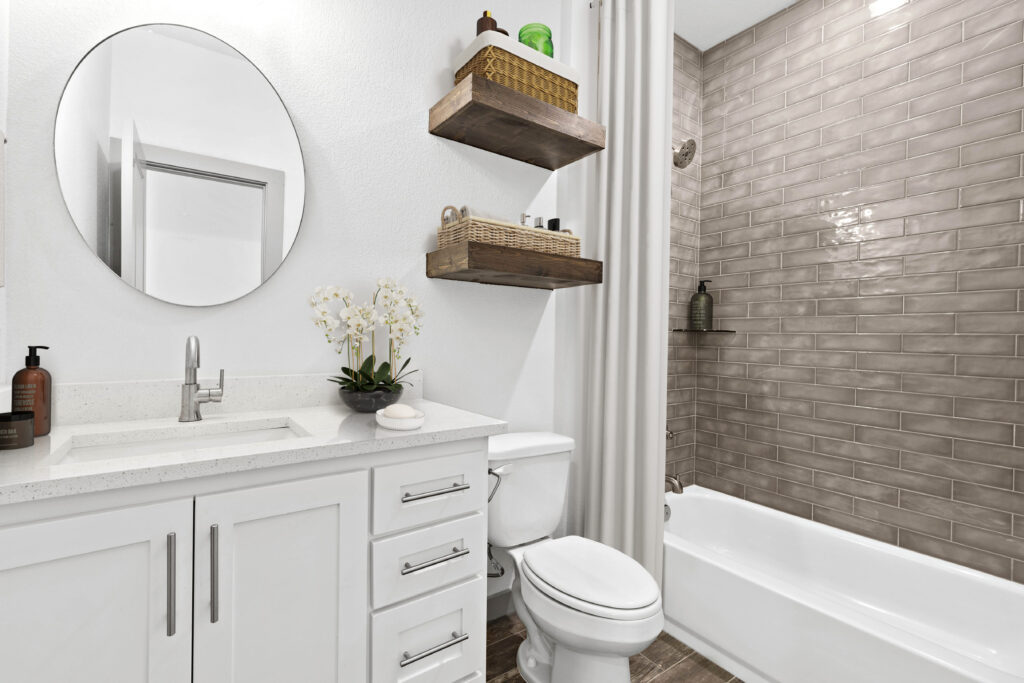
In Princeton, Fort Worth, and other parts of the country, there’s a growing demand for remodeling that won’t drag on for weeks. Some local companies offer fast, targeted updates that focus on ease of use and easy upkeep. For instance, a quality Fort Worth bathroom remodeling company can help convert old tubs into sleek showers with safety features, wall panels that wipe clean without scrubbing, and non-slip bases with projects that don’t just look fresh but make day-to-day routines easier. With a quick installation, you can enjoy quality walk-in tub conversions, wall surrounds, and built-in shower seating that fits your region’s climate and lifestyle.
Keep an Eye on Indoor Surfaces
Walls, counters and floors take a beating over time. Scuffs on painted walls, chipped tile, or loose floorboards might not seem urgent, but they can add up. Instead of putting them off, try to handle a few each weekend. A small tub of spackle, some matching paint, or a wood filler pen can go a long way. Also, don’t overlook baseboards and trim. They’re easy to refresh with a single coat of paint. And if your kitchen or bathroom counters feel dated, sometimes you can re-coat or seal them without a full tear-out.
Small Paint Projects Make a Big Difference
You don’t need to repaint your whole place to get a fresh look. Pick a couple of key areas, like a hallway or guest room, and start there. Neutrals feel light and clean, but a bold accent wall can also work well. Meanwhile, desert tones and soft blues that reflect natural light. Interior painting is one of the fastest ways to refresh your space. Plus, it’s budget-friendly. Just be sure to patch holes and lightly sand before you start. If you prep properly, the paint will last longer and look sharper.
Update Fixtures and Hardware
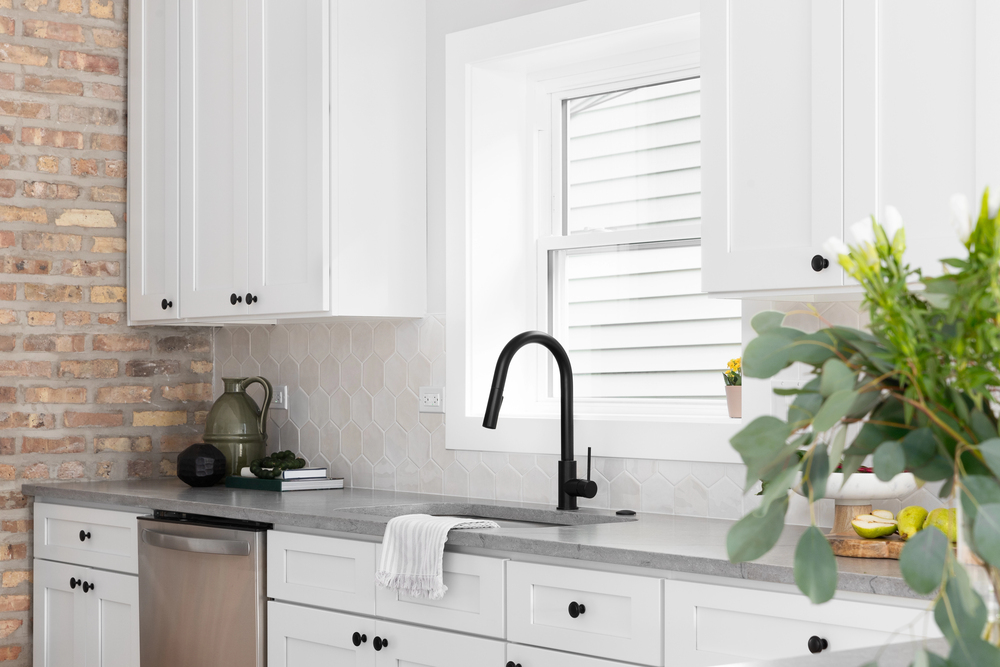
Switching out drawer pulls, knobs or light switch covers can change the feel of a room. Even swapping an old light fixture for a newer one can brighten things up. These small items are often overlooked but have a strong visual impact. Brushed metal and matte black finishes are on trend. If you’re updating a bathroom or kitchen, go for pieces that resist fingerprints and water spots. You don’t need to redo entire rooms to make them feel cleaner and more up-to-date.
Upgrade for Energy Savings
Energy bills can rise fast during summer. One way to manage that is through installing smart tech and energy-efficient features. Start with lighting. LED bulbs cost a little more upfront but last much longer and use far less power. A smart thermostat can also help reduce cooling costs without sacrificing comfort. Appliances rated for energy efficiency also make a difference over time. If you’re not ready to replace them all, start with one. Many utility companies offer rebates or incentives to help offset the price.
Check on Doors, Locks, and Entry Points
Entryways and doors see daily wear. Hinges squeak, locks loosen and weatherstripping wears out. When these features aren’t working right, you feel it. Hot air seeps in, bugs find their way through and security suffers. A screwdriver, a fresh seal, and a little time can fix most of it. While you’re at it, wipe down door frames and tighten any hardware. These basic tasks can help your entryways feel solid and secure. For homes in coastal or storm-prone areas, consider upgrading to Safeguard hurricane doors and windows with impact-rated glass and reinforced frames. Beyond storm protection, these units can reduce drafts and noise and, with low?E glass, help cut cooling costs year-round
Clean and Refresh Storage Areas
Closets, utility rooms and laundry spaces tend to collect clutter fast. Every few months, empty the shelves, toss what you don’t need, and wipe down surfaces. If dust and moisture build up in tight corners, it can lead to mildew or warped shelving. Look for simple ways to improve storage, like hooks or bins. You don’t need a full overhaul. Just making things easier to reach can reduce stress and help you stay organized.
Refresh the Look of Shared Areas
Dining rooms, living rooms or dens often become catch-all zones. Instead of replacing furniture, try rethinking your layout. Move things around. Swap throw pillows or area rugs for new ones. Add lighting in dark corners or near seating. Light fabrics and breathable textures are always popular. Keep surfaces and pathways clear. These changes cost just a little but can make your place feel better to be in.
Stay Ahead of Wear and Tear
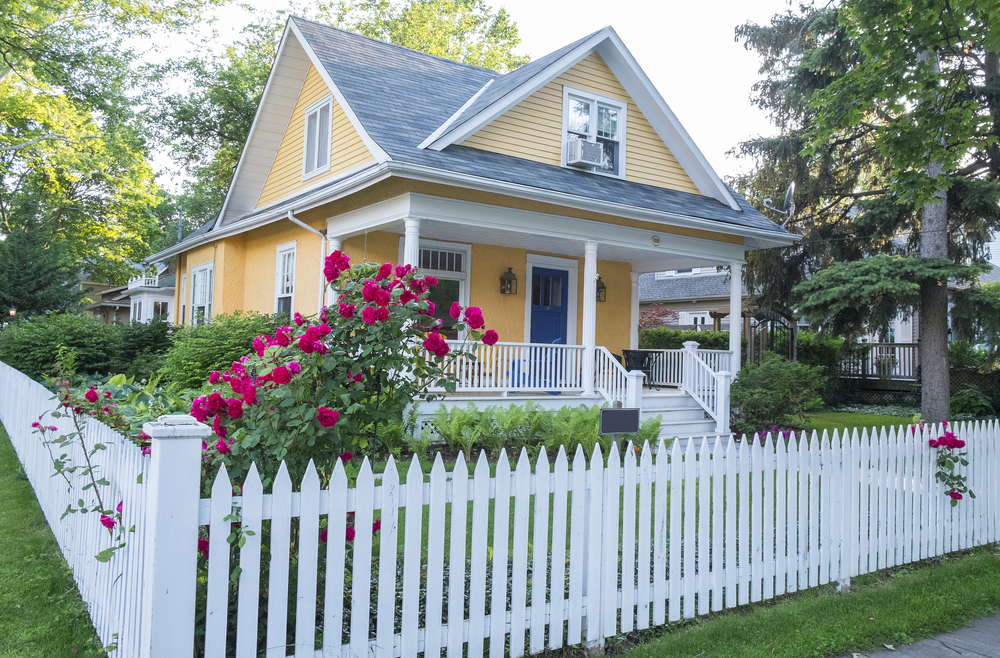
Look around for small flaws. Are there loose tiles near entryways? Are baseboards cracked? Fixing these small things may cost very little but can make your place feel well cared for. If you’ve tackled the visible items, also take a few minutes to check under sinks or behind furniture. You might catch early signs of damage before they turn into expensive fixes. Preventing issues is often less expensive than reacting to them.
While you’re checking under sinks or along exterior lines, keep an eye out for sudden drops in water pressure, unexplained wet spots in the yard, rusty water, or higher-than-usual bills—these can signal a water service line issue. If you’re unsure how to know if you need to repair or replace your water line, this guide outlines the signs, when a small repair is enough, and when full replacement is the smarter long-term fix.
Keeping your home in top shape doesn’t have to involve major renovations or weeks of disruption. By staying on top of small tasks and tackling a little bit at a time, you can extend the life of your home while enhancing everyday comfort. Begin with easy updates, schedule seasonal check-ins and focus on spaces that impact your daily routine. Whether you’re improving comfort, boosting safety or updating style, consistent upkeep can help you protect your investment without the stress. And when it’s time for a bigger project, you’ll have a strong foundation to build on.
This post contains Amazon affiliate links.
Discover more from momhomeguide.com
Subscribe to get the latest posts sent to your email.
[…] as this helps establish trust and clear communication from the start. Even if you’re focusing on basic repairs and maintenance, you still need to be […]