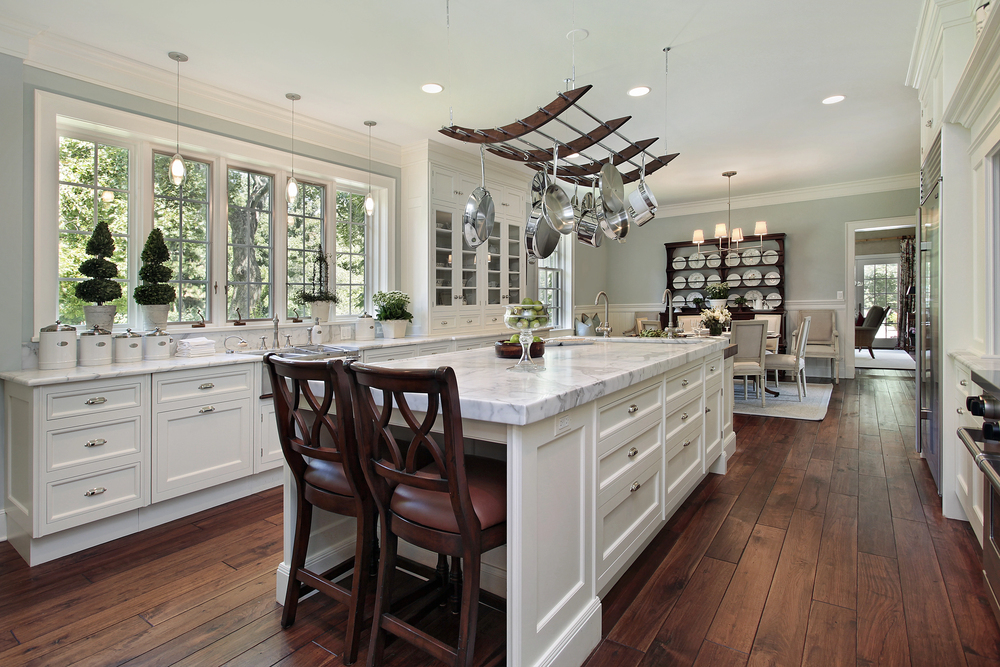
Home improvements are valuable investments that can enhance your home’s comfort and appeal — from kitchen renovations and bathroom upgrades to energy-efficient windows. Yet beneath the excitement lies a less-discussed reality: hidden costs.
Unexpected expenses—from structural issues to labor overruns—can derail budgets and cause stress if not carefully managed. Knowing where these costs come from and how to prepare for them is the key to keeping a project financially viable and rewarding.
Sometimes, surprises are revealed only once work begins. A simple countertop replacement could expose plumbing issues, or knocking down a wall might uncover outdated wiring. While common, these setbacks can be anticipated with careful planning, a clear financial strategy and an understanding of risk factors.
Financing Home Renovations Wisely
Managing the money side of renovations starts with choosing the right funding for you. Many homeowners rely on loans or mortgage extensions when savings fall short. Before committing, it’s important to weigh interest rates, repayment terms and the impact on long-term finances.
For major projects that directly boost property value, you may want to apply for a home equity loan since this type of loan often carries lower interest rates than personal loans. Still, this option should only be used after assessing your repayment capacity and confirming that the renovation will truly add equity.
Accurate estimates are also critical. For the best results, request detailed, itemized quotes from contractors—not just ballpark numbers—and compare multiple offers to find the best rates. With a solid financial plan in place, borrowing can be managed responsibly without leading to overwhelming debt.
Overlooked Costs to Factor In
Permits and Inspections
Local permits are required for most structural, electrical and plumbing changes. Fees vary, but skipping this step can result in fines, delays or forced removal of work. Inspections, often needed at multiple stages, add to the total but ensure safety and legal compliance.
Structural and Utility Surprises
Hidden problems like water damage, termites or outdated wiring often surface mid-renovation, especially in older homes. Repairs such as fixing foundation cracks, undertaking underpinning and foundation repair to stabilize shifting structures, or replacing pipes can quickly inflate costs. A professional pre-renovation inspection may feel like an extra step, but it can uncover issues early and prevent expensive emergencies later.
Material Costs and Supply Chain Delays
Prices for lumber, tiles, and fixtures can fluctuate due to market conditions and supply chain disruptions. To avoid overpaying, compare suppliers, track market trends and consider purchasing materials in advance when prices are stable.

Labor Overruns
Delays are among the biggest budget busters. Poor scheduling or unforeseen complications often extend timelines, and since many contractors charge daily or hourly, extra time means extra money. Hiring reputable contractors, setting clear expectations, and outlining penalties for delays in contracts can help keep costs in check.
Design Changes and Scope Creep
Mid-project changes—like upgrading finishes or expanding layouts—are tempting but costly. Making a clear plan for your design—and sticking to it—helps stop the project from growing bigger than you expected and keeps costs in check.
Temporary Living Arrangements
Big renovations can make parts of your home hard to use while parts of it are under construction. Between eating out more often, paying for storage or even renting a place to stay, the extra costs can add up fast. Planning a little cushion in your budget for these disruptions can make the process a lot less stressful.
Long-Term Savings Through Energy Efficiency
Not all extra costs are bad. Investing in energy-efficient upgrades, such as new insulation, windows, or appliances, may increase upfront spending but will lower utility bills over time. Consulting with energy specialists during your project will help you to identify which
Final Takeaway
Renovating a home is as much a financial journey as it is an aesthetic one. Hidden costs—from permits to structural repairs—are almost inevitable, but they don’t have to derail your plans. With thorough preparation, realistic budgeting, and a disciplined approach to decision-making, homeowners can manage expenses effectively and still achieve the dream of a more beautiful, valuable, and comfortable home.
Discover more from momhomeguide.com
Subscribe to get the latest posts sent to your email.
[…] to call it a day, give yourself a bit more time to focus on the details. They won’t take long or cost too much and they really do bring the whole picture […]