


Women in their 40s are experiencing specific, hormonally driven body changes, such as disrupted sleep, mood shifts, skin and hair texture changes, vaginal dryness, and increased UTI frequency, that are routinely dismissed as busyness, aging, or bad luck when they are actually recognizable perimenopause health changes worth addressing directly.
These five symptoms share a common driver: fluctuating and declining estrogen and progesterone levels that affect tissue, brain chemistry, and the microbiome simultaneously. Health changes in women’s 40s rarely announce themselves loudly. They arrive gradually, get absorbed into an already packed schedule, and by the time a pattern is clear, most women have been quietly managing it for months.
This is the predictable result of a decade where careers, children, aging parents, and household demands leave almost no space for self-attention. But these health symptoms women shouldn’t ignore are not inevitable. Several have effective, non-prescription solutions that most women have never been told exist.
1. Vaginal Dryness and Discomfort
Vaginal dryness is among the most common and most undertreated symptoms of perimenopause. It affects approximately 50 percent of postmenopausal women through a condition called genitourinary syndrome of menopause. Yet fewer than a quarter of those affected seek medical help because the symptom feels embarrassing to raise or inevitable to endure.
That gap is significant because vaginal dryness 40s treatment options have expanded considerably in recent years.
As estrogen declines during perimenopause, vaginal tissues thin, natural lubrication decreases, and pH levels rise. These shifts make tissues more fragile, highly prone to irritation, and increasingly uncomfortable during everyday movement and intimacy. Genitourinary syndrome of menopause affects physical comfort in daily life, and its progression tends to worsen without targeted support.
Most women are unaware that topical options are now available without a prescription to work with the body’s own tissue revitalization process rather than introduce synthetic hormones.
Among the non-hormonal approaches worth knowing is NeuEve’s natural GMO-free vaginal dryness treatment, which features food-grade, hormone-free ingredients designed to support vaginal tissue moisture. It offers age-specific formulas and a personalized quiz that removes the guesswork from product selection.
Women navigating cancer recovery, hormone sensitivities, or persistent discomfort should discuss these options with a healthcare provider to secure the most viable approach.
| Key Insight: Vaginal dryness affects 50% of postmenopausal women, yet fewer than 25% seek treatment. This symptom is not inevitable; non-hormonal, over-the-counter options exist that many women have never been told about. |
2. Recurrent UTIs and Biological Shifts
Women who reach their 40s having rarely experienced urinary tract infections often find themselves dealing with them repeatedly. They almost universally attribute the pattern to coincidence, hydration levels, or hygiene habits.
However, a recurrent UTI in 40s women has a specific physiological explanation tied to the same hormonal shifts driving vaginal tissue changes.
Estrogen plays a critical role in maintaining the Lactobacillus populations that protect the vaginal and urethral environment from harmful bacteria. As estrogen declines, this protective microbiome diminishes, vaginal pH rises, and urethral tissues significantly thin out, which creates conditions where bacterial colonization is markedly easier.
Medical literature consistently links estrogen deficiency in perimenopausal women to an increased UTI risk, with E. coli accounting for roughly 85 percent of cases.
D-mannose is a naturally occurring sugar that directly targets the adhesion step, making E. coli recurrence possible. Rather than treating an active infection, it interferes with the mechanism by which bacteria bind to the urinary tract wall.
For women looking to incorporate this mechanism into a daily routine, nixit’s gluten-free D-mannose supplement offers a straightforward option with a body-safe formulation designed around this precise bacterial adhesion pathway. Since D-mannose does not cure an active infection, individuals experiencing current symptoms like burning or pelvic pain must consult a doctor before starting a preventive protocol.
| Important: D-mannose is a preventive supplement that interferes with bacterial adhesion, not a treatment for active UTIs. If you experience burning, urgency, or pelvic pain, consult a healthcare provider for antibiotics first. |
3. Sleep Disruption and Nocturnal Awakenings
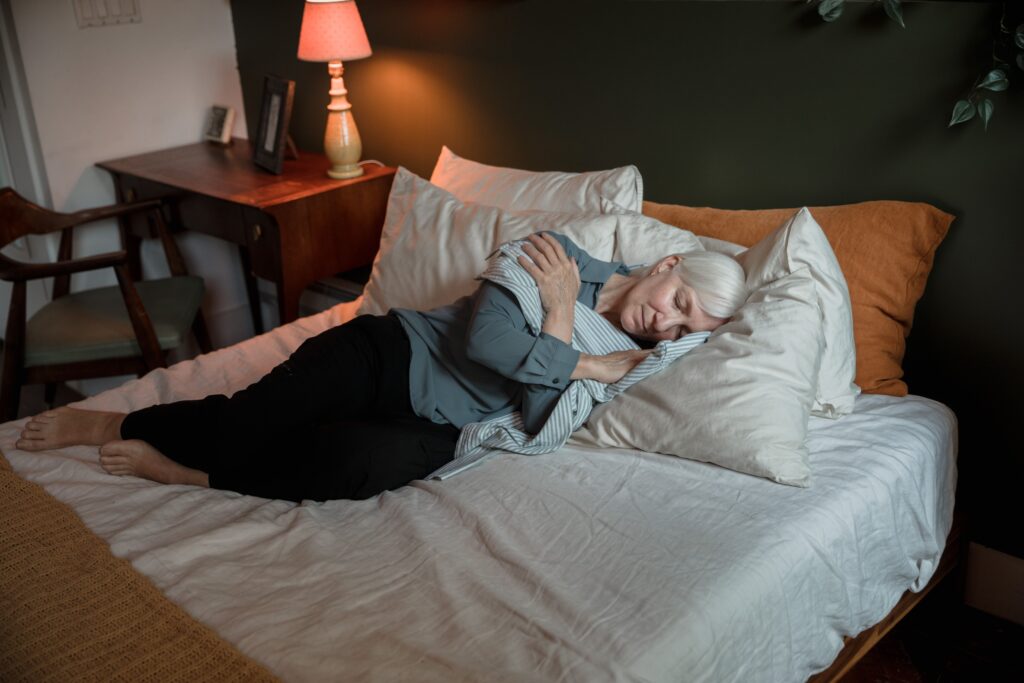
Many women notice a specific pattern of waking between two and four in the morning with no obvious cause and lying awake for an hour or more. Night sweats that fall short of fully drenching the sheets still interrupt sleep cycles, causing daytime fatigue that extra coffee cannot resolve.
This pattern does not improve by simply going to bed earlier, separating it from the ordinary tiredness driven by a full schedule. Recent clinical data shows that frequent awakenings are highly common during this transition period.
Progesterone begins declining in perimenopause before estrogen does, which removes a hormone that normally supports sleep regulation and GABA receptor activity. Simultaneously, estrogen fluctuations trigger thermoregulatory instability that produces night sweats and temperature dysregulation directly during rest.
According to national health data, 56 percent of perimenopausal women sleep less than seven hours on average, making them significantly more likely to experience short sleep than both postmenopausal and premenopausal women in the same 40 to 59 age bracket.
If this pattern happens across multiple nights per week rather than occasionally, it warrants a direct conversation with a healthcare provider. Adjusting sleep timing, reducing alcohol intake, and keeping the bedroom below 67 degrees are practical initial steps. Keep in mind that these environmental changes address physical comfort rather than fixing the underlying hormonal mechanism.
| Pro Tip: Keep your bedroom below 67°F and skip evening alcohol to ease night sweats. But if you’re consistently waking between 2-4 a.m., consult your doctor about perimenopausal sleep disruption; this is a hormonal pattern, not just poor sleep hygiene. |
4. Mood Shifts and Cognitive Changes
This shift involves irritability that feels disproportionate to its trigger, difficulty sustaining concentration mid-task, and a foggy quality to everyday thinking. This is one of the perimenopause health changes most likely to be attributed entirely to external household or workplace stress.
Treating it as a mere reaction to a busy life makes it easy to carry these cognitive symptoms for years without connecting them to a biological cause.
Estrogen directly influences serotonin receptor density and dopamine turnover inside the brain. Women’s health perimenopause research across multiple clinical studies confirms that as those hormone levels fluctuate and decline, mood regulation and cognitive processing take a measurable hit. This is a neurochemical phenomenon rather than a sudden inability to handle normal daily pressures.
Stress and hormonal change produce nearly identical symptoms from the inside, which explains why the two are constantly conflated.
Persistent mood changes like worsening anxiety or a low emotional state lasting more than two weeks should be discussed with a doctor immediately. Naming the hormonal component accurately is the critical first step toward securing an appropriate medical response.
Understanding this biological driver prevents women from simply lowering their expectations for daily mental clarity.
5. Skin and Hair Texture Differences
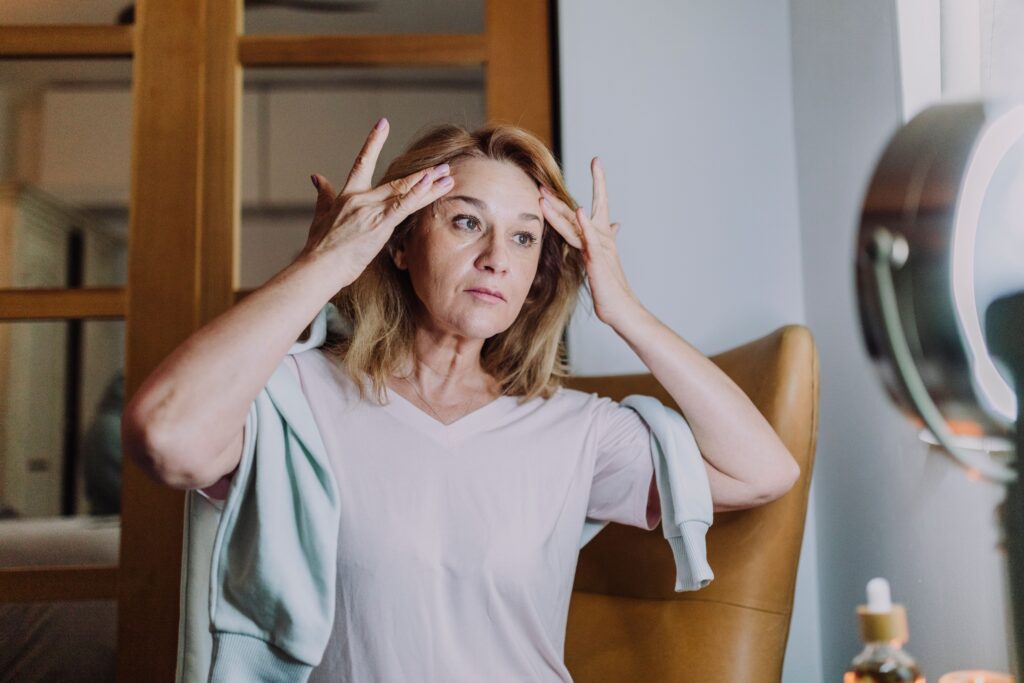
Skin can rapidly become noticeably drier or thinner, bringing fine lines that deepen faster than previously expected. Hair might shed in larger quantities during routine washing or change in texture entirely compared to its historical baseline.
While these are among the most visible perimenopause health changes, they are heavily treated as cosmetic concerns rather than dermatological expressions of systemic hormonal fluctuation.
Collagen synthesis is partly estrogen-dependent, meaning skin loses approximately 30 percent of its collagen in the first five years after estrogen decline officially begins. This rapid reduction decreases foundational structural support and significantly slows the body’s natural repair capacity.
Hair follicles are similarly sensitive to hormonal variation, and clinical tracking shows that hair loss or thinning affects roughly 40 percent of women by age 50.
The practical takeaway is not to abandon skincare or stop treating hair concerns entirely, as specific products targeting collagen support do provide measurable external benefit. However, if these dermatological changes feel sudden or rapidly accelerate, they need to be documented at a routine physical checkup.
Ensuring the hormonal component is part of the overall diagnostic picture prevents these shifts from being treated strictly in isolation.
The Path Forward for Physical Wellness
Women in their 40s are often exceptional health advocates for everyone around them, actively researching symptoms for children or fighting for second opinions on behalf of aging parents.
The five systemic body changes covered here deserve that same standard of medical attention directed inward. Every symptom explored ties back to the same predictable hormonal shift, and addressing them head-on yields significantly better daily outcomes than ignoring them.
Two of these particular changes are among the most undertreated concerns in women’s health, yet they both feature non-prescription, non-hormonal support options today. Utilizing a specialized topical barrier for vaginal tissue moisture or a targeted D-mannose supplement for bacterial adhesion prevention offers practical relief without aggressive synthetic interventions.
Recognizing these biological transitions as normal does not mean they are untreatable or unworthy of a formal medical consultation. If any of these five specific symptomatic patterns disrupt daily function, they warrant immediate discussion with a doctor or specialist.