

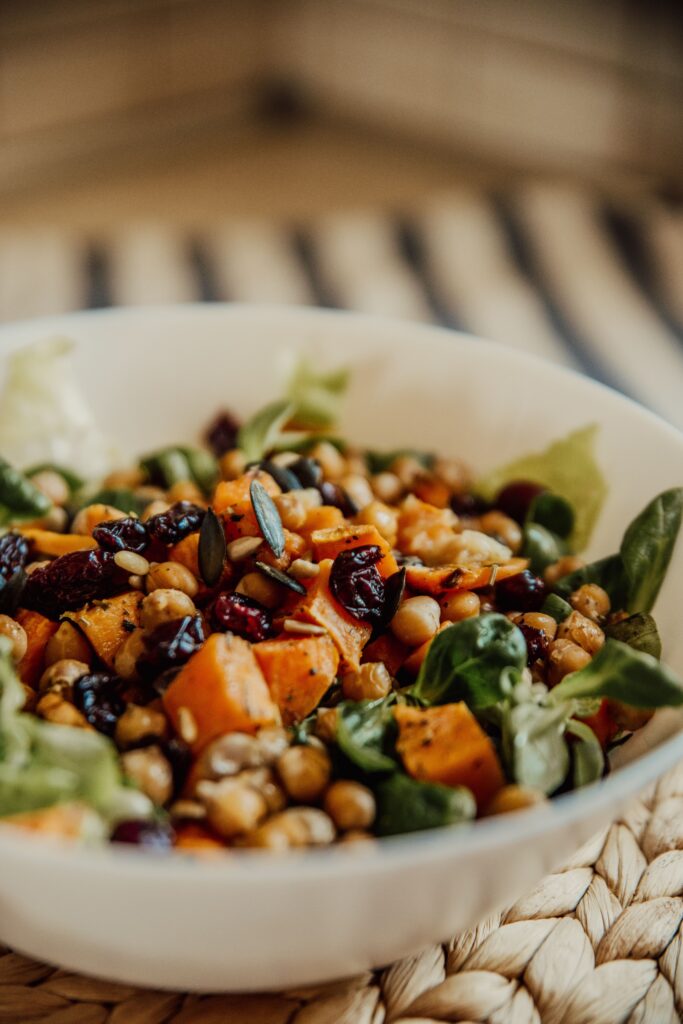
Constipation ranks as one of the more common side effects people report after starting tirzepatide. Your digestive system slows down, partly because the medication delays gastric emptying, and that shift can leave you uncomfortable for weeks.
Here’s the thing: Your diet can really help here. Certain foods add bulk, draw water into the colon, and give your gut the fiber it needs to keep things moving. If you’re wondering what foods usually help with Mounjaro constipation, these five categories are where most people see the clearest difference.
High-Fiber Vegetables
Vegetables are the foundation of any constipation plan on Mounjaro. The reason comes down to insoluble fiber, which adds physical bulk to stool and speeds transit through the colon. Before you add a lot of raw vegetables at once, review the Mounjaro Constipation checklist to check whether your symptoms fall into the normal range or need a doctor’s attention.
Broccoli, Brussels sprouts, carrots, and leafy greens like spinach and kale are among the best options. A single cup of cooked broccoli delivers roughly 5 grams of fiber, and that adds up fast across a day’s meals. But here’s the catch: Mounjaro already slows how quickly food leaves your stomach. So you’ll want to introduce more vegetables gradually, not all at once, or you may end up with bloating on top of constipation. Roasting or steaming vegetables can make them gentler on your digestive system than eating them raw.
Prunes and Other High-Fiber Fruits
Fruits deserve a section of their own because some work through two separate mechanisms at the same time. Prunes are the clearest example, they contain both soluble fiber and sorbitol, a naturally occurring sugar alcohol that draws water into the large intestine. A serving of four to six prunes can produce a noticeable effect within 24 hours for most people.
Pears, apples, and figs are also strong choices. Pears and apples pack pectin, a type of soluble fiber that forms a gel in your gut and softens stool; eat them with the skin on, since that’s where much of the insoluble fiber lives. And then there’s kiwi fruit. A 2022 study published in the American Journal of Gastroenterology found that eating two kiwis daily improved stool frequency and consistency in adults with constipation, which makes it relevant for Mounjaro users dealing with the same problem. Keep portions reasonable; too much fructose at once can cause cramping.
Whole Grains and Oats
Refined carbohydrates like white bread and white rice offer very little fiber, so they’re not much help when constipation is the problem. Whole grains do the opposite. Oats are particularly useful because they contain beta-glucan, a soluble fiber that absorbs water and creates a thick, gel-like consistency in the intestine. That slows digestion in a useful way, softening whatever’s already in transit.
Steel-cut oats contain more fiber per serving than rolled oats, though both work well. Brown rice, whole wheat bread, quinoa, and barley are other grains worth prioritizing. A single cup of cooked barley delivers about 6 grams of fiber, which is a meaningful chunk of the 25 to 38 grams most adults need daily according to the Academy of Nutrition and Dietetics. But here’s the detail most people miss: Pair your grains with plenty of water. Fiber pulls liquid from your system, and without enough hydration, adding fiber can actually make constipation worse.
Legumes and Beans

Beans and legumes are among the most fiber-dense foods you can add to your meals, and they work especially well for people on Mounjaro because they’re also high in protein. Since the medication tends to reduce appetite, getting enough protein while hitting your fiber goals at the same time is a practical win. Black beans, lentils, chickpeas, and navy beans all sit between 6 and 9 grams of fiber per half-cup serving.
Lentils are also quick to cook compared to most dried beans, which makes them easier to include on a regular basis. If canned beans cause gas or bloating, rinse them well before use to remove some of the oligosaccharides that ferment in the gut. You might also start with smaller portions, around a quarter cup per meal, and build from there. The fiber in legumes is split between soluble and insoluble types, so you get a bulk-adding effect and a stool-softening effect simultaneously. That combination is why they show up consistently in high-fiber diets for digestive health.
Hydrating Foods and Clear Soups
Fiber doesn’t work without water. But drinking enough fluid is harder on Mounjaro because the medication suppresses thirst along with hunger. That makes water-rich foods a practical strategy; you absorb fluid through what you eat as well as what you drink. Cucumbers, celery, watermelon, and zucchini are all above 90% water by weight. Eating them regularly adds to your total fluid intake without requiring you to force down extra glasses of water.
Broth-based soups serve a similar purpose. A warm bowl of vegetable or chicken broth before a meal contributes meaningful hydration and can also ease bloating. Aim for at least 8 cups of total fluid daily, counting both beverages and water-rich foods; if your urine is dark yellow, you’re likely not hydrated enough for fiber to work well. Pale yellow is the target. This matters more on Mounjaro than off it, simply because your gut’s already moving slower and needs every bit of help it can get.
Conclusion
Constipation on Mounjaro is real, but it responds well to targeted dietary changes. High-fiber vegetables, fruits like prunes and kiwi, whole grains, legumes, and hydrating foods each address the problem from a slightly different angle. Start with gradual changes, track what helps, and check in with your doctor if symptoms don’t improve after a couple of weeks. The foods that usually help with Mounjaro constipation come down to consistent fiber intake paired with enough fluid to keep things moving.