


Most families spend a lot of time inside the house, especially during the winter months. That’s why having a healthy indoor environment is so important for you and your loved ones.
Dust, allergens, moisture, and even chemical fumes can build up in your home’s air without you noticing. Thankfully, a few simple changes can make a big difference and help everyone breathe easier.
Make Sure Your Home Is Well Ventilated
Especially during winter, homes often stay closed up to keep in heat, but this can trap stale air, moisture, and pollutants inside. Even in summer, not all rooms receive proper ventilation, which can affect indoor air quality and home health.
Proper ventilation is essential to let fresh air in, move particles and debris out of your home, and prevent health issues such as allergies and skin irritation. Try these simple strategies:
- Open windows for a few minutes each day, even in cold weather
- Run kitchen and bathroom exhaust fans to remove steam and odours
- Use air vents or mechanical ventilation systems in airtight homes
- Keep interior doors open to allow for better airflow between rooms
Ensuring ventilation is particularly important after activities like painting, cooking, or heating your home with kerosene heaters. Remember that turning on your air conditioner is not a valid replacement for opening the windows! These systems do not force fresh air in and might not be as efficient in improving indoor air quality.
Maintain Your HVAC System Regularly
Your heating and cooling system, if equipped with HEPA filtration, plays a big role in air quality. Keep up with maintenance by changing filters every one to three months (or as recommended) and scheduling professional maintenance at least once a year. A clean system works more efficiently and is less likely to spread dust, pollen, or mold spores around your home.
Control Moisture and Prevent Mold
Excess moisture is a common cause of indoor air problems. Mold and mildew thrive in damp basements, bathrooms, or around leaks in roofs and windows. Over time, these can affect indoor air quality and lead to health issues like allergies and skin irritation.
To keep your home healthy, fix drippy taps and pipes, and use a dehumidifier if your basement or bathroom always feels damp. Keep an eye out for condensation on windows or a musty smell: both are signs it’s time to act!
Clean and Dust Regularly
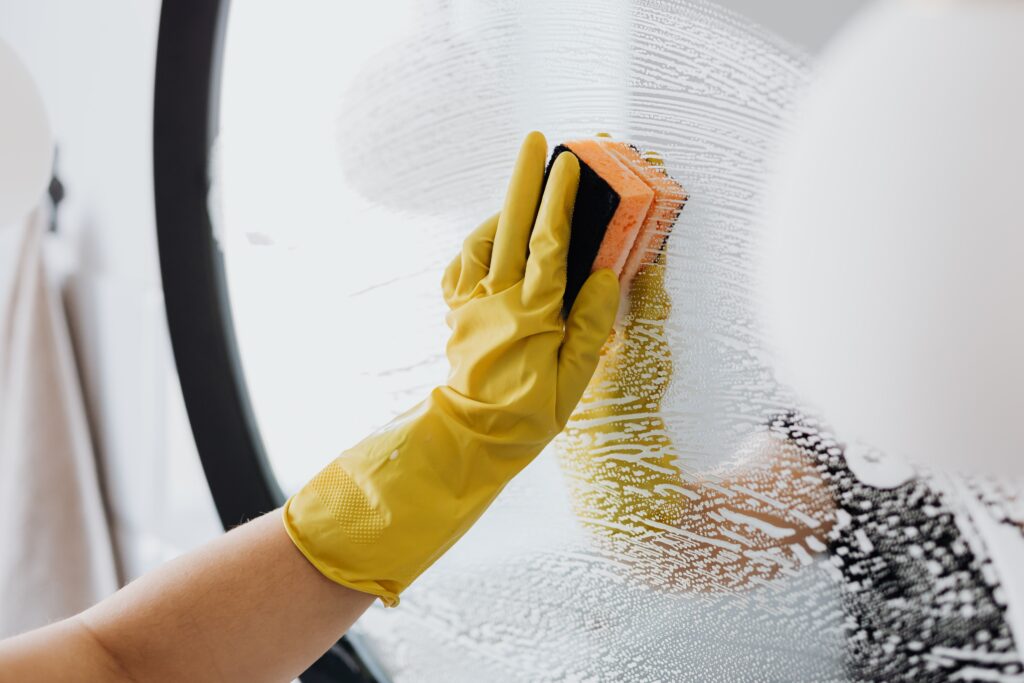
Routine cleaning helps remove allergens and irritants. Dust surfaces, vacuum carpets with a HEPA filter, and wash bedding weekly in hot water. Consider using natural or low-VOC cleaning products to limit the amount of chemical residue in your home.
Best practices matter, too! Take on the habit of removing your shoes at the door to prevent tracking in outdoor dust and pesticides.
Consider Indoor Air Quality Testing
Sometimes, you can’t see or smell all the particles in the air that might cause problems. That’s where indoor air quality testing comes in. Professionals can test for pollutants, allergens, carbon monoxide, and hidden mold. This is particularly important if there are children, pets, and people with allergies in your household. With clear results, you’ll know exactly what needs attention, from fixing a gas leak to adding more ventilation.
A Healthier Home Starts with Small Steps
Improving the air in your home doesn’t have to be overwhelming. Focus on better ventilation, regular cleaning, controlling moisture, and keeping filters clean. If you have concerns or want a clearer picture of your air quality, testing is a smart step.
For more tips on family wellness and safe home living, see our latest guides to easy home improvements and natural cleaning solutions. Everyone deserves to breathe easier at home.