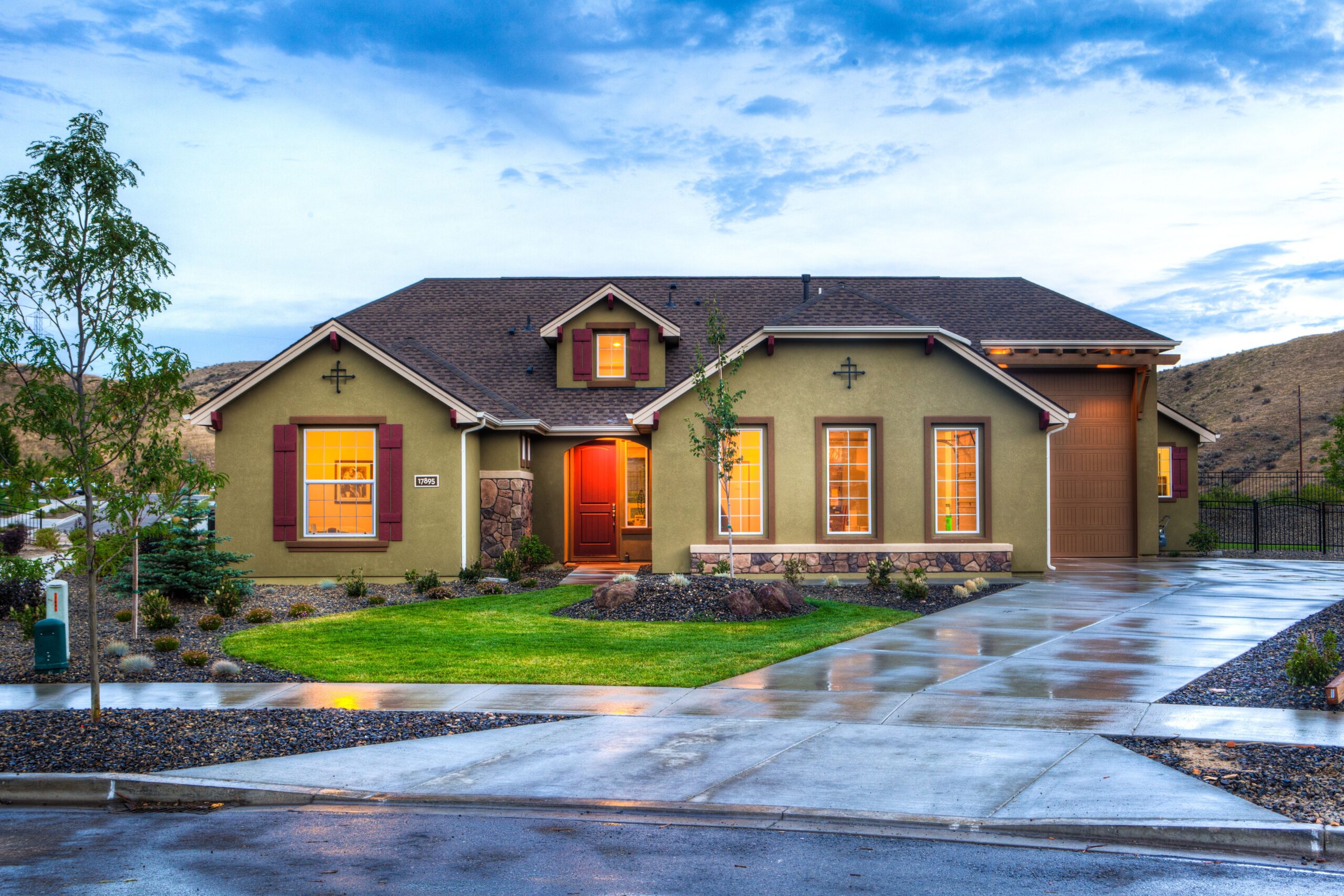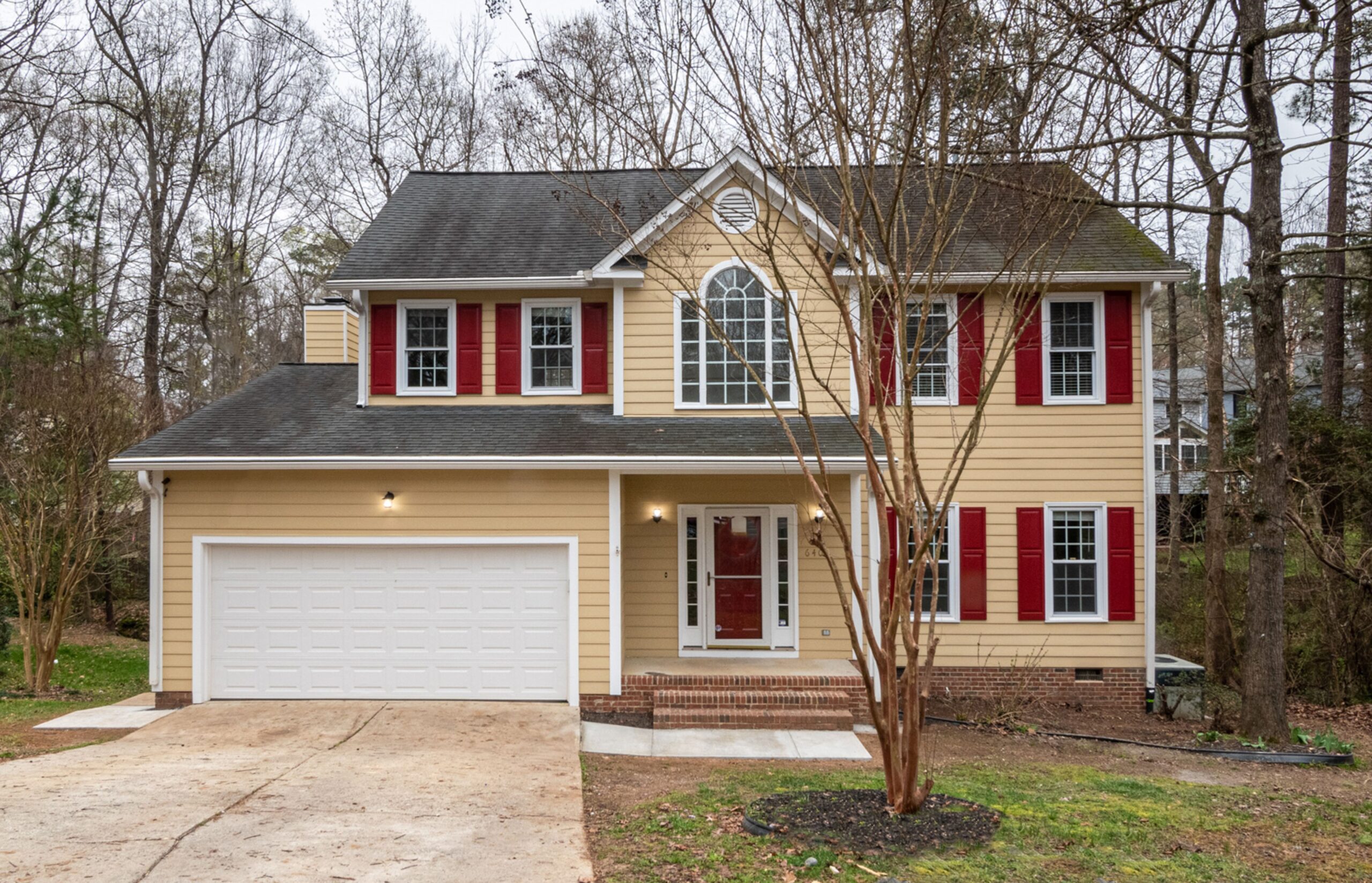
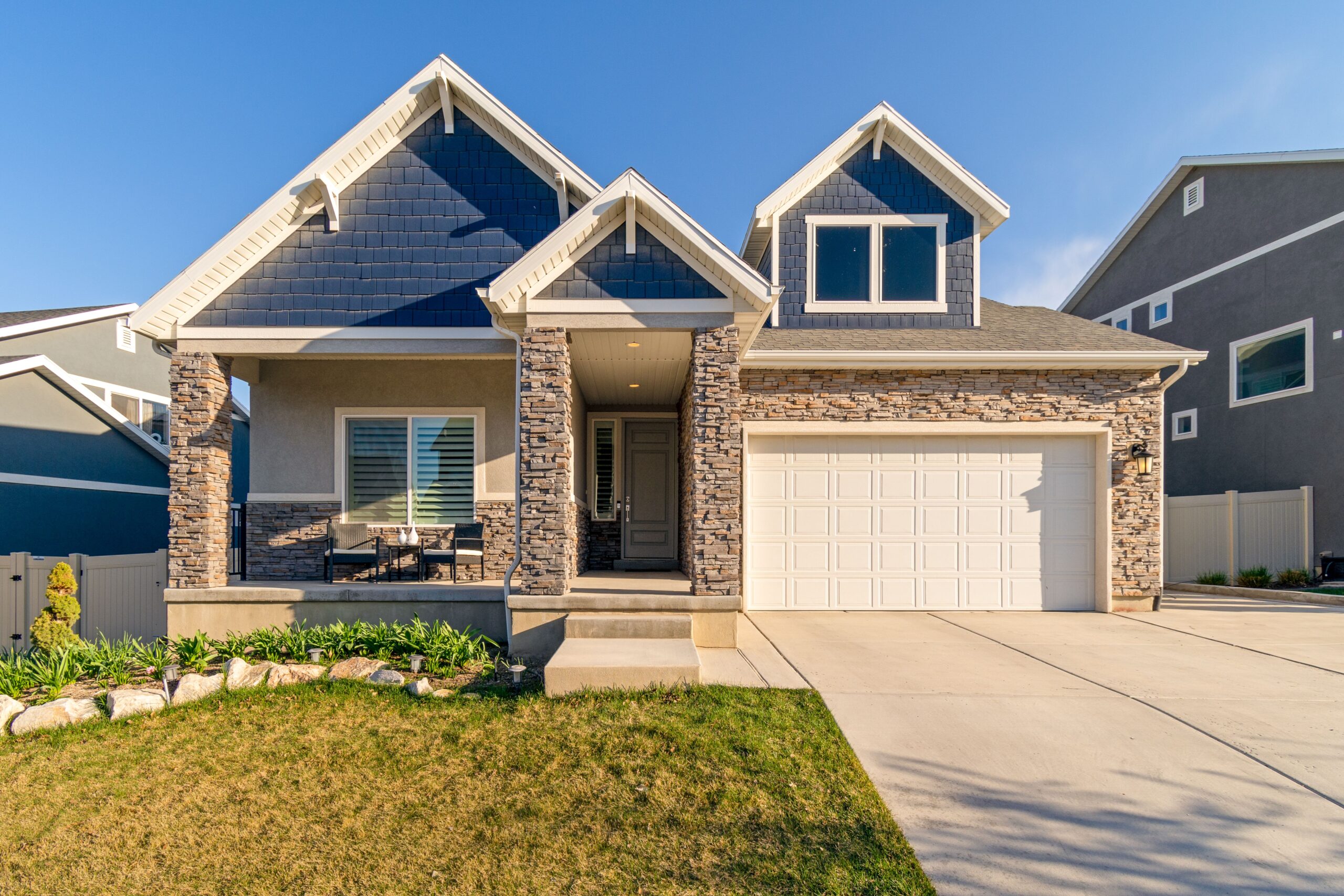
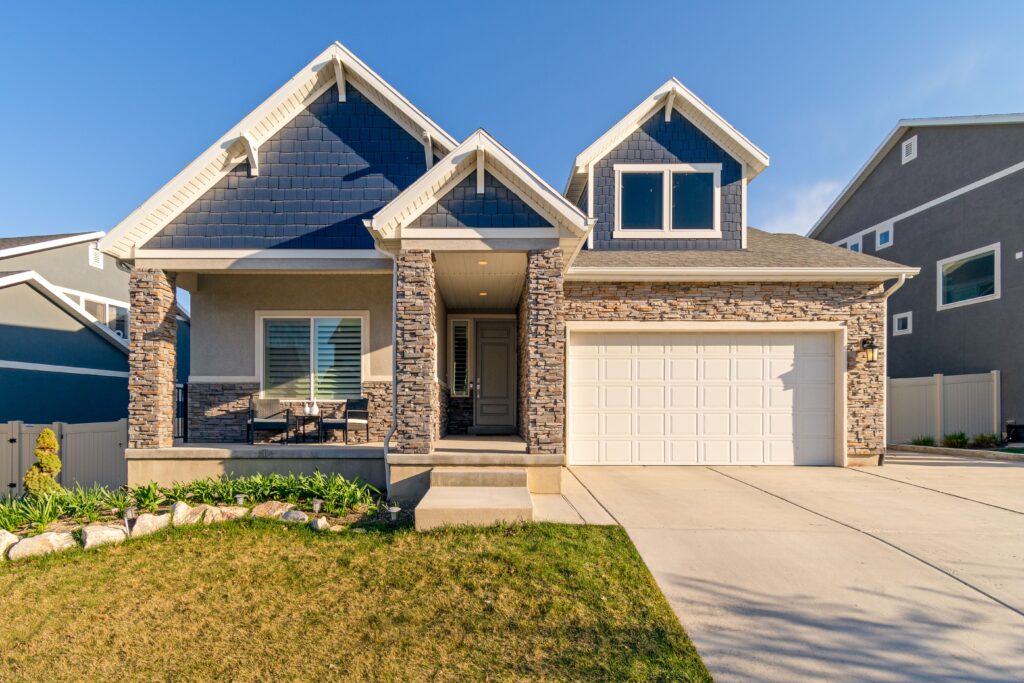
A house may be wrapped in the same siding material, installed at the same time, yet its four exterior walls rarely live under identical conditions.
One wall may receive long hours of direct sunlight. Another may spend much of the day in shade. A side yard can stay damp longer because of dense planting, while the front elevation may dry quickly after rain. One lower wall may sit beside a paved driveway, while another borders a garden bed.
Those differences matter.
Homeowners often judge siding by standing at the curb and looking at the house as one object. A more useful inspection treats each elevation as its own small environment.
The siding may be the same, but the conditions acting on it are not.
Sunlight Creates Different Conditions on Different Walls
The orientation of a house affects how sunlight reaches the exterior throughout the day.
Some elevations receive stronger or longer periods of direct sun. Others remain shaded by the building itself, nearby trees, neighboring structures, or roof overhangs.
Over time, those differences can affect appearance.
Color may weather differently from one side to another. Sealants, coatings, trim, and other exposed materials can also experience different levels of sun depending on their location.
This is why comparing two areas of the same siding can be useful.
Instead of asking whether the entire exterior “looks faded,” compare the same material on opposite sides of the house. The difference can reveal how much exposure varies across the property.
Shade Changes Drying Conditions
Shade is often treated as a benefit because it reduces direct sun exposure.
It can also change how quickly exterior surfaces dry.
A wall shaded by trees or another building may remain damp longer after rainfall than an open wall exposed to sun and airflow.
That does not automatically mean the shaded wall has a problem.
It means the wall experiences moisture differently.
Look for locations where shade combines with limited airflow, dense vegetation, or frequent splash from irrigation.
Those areas may deserve closer observation even if the rest of the siding looks unchanged.
Roof Overhangs Create Small Sheltered Zones
A roof overhang does more than create a shadow.
It can partially shelter the upper portion of a wall from direct rainfall and sun.
The amount of protection varies with roof shape, wind direction, wall height, and the depth of the overhang.
This can create noticeable differences on a single elevation.
The upper wall may remain relatively protected while the lower section receives more splash, weather, and contact with landscaping.
A visual inspection should therefore move from top to bottom instead of assuming one wall condition applies evenly across its full height.
Landscaping Can Create Its Own Wall Microclimate
Shrubs, vines, trees, and planting beds change the environment immediately beside a house.
Dense plants can reduce airflow near siding. Irrigation may repeatedly wet one area. Branches can rub against the exterior during wind, while overgrown shrubs may make inspection difficult.
The goal is not to keep every plant far from the house.
It is to notice how the landscape affects access, airflow, and repeated contact with the wall.
A beautifully planted side yard can still create a maintenance blind spot if siding disappears behind thick vegetation for years at a time.
Leave enough visibility to check the wall periodically.
Hardscape Creates Different Conditions at the Bottom of the Wall
Compare a wall beside a lawn with one beside a driveway or concrete walkway.
The lower siding can experience very different conditions.
Paved surfaces may create splash during heavy rain or washing. Gravel, soil, mulch, and planted beds each interact differently with the bottom of the wall.
Changes in grade also matter.
If landscaping or hardscape has been altered since the house was built, check whether the relationship between the ground and siding changed with it.
The bottom several feet of a wall often tell a different story from the upper portion.
Exhaust Outlets Create Highly Local Conditions
Some exterior conditions occur in areas only a few feet wide.
Dryer vents, bathroom exhaust outlets, kitchen exhausts, and mechanical equipment can create localized changes around the wall.
These areas may see different airflow, heat, moisture, or debris than siding only a short distance away.
That is why broad exterior observations should be followed by closer checks around penetrations.
A wall can look perfectly uniform from twenty feet away while small sections around vents or equipment deserve separate attention.
Inspect Each Elevation as Its Own Exterior Zone
A useful siding inspection starts by naming the walls.
Instead of recording “siding condition: good,” describe what is happening on the front, rear, left, and right elevations.
A Professional siding contractor in Kansas can assess those walls according to their individual exposure, transitions, penetrations, trim, and visible condition rather than assuming siding of the same age has weathered uniformly across the house.
This wall-by-wall approach also makes future comparisons easier.
If a concern develops later, homeowners can identify the exact elevation and location instead of relying on a general memory that “something looked different somewhere outside.”
Corners Deserve More Attention Than Flat Wall Areas
Corners connect two elevations with different exposure.
One side may be sunny while the other is shaded. One may face prevailing weather more directly, while the adjacent side stays comparatively sheltered.
That makes corners useful comparison points.
Look at the siding, trim, and sealant details on both sides.
If one elevation consistently appears different, the corner can help show where that change begins.
Corners also tend to attract attention during exterior work because several materials or trim pieces may meet in a relatively small area.
Windows and Doors Create Their Own Transition Zones
A broad section of uninterrupted siding behaves differently from siding around openings.
Windows and doors introduce trim, flashing details, joints, and transitions.
These areas should be inspected individually rather than blended into the overall wall assessment.
Look at the top, sides, and lower edges of openings.
The surrounding siding may show signs of staining, movement, impact, or earlier repair that are not present in open wall areas.
Repeated issues around one opening can be more informative than the overall age of the siding.
Compare Similar Features on Opposite Sides of the House
One of the simplest inspection techniques is comparison.
If the house has similar windows on two elevations, compare the siding and trim around them.
If two walls have similar lower sections, look at how each meets the surrounding ground.
Comparisons help separate material-wide conditions from location-specific ones.
If every wall shows a similar change, age or material characteristics may be part of the explanation.
If only one small area looks different, local exposure becomes more relevant.
The house itself provides several useful control points.
Wind Exposure Can Change From One Elevation to Another
Buildings interrupt airflow.
One wall may be directly exposed while another sits in a sheltered pocket.
Corners can experience different conditions from the middle of a facade, and nearby fences or buildings can alter how wind moves around the property.
This can affect how rain reaches walls and how quickly surfaces dry.
Homeowners do not need to perform a technical wind study to notice these patterns.
After storms, simply observe which walls stay wet longer and which dry first.
Repeated observations can reveal more than one inspection on a calm, dry day.
Maintenance Records Should Identify the Exact Wall
If siding is cleaned, repaired, sealed, or otherwise serviced, record the location.
“Rear wall near patio door” is far more useful than “siding repair.”
Photographs make the record even stronger.
Take one wide image to show the location and one closer image to show the detail.
Over time, these records create a map of which parts of the exterior have required the most attention.
That can help future inspections focus on recurring areas without assuming the entire house needs the same response.
Do Not Let One Problem Define the Whole Exterior
A damaged panel or problem area on one wall does not automatically mean every elevation is in the same condition.
Likewise, one clean, sheltered facade does not prove that the rest of the exterior is equally well protected.
This is why siding decisions should be based on inspection rather than general impression.
A localized concern may need a localized solution.
A broader pattern may point toward a larger maintenance or replacement question.
The scope should follow the actual condition.
Walk Around the House After Different Weather
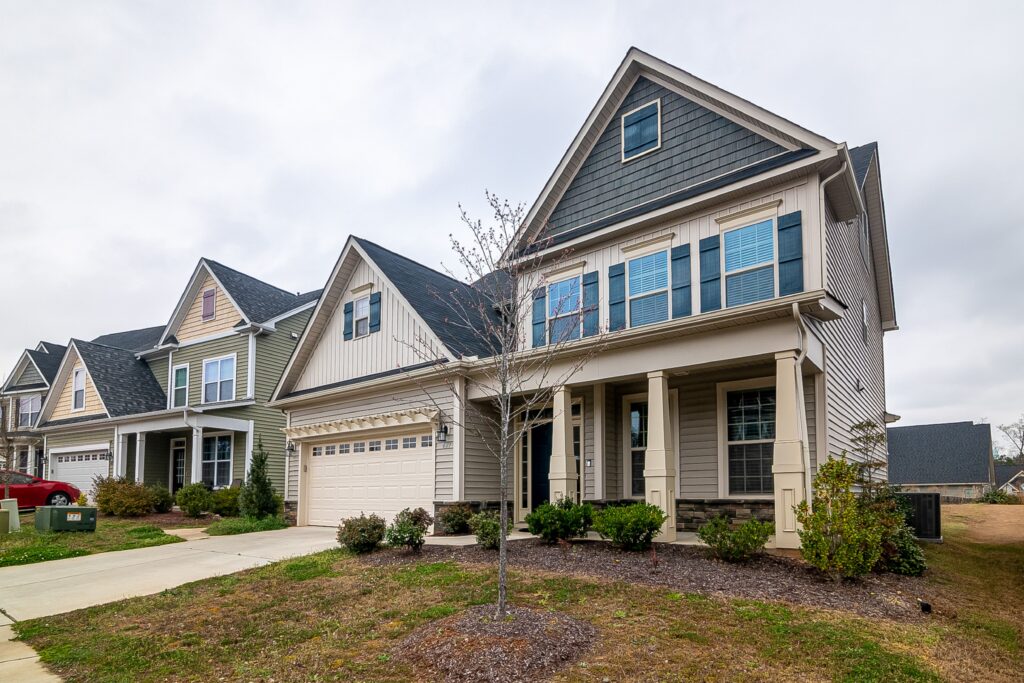
Exterior walls are easiest to understand when observed more than once.
Look at them after rain.
Check again after several dry days.
Notice which sections remain shaded, where water splashes, and whether landscaping is touching the wall.
Seasonal changes can reveal different conditions too.
A tree that leaves one elevation open during winter may create deep shade during summer. Irrigation may operate only during part of the year.
A wall’s environment is not static.
Repeated observation provides a more accurate picture than a single inspection under ideal conditions.
One House Can Contain Several Exterior Environments
Siding wraps around one building, but that does not make every wall identical.
Sun, shade, roof overhangs, planting, hardscape, vents, wind, and neighboring structures all create small environmental differences.
Those differences help explain why one elevation can weather differently from another even when both were built with the same material at the same time.
The practical lesson is simple: stop inspecting the exterior as one continuous surface.
Walk each side separately. Compare similar features. Look closely at corners, openings, lower walls, and areas near equipment or vegetation. Record problems by exact location rather than by general description.
A house may have one address, but its siding lives in several different climates at once.