A roof should protect the home, handle rough weather, support indoor comfort, and look good from the curb without demanding constant attention. That is the idea behind the “forever roof” mindset.
No roof lasts forever, but some choices create far fewer problems over time. Instead of focusing only on the lowest installation price, homeowners should think about how a roof will perform through years of rain, wind, heat, snow, and seasonal wear. A strong roofing decision considers durability, maintenance, climate, structure, appearance, and long-term value.
The goal is not to chase the most expensive product or the newest trend. It is to choose a roofing system that gives the home dependable protection and reduces the likelihood of repeated repairs.
Why the Cheapest Roof Can Become the Most Expensive One
When roof replacement feels urgent, the lowest estimate can be appealing. Roofing is a major expense, and most households want to control the cost. Still, a low upfront price can lead to higher expenses if the roof wears out quickly, needs frequent patching, or performs poorly in local weather.
Leaks can damage insulation, drywall, attic spaces, flooring, and electrical components. Poor ventilation can shorten the life of the roofing system. Weak flashing can allow water to enter around chimneys, skylights, valleys, vents, and wall intersections.
Some low-cost proposals may also leave out important details about material quality, preparation work, warranty coverage, or installation standards. Those details may seem minor during the estimate stage, but they matter once the roof has gone through several seasons.
A better question is not simply, “What is the cheapest roof?” It is, “What will this roof cost over its full life?” That includes repairs, maintenance, energy performance, resale appeal, and the likelihood of another replacement sooner than expected.
What Makes Steel Roofing a Long-Term Choice
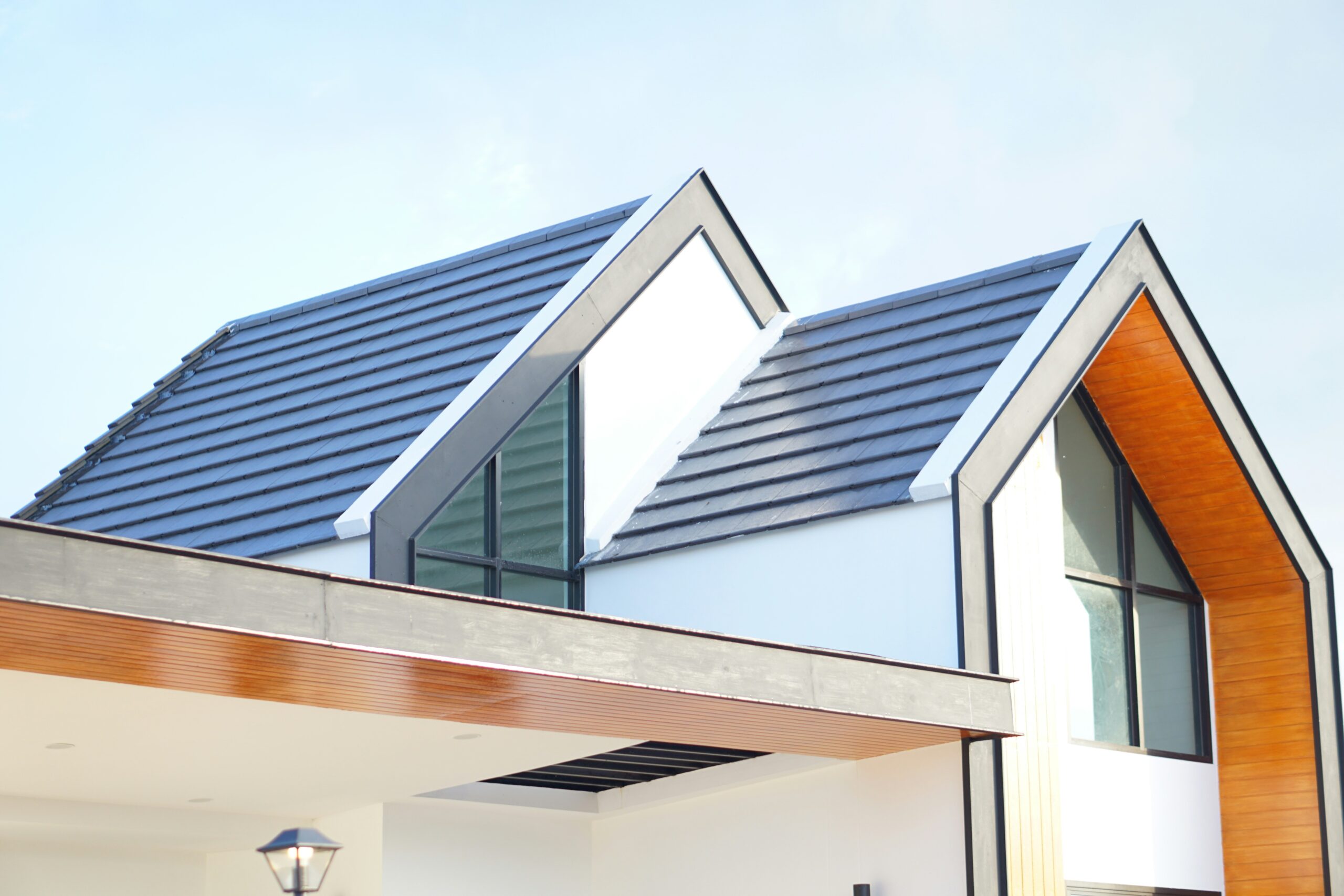
Steel roofing appeals to homeowners who want durability and lower maintenance. Compared with many traditional roofing materials, steel can offer strong resistance to wind, fire, moisture, impact, and seasonal temperature changes. It also avoids common problems such as cracking, curling, and premature surface wear when the system is properly installed.
For homeowners planning to stay in the same house for years, steel can be a practical long-term option. It can shed rain and snow efficiently when matched with the right roof design, and it comes in colors and profiles that suit a wide range of home styles.
Installation plays a major role in that performance. Homeowners considering metal as a long-term roofing option should work with a qualified steel roofing contractor who understands fastening systems, flashing, ventilation, panel alignment, and weather-specific installation details.
Installation Is the Detail Homeowners Should Not Overlook
A durable material still needs skilled installation. With steel roofing, the roof deck must be prepared correctly, the underlayment must suit the system, and the panels must be fastened according to manufacturer standards.
Flashing is one of the most important parts of the system. Water often finds weak points around chimneys, vents, skylights, dormers, valleys, and wall intersections. If flashing is poorly installed, leaks can occur even when the roofing material itself is strong.
Ventilation also affects long-term performance. A roof works with the attic, insulation, soffits, ridges, and air movement. Without proper ventilation, heat and moisture can build up under the roof deck, which may affect comfort, encourage condensation, and damage surrounding materials.
Local weather should guide installation choices as well. Heavy rain, strong wind, snow, ice, hail, humidity, and tree coverage can all influence the best panel type, seam style, fastener selection, and roof slope. A long-lasting roof depends on the right combination of material, design, and workmanship.
A Long-Term Roof Should Help the Home Feel Comfortable
Roofing affects more than the exterior. It can influence attic temperature, seasonal comfort, and energy use. Homeowners often think first about insulation and windows when improving comfort, but the roof also plays an important role.
Some roofing systems are designed to reflect more sunlight and absorb less heat. This may help during warmer months, depending on the climate, roof color, attic ventilation, insulation, and cooling system. Homeowners comparing options can review guidance on energy-efficient roof materials to better understand how roofing choices may affect home performance.
Steel roofing can also work well with ventilation improvements. When heat and moisture move out of the attic properly, the home may feel more balanced in hot weather and better protected from condensation during colder months.
Comfort should not be the only reason to choose a roof, but it should be part of the decision. A roof that supports better performance can make daily living easier, especially for families who plan to stay in the home long term.
The Roof Still Has to Look Right on the House
Durability matters, but appearance also counts. A roof covers a large part of the home’s visible exterior, so the wrong color, profile, or finish can make the house feel mismatched.
Steel roofing has become more design-friendly over the years. Homeowners can often choose from standing seam panels, ribbed panels, textured finishes, and colors that complement siding, brick, stone, trim, shutters, and gutters. Some styles feel modern and clean, while others suit farmhouse, craftsman, rustic, or traditional homes.
Before choosing a color, it helps to compare samples at different times of day. Sunlight, shade, landscaping, and nearby homes can change how a roof color appears. Homeowners should also consider how the finish may age after years of weather exposure.
A roof chosen for long-term value should still look intentional as the home’s exterior changes over time.
Know When Repair Is No Longer Enough
Many homeowners delay roof replacement because repairs feel simpler. In some cases, repair is the right choice. A small leak, damaged flashing, or limited storm damage may not require a full replacement. The challenge is knowing when repairs are only postponing a larger issue.
Warning signs include repeated leaks, widespread material wear, sagging areas, water stains, loose flashing, damaged underlayment, musty attic odors, and rising repair costs. If the same roof needs attention year after year, replacement may be the more practical option.
It also helps to understand the difference between roof repairs, re-roofing, and replacement before making a decision. A repair may solve an isolated problem. Re-roofing may work in specific situations. Full replacement may be necessary when the existing system is too worn or damaged to protect the home reliably.
This is where the “forever roof” mindset becomes useful. Instead of trying to get through one more season, homeowners can choose the option that offers the most dependable protection over time.
Questions to Ask Before Choosing a Long-Term Roofing System
Before selecting a roofing material, homeowners should ask practical questions that reveal whether the system is a good long-term fit.
How long is the material expected to last? A longer-lasting roof may cost more upfront, but it can reduce the chance of another replacement in the near future.
How much maintenance will it need? Some materials require more frequent inspections, cleaning, patching, or replacement of individual pieces. Lower-maintenance options may be better for homeowners who want fewer ongoing responsibilities.
How does it handle local weather? A roof in a snowy region may need different qualities than a roof in a hot, sunny climate. Wind, rain, ice, humidity, and tree coverage should all factor into the decision.
Will it suit the home’s structure? Slope, decking condition, attic ventilation, and existing roof layers can affect which materials are appropriate.
What warranty is included? Homeowners should understand both material warranties and workmanship warranties. A strong product warranty does not replace careful installation.
Who is installing it? The installer’s experience can affect how well the roof performs. Homeowners should ask about past projects, recommended systems, preparation work, timelines, and how problem areas will be handled.
These questions help move the decision away from guesswork. A roof is too important to choose by price alone.
Choosing a Roof With Fewer Future Worries
A “forever roof” mindset means choosing with patience, context, and long-term confidence. The right roof should match the home, suit the climate, reduce avoidable maintenance, and protect the structure year after year.
Steel roofing can be a smart part of that decision because it offers durability, design flexibility, and strong performance when installed correctly. Still, the best choice depends on the home’s needs, the homeowner’s budget, and the quality of the installation.
A roof should not become a constant source of stress. With thoughtful planning, homeowners can choose a system that feels reliable, looks good, and helps them worry less about what is happening above their heads.