
Designing a new home involves a long series of choices, from the size and arrangement of rooms to the materials, colours, and finishes you see every day. It is easy to become caught up in how the finished home will look, particularly when you are working with inspiration images or considering current design trends. Yet appearance is only part of what makes a home successful. The spaces also need to support your routines and accommodate the people who live there.
Function and style are often treated as competing priorities, but thoughtful architectural design can make them work together. Practical considerations such as orientation, circulation, natural light, storage, and access to outdoor areas can all influence the character of a home as much as its decorative choices do. In New Zealand, factors such as sun exposure, changing weather conditions, and opportunities for indoor–outdoor living can be especially important. When these considerations are resolved well, they can contribute to both the function and visual appeal of the design rather than forcing you to choose one over the other.
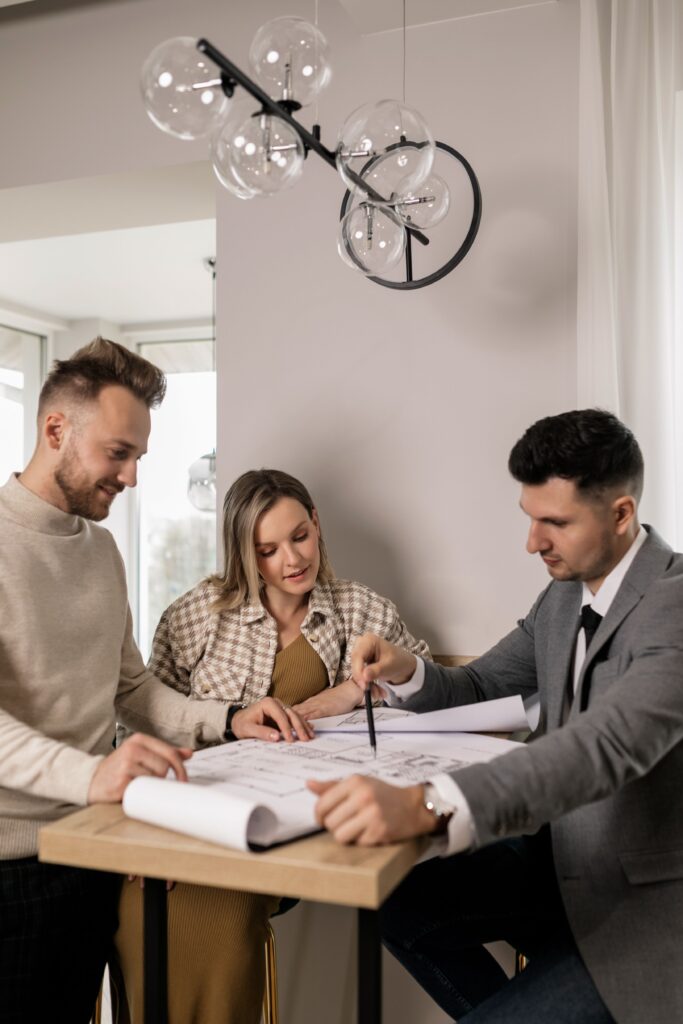
The most useful starting point is therefore not a particular aesthetic, but a clear understanding of how you want to live in the home. Thinking carefully about everyday habits, as well as working with reputable architectural designers in Dunedin or another part of the country, can help you make decisions that feel well-considered. From there, you can shape the layout, storage, materials, and other design elements around real needs while still creating a home that reflects your preferences. Here are some key tips to try:
Design Around Daily Life
Picture the first half hour after everyone arrives home after school and work: shoes come off and bags are put down, then family members begin moving between different parts of the house. Moments like these reveal far more about what a home needs than a mood board can. Before settling on room arrangements, think about how you cook, work, entertain, relax, and manage everyday belongings. Consider where people naturally gather and which activities need privacy or separation. Designing around these daily habits can reduce friction and help ensure that the house supports your routines instead of making you work around an inconvenient layout.
Get the Layout Right First
Some design decisions are relatively simple to change later, while others can be costly and disruptive to correct once construction is complete. Room proportions, circulation routes, door positions, natural light, and the relationship between adjoining spaces belong in the second category. Give these elements careful attention before becoming absorbed in finishes or decorative details. A strong layout provides a practical framework that can accommodate different styles over time, whereas an attractive finish cannot compensate for spaces that are awkwardly shaped or inconvenient to use.
Build Storage Into the Design

Clutter often develops not because a household owns too much, but because everyday belongings have no convenient place to go. Planning storage alongside the rest of the architecture allows cupboards, wardrobes, shelving, and utility spaces to feel integrated rather than as an afterthought. Full-height cabinetry can make efficient use of limited floor area, while built-in seating or concealed storage can serve more than one purpose. Think realistically about what your household needs to store, including less visible items such as cleaning equipment, sports gear, outdoor clothing, and gardening tools. When storage is located close to where you actually use things, keeping the home organised becomes easier and the overall interior can remain visually calmer.
Keep Materials and Colours Cohesive
A home can quickly feel visually busy when every room introduces a different set of finishes. Select a restrained palette of complementary colours, timbers, metals, and surface materials to create continuity without making the interior feel uniform. Then, repeat key finishes in different spaces; this helps individual rooms feel connected to the wider design. You can introduce more distinctive choices through artwork, textiles, furniture, or smaller fittings that are comparatively easy to change.
Plan Lighting With Purpose
The way a room feels can change considerably between a bright afternoon and a winter evening, so it is worth considering lighting across different times and conditions. Plan for natural light alongside artificial lighting, with attention to window placement, orientation, privacy, and potential glare. Combine general indoor illumination with focused task lighting for areas such as kitchen benches and desks, then add accent lighting selectively to highlight architectural features or create a softer atmosphere.
Choose Materials for Real Life
A finish that looks impressive when newly installed may be less appealing if it is difficult to clean or begins showing wear almost immediately. In hardworking areas such as kitchens and bathrooms, consider how materials will respond to moisture, foot traffic, spills, and regular maintenance. Flooring near outdoor access also needs to be able to withstand wet shoes and dirt , while surfaces exposed to strong sunlight should have sufficient UV protection.
Plan Furniture and Preserve Space
An empty floor plan can make rooms seem more generous than they are; once the major pieces of furniture are in place, however, things might be a little cramped. Position beds, sofas, dining tables, desks, televisions, and other large items early enough to check that doors, windows, switches, and power points will work around them. Doing so can also reveal whether circulation routes are genuinely comfortable rather than simply adequate on paper. At the same time, resist the temptation to fill every available wall or corner; instead, leave deliberate open space between furnishings. This can make rooms easier to move through and give the overall design a calmer, more considered feel.
A home should feel intentionally designed not only when you first step into it, but also after years of everyday use. The most enduring designs tend to be those in which practical choices and visual character feel naturally connected rather than separately imposed. When that balance is right, the result is a home that feels distinctly yours without asking you to compromise on how well it works.