

There is a moment most families recognize. The baby gate is now a toddler gate, the “office” is a desk wedged into the dining room, and the closet under the stairs has become a storage unit you are slightly afraid to open. The house that felt roomy when you bought it is suddenly very full.
When that happens, the question is not really “do we need more space?” You already know the answer. The question is which of three paths gets you there with the least stress and the least money wasted: add space to the house you have, move to a bigger one, or sell this one as-is and skip the fix-up entirely. The best choice between remodeling your home or moving depends on your family’s needs and circumstances. Here is how to tell which path is right for yours.
First, Name the Problem
Before pricing anything, get specific about what is actually missing. “We need a bigger house” hides a lot of different problems, and some of them are cheap to solve.
- One more room. A home office, a nursery, a bedroom for a child who has outgrown sharing. This is the most common need and often the easiest to meet without moving.
- A bigger version of a room you already have. A kitchen three people cannot stand in at once, or a living room that cannot hold the family plus one guest.
- Storage. No place for bikes, holiday boxes, sports gear, or the furniture the grandparents handed down.
- A different layout. The space exists, but it is in the wrong place: a formal dining room nobody uses while the family eats in the kitchen.
- A different location. The house is fine; the commute, the school, or the yard is not.
Write down your top two. If both are on the first three lines of that list, adding space deserves a real look. If “layout” or “location” is on the list, no addition will fix it, and you are choosing between moving and selling.
Option 1: Add Space to the House You Have
Adding space allows you to hold onto your school, your neighbors, your mortgage rate, and your kids’ bedrooms. It also traps you inside a construction project for a while, so weigh both halves.
What the common projects really cost. Prices vary by region and finish level, but the ranges below are typical for an average home:
- Finishing a basement: often $25,000 to $60,000 for a family room, a bedroom, and a bathroom. This is usually the cheapest square footage you can add, because the roof and foundation already exist.
- Converting an attic or a garage: roughly $30,000 to $75,000, depending on how much structure, insulation, and plumbing the space needs.
- A bump-out or a small addition: about $150 to $300 per square foot, so a 300-square-foot family room can run $45,000 to $90,000 before furniture.
- A second-story addition: the big one, frequently $150,000 and up, and the most disruptive to live through.
What it adds to the value. A finished basement or an extra bathroom tends to return a good share of its cost at resale. A large addition usually returns less than it costs, so it has to earn its keep by making your life better, not by making the house worth more.
The questions to ask before you call a contractor:
- Will the finished space solve the problem you named, or just add a room you will fill with the same clutter?
- Does your lot, your zoning, and your homeowners association allow it? Setback rules kill a lot of bump-outs.
- How will you pay for it, and does the monthly payment on a home equity loan still leave room for the rest of life?
- Can your family live through three to six months of dust, noise, and strangers in the house, or is there a place to stay?
- Is the rest of the house keeping up? Pouring $60,000 into a basement under a roof that needs replacing is the wrong order.
Add space when the house and the location are right and only the square footage is wrong.
Option 2: Move to a Bigger House
Moving solves the layout and location problems that an addition cannot. It is also the path with the most moving parts, and the costs hide in a dozen places.
The real cost of selling the traditional way. Beyond the price of the next house, selling the current one typically means:
- Agent commissions: commonly 5 to 6 percent of the sale price, so $15,000 to $18,000 on a $300,000 home.
- Getting it ready: paint, repairs the inspector will flag, decluttering, maybe staging. Many sellers spend $3,000 to $10,000 here, and a surprising amount of their weekends.
- Closing costs and concessions: a few thousand dollars more, plus whatever the buyer negotiates after the inspection.
- Carrying two homes: if you buy before you sell, two mortgages, two sets of utilities, and two yards for however long the overlap lasts.
- The move itself: movers, boxes, time off work, and the week of eating takeout.
The timing problem. The hardest part of moving up is the gap between selling and buying. A contingent offer (you buy only if your house sells) protects you but weakens your offer in a competitive market. Selling first and renting for a few months is safer financially but means moving twice with children. A bridge loan covers the overlap but adds cost.
When moving is the right call: the location or the layout is the problem, your house is in good shape and will show well, and you have the time to run a listing properly. A well-prepared house in a normal market usually goes from listing to closing in two to three months.
Option 3: Sell As-Is and Skip the Fix-Up
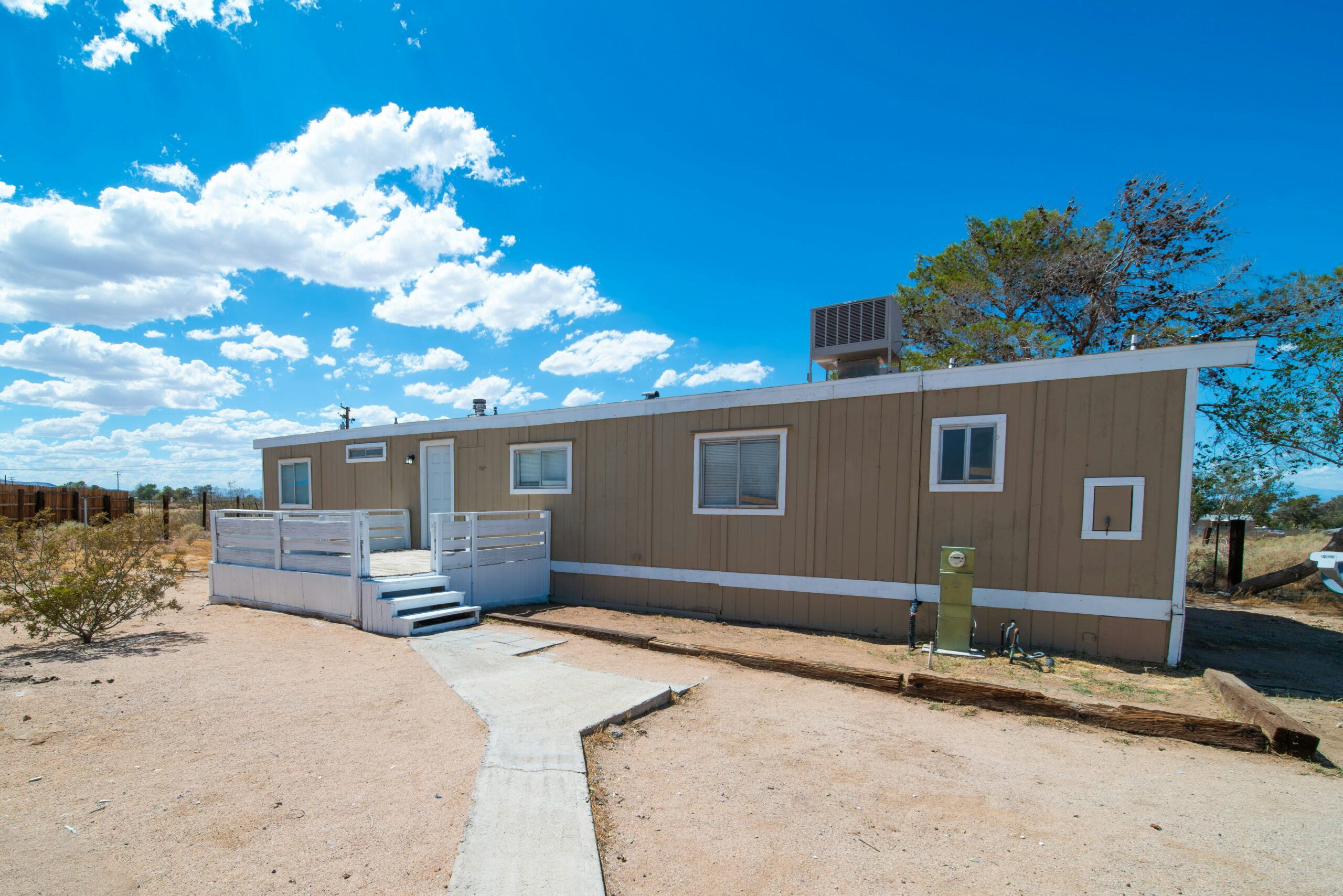
There is a third path that families often do not think of until they are exhausted by the first two: sell the house as it stands to a buyer who takes it with its worn carpet, its dated kitchen, and its list of deferred repairs, and move on.
Who this fits. Selling as-is makes the most sense when one or more of these is true:
- The repairs have piled up. A roof, a furnace, water damage, or a foundation issue that would eat the first $20,000 of any sale.
- The timeline is short. A job relocation, a growing family that cannot wait another spring, or a divorce that needs a clean break.
- You are dealing with a second property. An inherited house, a rental with a difficult tenant, or the home a parent has moved out of.
- You do not have the money, the time, or the energy to prepare a house for showings while raising kids in it.
How it works. A cash home buyer looks at the house, makes a written offer within a day or two, and closes on your schedule, often in one to three weeks. There are no repairs, no showings, no commissions, no appraisal contingency, and no waiting on a buyer’s lender. The trade-off is honest: the offer is below what a fully fixed-up house would fetch on the open market, because the buyer takes on the repairs and the risk. For many families the gap is smaller than they expect once they subtract the commission, the repairs, and the months of carrying costs they would have paid the traditional way.
A family in the St. Louis area, for example, might weigh a $25,000 repair list and three months of showings against selling a house as-is in St. Louis in two weeks, with the sale price set in writing before they pack a single box.
How to vet a buyer. This part matters, because the convenience attracts a few operators you do not want. Any legitimate cash buyer should give you:
1- A written offer with the price, the closing date, and who pays which closing costs.
2- Proof of funds, meaning a bank statement or letter showing the cash is real.
3- No fees charged to you, no “assignment” surprises, and no pressure to sign the same day.
4- Local reviews and a real address, not just a phone number on a sign.
5- Time to have your own attorney or title company look over the contract.
Sell as-is when the house needs more than you can give it, or when the calendar matters more than the last dollar.
A Quick Decision Checklist
Pull out the two problems you named at the start and run down this list.
- Love the location, love the layout, just need rooms? Add space. Start with the basement or attic if you have one.
- Love the location, wrong layout? Move, and be realistic about the prep budget and the timeline.
- Wrong location? Move, or sell as-is if the house needs work you will not do.
- Repairs over $15,000 to $20,000, or a timeline under two months? Sell as-is and put your energy into the next house.
- Not sure? Price all three. Get one contractor estimate, one agent’s opinion of the listing price and prep list, and one written as-is offer. Three numbers on one page make the decision clearer than any amount of thinking.
The Bottom Line

Outgrowing a house is a good problem. It means the family grew. The mistake is letting the decision drag on for a year of “we really should,” while the dining-room office gets more permanent and the under-stairs closet gets scarier.
Name the problem, price the three paths, and choose the one that fits your family’s next two years, not the one that sounds most impressive. Sometimes that is a finished basement. Sometimes it is a bigger house across town. And sometimes the kindest thing you can do for everyone, including yourself, is to hand the keys to someone who will fix what you never got to, and start fresh.