
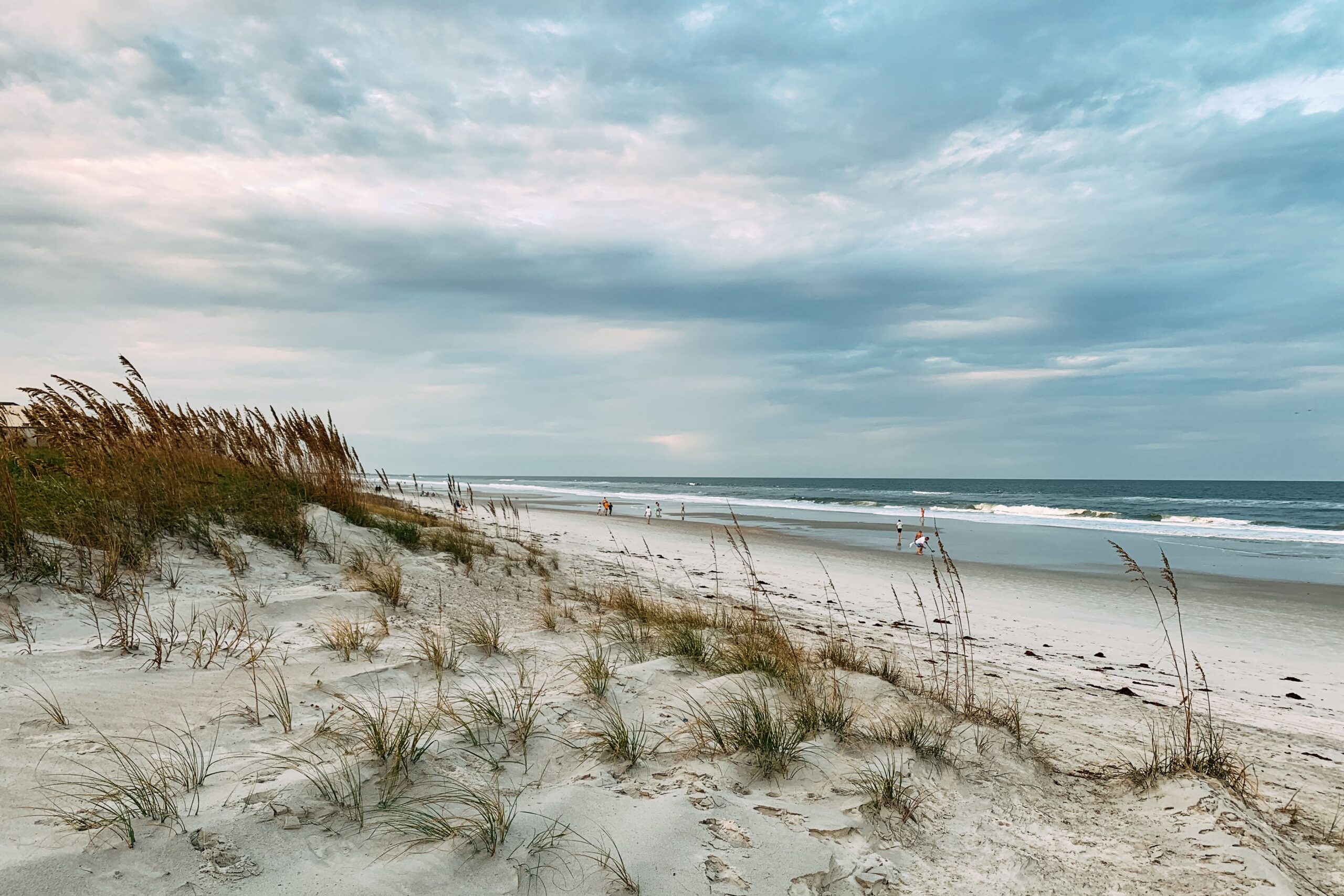
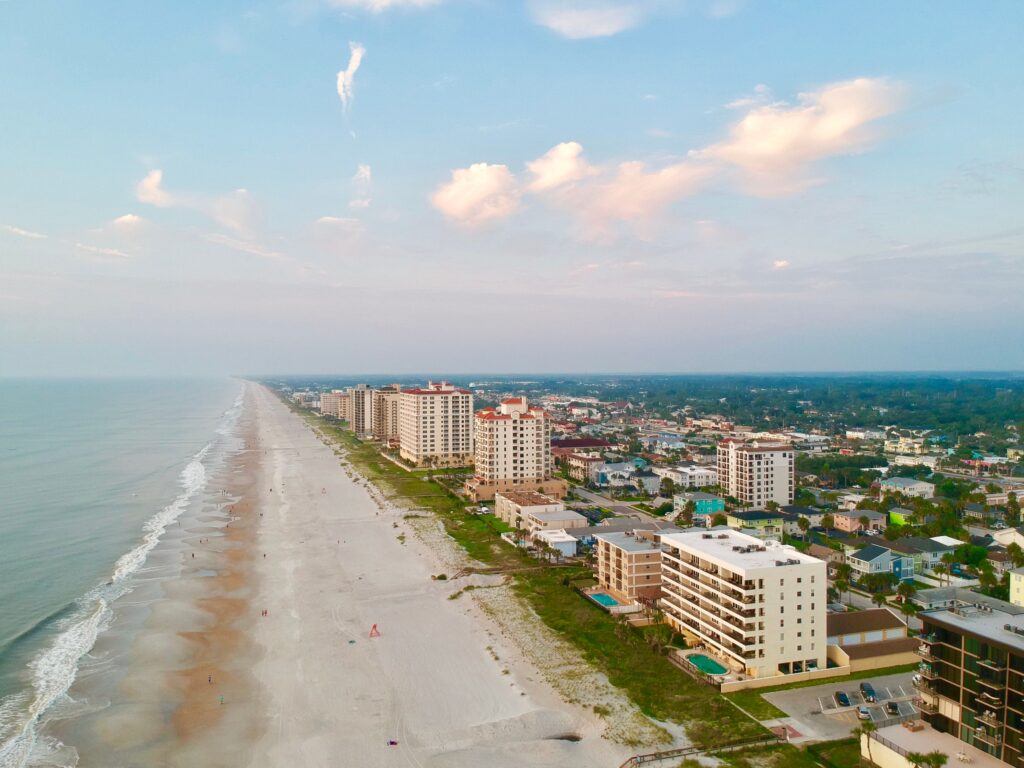
Jacksonville Beach offers something many Florida cities cannot: a true beach town atmosphere within easy reach of a major metro area. Residents can walk to the ocean in the morning and commute into Jacksonville for work, and the community has a relaxed, local feel that draws families, retirees, and remote workers alike.
Beach living also comes with practical considerations that inland moves do not. This guide covers what to plan for before you relocate, so your first months near the ocean are as easy as the lifestyle that attracted you.
Plan Around Hurricane Season
The Atlantic hurricane season runs from June 1 through November 30. Most of those months pass without a direct hit, but storms can disrupt travel, close roads, and push back moving dates with little notice. If you are moving during these months, keep an eye on forecasts in the week before your move and have a backup date in mind.
Once you arrive, learn your evacuation zone, which Duval County publishes online, and put together a basic storm kit. Many coastal homeowners also invest in hurricane shutters or impact windows. If the home you are buying lacks them, ask your inspector and insurer what they recommend.
Understand Flood Zones and Insurance
Properties close to the ocean or the Intracoastal Waterway are often located in designated flood zones. Standard homeowners policies generally do not cover flood damage, so lenders may require separate flood insurance for homes in higher-risk areas. Even when it is optional, it is worth pricing.
Before you buy, look up the property on FEMA’s flood maps and request quotes for both homeowners and flood coverage. Insurance costs in coastal Florida can vary widely between nearby properties, and knowing the numbers early helps you compare homes accurately.
Prepare for Salt Air and Sun
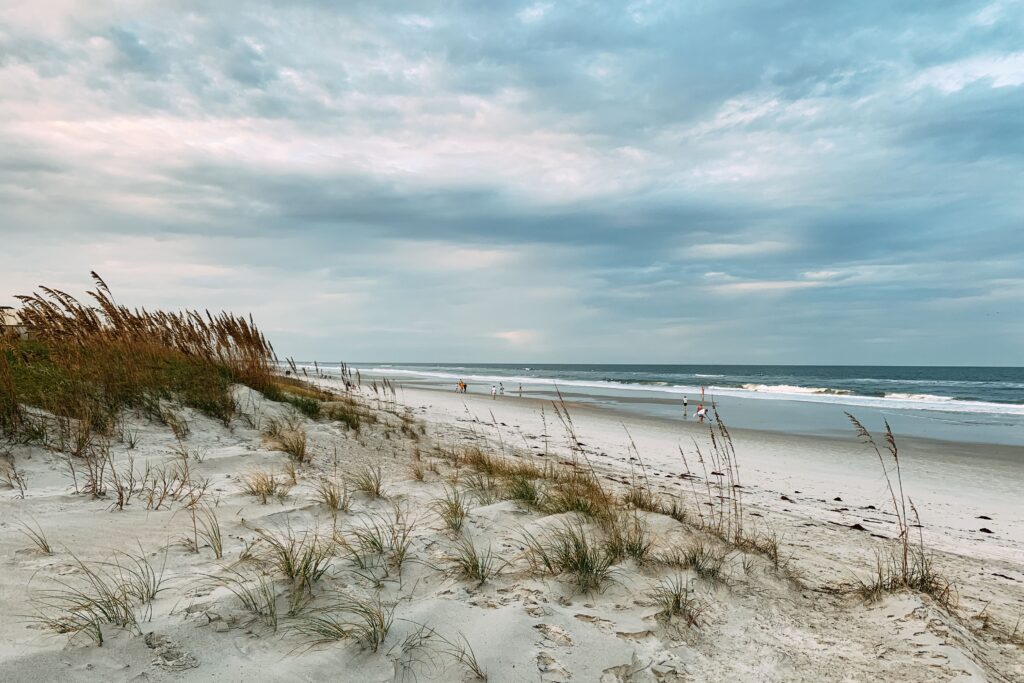
Salt air is part of the charm of beach living, but it is hard on belongings. Metal furniture, outdoor grills, bicycles, and electronics can corrode faster near the coast. Choose outdoor furniture made from materials that handle salt and humidity well, and plan on more frequent maintenance for air conditioning units, which work hard in Northeast Florida summers.
Strong sun and humidity also affect items in storage. If you are moving fine wood furniture, artwork, or instruments, keep them in climate-controlled spaces rather than garages or sheds.
Think About Access on Moving Day
Beachside neighborhoods often have narrower streets, limited parking, and heavy traffic on weekends and holidays, especially in summer. Condominium buildings typically have their own move rules, including elevator reservations, approved move-in hours, and requirements for certificates of insurance from your moving company.
Ask your HOA or building manager for written move-in guidelines as soon as you have a closing or lease date. Then share those rules with whoever is handling your move. Working with movers in Jacksonville Beach who are familiar with local condo rules, parking constraints, and seasonal traffic can prevent delays, especially when a building allows moves only during a narrow window.
Choose the Right Neighborhood for Your Routine
Jacksonville Beach includes oceanfront condos, older beach cottages, and newer single-family homes farther west. Living east of Third Street puts you steps from the sand but closer to visitor traffic, while neighborhoods closer to the Intracoastal tend to be quieter with more space.
Spend time in each area on a weekend afternoon and a weekday evening before deciding. Check the drive to work along Beach Boulevard or J. Turner Butler Boulevard during rush hour, and confirm school assignments with Duval County Public Schools if you have children.
Handle Florida Paperwork Promptly
New Florida residents are required to obtain a Florida driver’s license within 30 days of establishing residency, and vehicles must be titled and registered in Florida within 10 days of the owner starting work or enrolling children in school here. Book appointments with the local tax collector’s office early, since they can fill up.
If you buy a home as your primary residence, apply for Florida’s homestead exemption with the Duval County Property Appraiser. The deadline is March 1 of the tax year, and the exemption can meaningfully reduce your property tax bill.
Jacksonville Beach Moving Checklist
- Pick a move date with a backup in case of storms.
- Check flood zones and get insurance quotes before buying.
- Request HOA or condo move-in rules in writing.
- Protect furniture and electronics from salt air and humidity.
- Get your Florida driver’s license and vehicle registration on time.
- Apply for the homestead exemption by March 1.
Jacksonville Beach rewards residents with ocean access, a strong community, and a pace of life that is hard to match. With some planning for weather, insurance, and access, your move can be as relaxed as the town itself.