
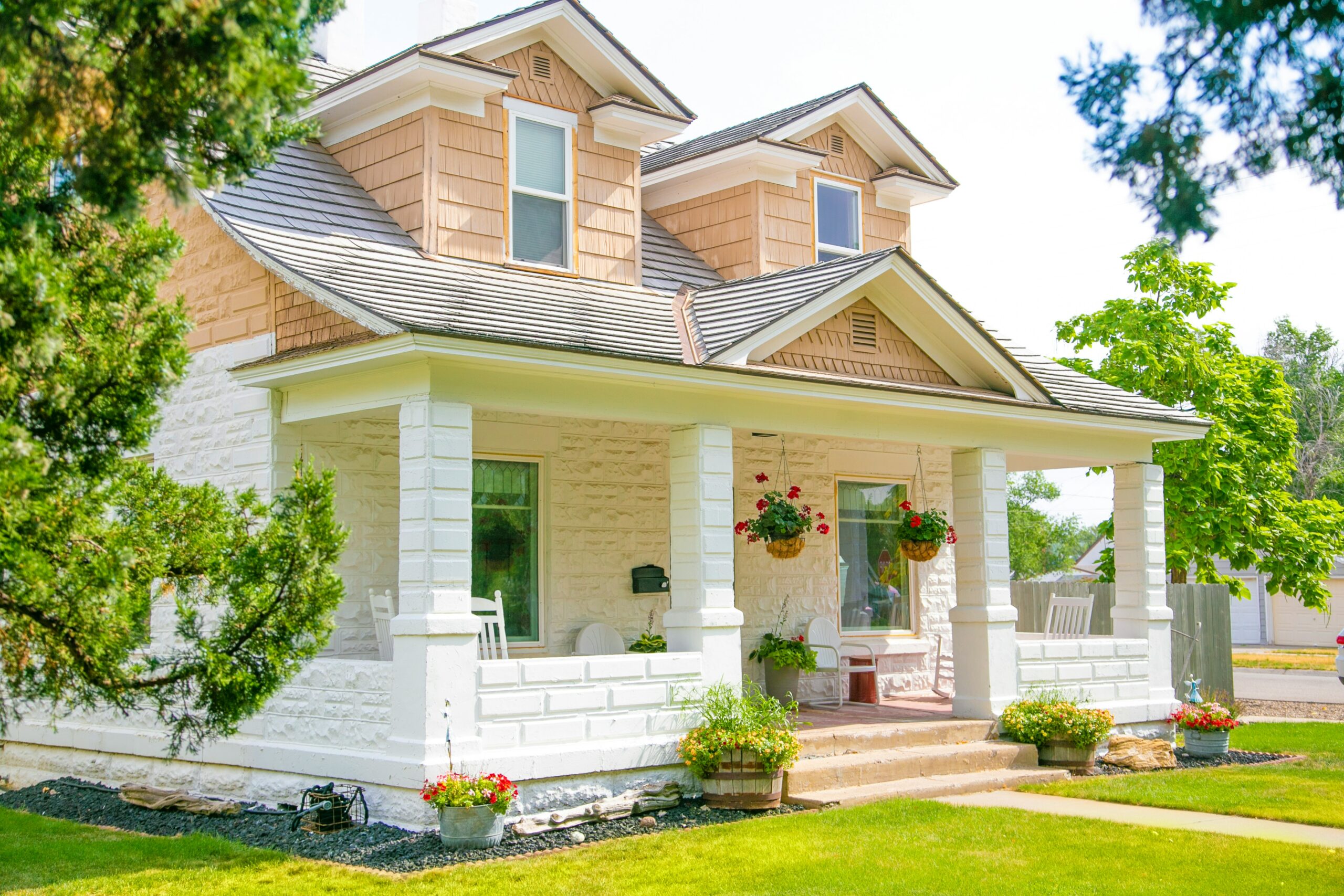
Some of the most sought-after homes in Kansas City were built a century ago. Neighborhoods like Brookside, Waldo, Hyde Park, Volker, Roanoke, and parts of Midtown are full of brick bungalows, Tudors, and the city’s signature Kansas City Shirtwaist houses. They have character that newer construction rarely matches: original woodwork, deep front porches, and tree-lined streets.
Older homes have plenty of character—but they can add a few hurdles to moving day. A staircase built in the 1910s might not be ready for a modern king mattress, and a sectional that fit perfectly in your old living room might not make the tight turn into a historic home’s front hall. Measuring ahead and planning your route and prevent a moving-day headache
Measure Everything, Then Measure Again
The single most useful thing you can do before moving into an older home is measure the path your furniture will travel. That means the front door, interior doorways, hallway widths, the stair width, and, most importantly, the ceiling height above the stairs and the landing where the staircase turns.
Older Kansas City homes often have narrow, steep staircases with a tight turn at the landing. Second floors were frequently designed as sleeping spaces only, so the stairs leading up to them can be surprisingly compact. Attic bedrooms and finished third floors are even tighter.
Compare those measurements against your largest pieces: box springs, dressers, sofas, sectionals, and desks. If a box spring will not fit, a split box spring is a common solution. If a sofa is borderline, check whether its legs come off, which can buy you an extra inch or two.
Plan Around Doorways and Original Features
Original doors and trim are part of what makes an older home special, and they are easy to damage on moving day. Doorways in historic homes are often narrower than today’s standard, and plaster walls chip and crack more easily than drywall.
A few precautions protect the house:
- Remove interior doors from their hinges where it gives you more clearance, and keep the hardware in a labeled bag.
- Pad door frames, banisters, and newel posts with moving blankets or foam corner guards.
- Lay floor runners over original hardwood, especially on stairs and high-traffic paths.
- Take photos of trim, floors, and walls before the move so you have a record of their condition.
Stained glass windows, built-in bookcases, and pocket doors deserve extra attention too. Note where they are and keep heavy items well away from them while carrying furniture through.
Think About Access Outside the House
Many of Kansas City’s older neighborhoods were laid out long before moving trucks existed. Streets can be narrow, parking is often on-street only, and some homes sit up a long set of front steps from the sidewalk. Alleys are common in some areas but are not always wide enough for a large truck.
Walk the outside of the property before moving day. Look at where a truck can realistically park, how many steps lead to the front and back doors, and whether a side or rear entrance offers an easier route. If you live on a busy street or near a commercial strip like Brookside’s shops or Waldo’s stretch of Wornall Road, plan for the timing of traffic and parking. Letting your neighbors know about your moving date can also help keep space open in front of the house.
Check the Home’s Systems Before You Unpack
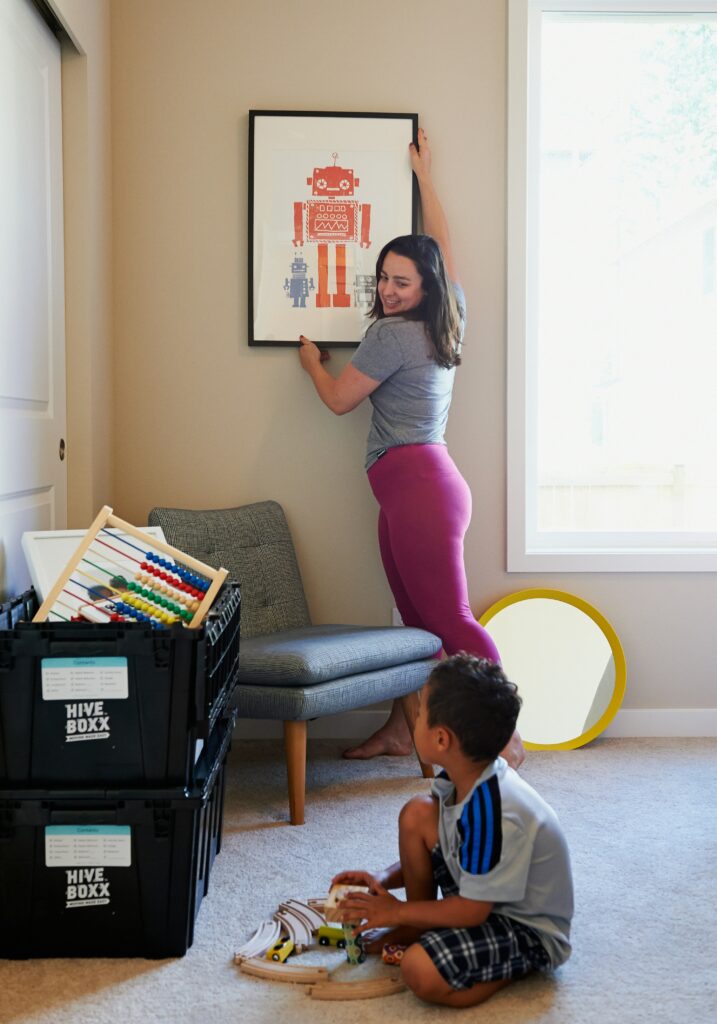
Older homes often have systems that have been updated in pieces over the decades. Before you start plugging in every appliance, it helps to understand what you are working with.
Electrical: Some older homes still have a limited number of outlets per room, two-prong outlets, or circuits that trip under heavy loads. Avoid running a space heater, window AC unit, and microwave on the same circuit until you know how the panel is laid out.
Laundry and appliances: Basement laundry areas in older homes may have tight stairways leading down to them. Measure washer and dryer paths separately, and confirm whether the dryer hookup is gas or electric before moving day.
Basements: Many older Kansas City basements stay damp, particularly after spring storms. Store boxes on shelves or pallets rather than directly on the floor until you know how the space handles moisture.
Bring in the Right Help for Tight Spaces
Moving into an older home rewards experience. Crews who regularly handle historic properties know how to angle furniture through tight turns, when to hoist an item through a window instead of up the stairs, and when a piece simply needs to be disassembled. They also know how to protect plaster, trim, and original floors along the way.
When you request quotes, mention the age of the home, the number of stairs, any attic or third-floor rooms, and any items you already suspect will be a tight fit. Working with local movers in Kansas City who understand the city’s older neighborhoods can save you from scrambling on moving day when the couch stops halfway up the stairs.
Consider Downsizing Before You Move
Older homes often have smaller closets and fewer built-in storage spaces than newer construction. Bedroom closets in many early twentieth-century homes were shallow, and some rooms had none at all. Before you pack, walk through the new house and think honestly about where everything will go.
Selling, donating, or hauling away oversized furniture before the move reduces your load and saves you from discovering on moving day that a piece has nowhere to live. Freestanding wardrobes, under-bed storage, and wall shelving are popular ways to add storage in older homes without changing their character.
A Quick Checklist for Moving Into an Older Home
- Measure doors, hallways, stair width, and ceiling clearance at every turn.
- Compare those measurements with your largest furniture pieces.
- Plan truck parking and the easiest entrance.
- Protect floors, trim, banisters, and plaster walls.
- Learn the electrical panel layout before running heavy appliances.
- Keep basement storage off the floor until you know how it handles moisture.
- Downsize furniture that will not fit the new space.
Kansas City’s historic homes are well worth the extra planning. With accurate measurements, a protected path, and realistic expectations about space, you can move in without damaging the features that drew you to the house in the first place.