
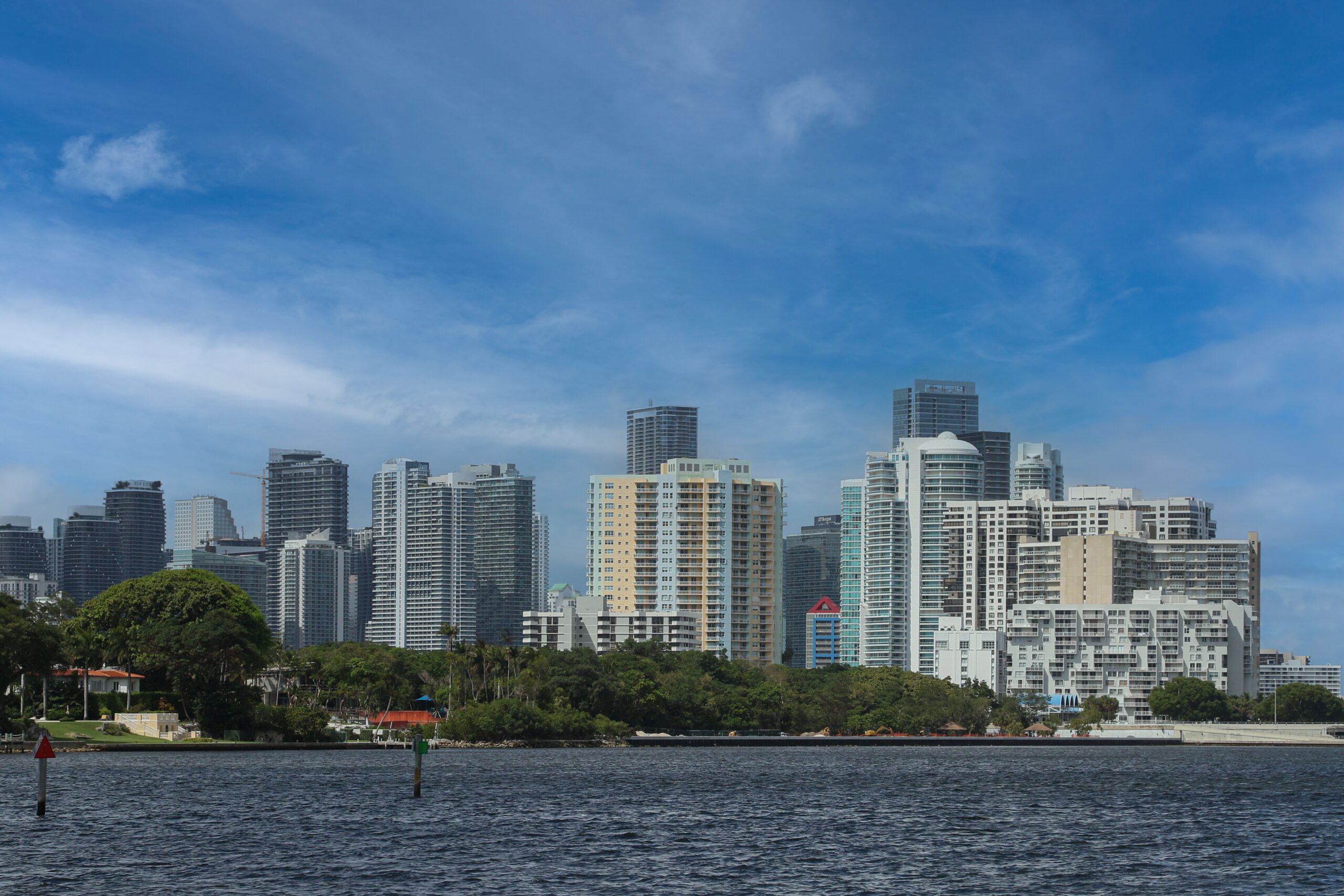

The truck pulls away, the boxes are inside, and you are standing in a new apartment in a city that runs on its own rhythm. Getting to Miami is one thing. Feeling like you belong here is another, and it happens faster if you know where to point yourself in those first few weeks. Here is how newcomers who move to Miami settle in and start to love the place.
Learn the Coffee, Then Learn the Neighborhood
Miami runs on Cuban coffee. Walk up to almost any ventanita, the little walk-up window on the side of a cafe, and order a cortadito or a colada to share. It is small, strong, and sweet, and it is the fastest way to feel like part of the daily flow instead of a visitor.
From there, let your own block teach you the city. Little Havana gives you Calle Ocho, live music, and domino games in the park. Wynwood turned old warehouses into open-air murals and galleries. Coconut Grove leans leafy and laid-back with waterfront parks. Each area has its own personality, and the fun of a Miami move is figuring out which one feels like yours.
Eat Your Way Past the Tourist Spots
The food scene here goes far beyond the beachfront restaurants that show up first in a search. Croquetas, pastelitos, and a proper Cuban sandwich are the local staples, and the arepas and empanadas are just as good thanks to Miami’s Venezuelan and Colombian communities. Ask a neighbor where they actually eat, not where they take out-of-town guests, and you will end up somewhere better and cheaper.
Weekend farmers markets are another quick way in. The Coconut Grove and Legion Park markets pull in regulars, local produce, and vendors who remember your face by the third visit. That kind of small routine is what turns a new city into home.
Trade the Car for the Water When You Can

Yes, Miami is a driving city, and yes, traffic can test your patience. But the reward for living here is the water, so build your weekends around it. Rent a paddleboard, walk the paths at Matheson Hammock, or catch a sunset at the beach on a Tuesday when the crowds are gone. Key Biscayne is a short drive and feels like a small escape without leaving the county.
Locals also lean into the outdoors during the cooler, drier months from roughly November through April. That stretch is when the city really opens up, with festivals, art fairs, and long evenings that make the summer humidity worth putting up with.
Give Yourself Grace on the Heat and the Season
Nobody adjusts to Miami weather overnight. The summer humidity is real, and so is the afternoon thunderstorm that shows up like clockwork and disappears twenty minutes later. Keep an umbrella in the car, drink more water than you think you need, and do not schedule anything strenuous for the middle of a July afternoon.
Hurricane season is part of local life too, and the calm way locals handle it is a good model. Keep some basics on hand, know your building’s plan, and otherwise get on with your life. Preparation beats panic every time.
Start with a Move that Goes Smoothly
A lot of how you feel about a new city is shaped by those first days, and a rough move day can sour the whole thing. Unpacking into a home where nothing broke in transit and the crew showed up on time gives you the space to actually enjoy exploring instead of filing damage claims.
That is where a local team pays off. Pro Movers Miami is based right in the city and moves people into Miami neighborhoods every week, from Brickell high-rises to houses in the Gables. Pro Movers Miami handles the heavy, sweaty, logistical part with upfront pricing and full-time crews, so you can spend your first weekend finding your coffee spot instead of hauling boxes up a stairwell.
Miami rewards people who lean in. Order the cortadito, learn one new neighborhood at a time, and let the city grow on you. It usually does.