
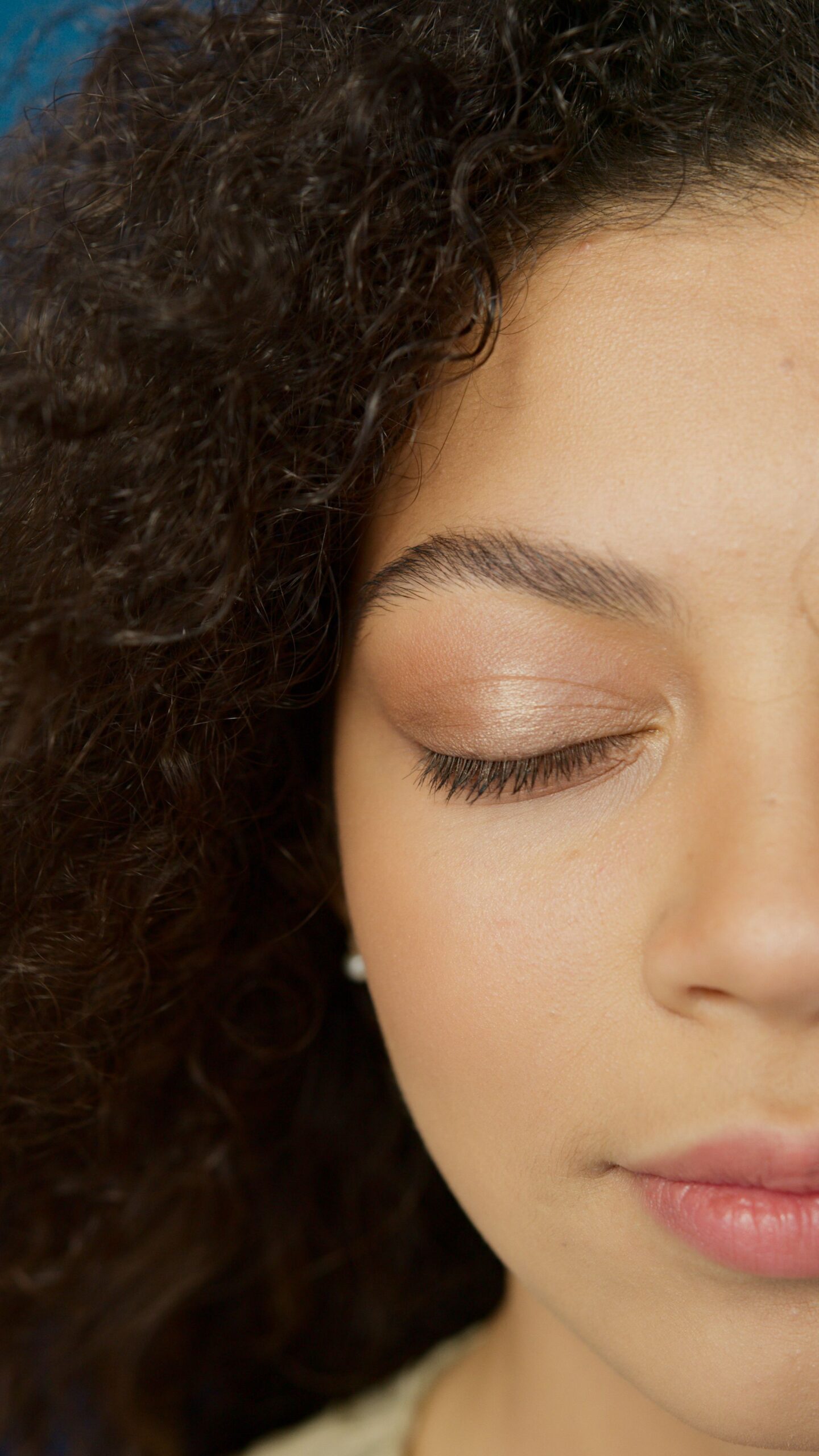
Most mascaras promise dramatic lashes and deliver clumps. Lash growth mascara works differently. It pairs the immediate visual boost of a traditional formula with ingredients that actually support lash health as you keep using it. The real magic? Two separate systems firing at once, what happens the moment you apply it, and what the conditioning activities do over days and weeks underneath.
The Science Behind Instant Length and Volume
Want to understand why growth mascara works on lashes? Look inside the tube. Many formulas in this category, including lash growing mascara with plant botanicals, blend film-forming polymers with plant extracts that activate from the first coat. Film-forming polymers do the heavy lifting for length. They wrap around each lash strand, root to tip, and build a thin, flexible shell that physically extends how long the lash looks. You see it the instant the brush touches your lash line. Plant-based actives like biotin-rich extracts and peptide-adjacent botanicals condition the hair itself at the same time; this means the lash grips the product better and resists bending throughout the day. Mascaras that skip conditioning ingredients tend to make lashes brittle by evening, which causes breakage if you keep using them. So yes, the instant effect is genuine, but the supporting chemistry separates a mascara that builds your lashes up from one that slowly wears them down.
Why Fiber-Based Formulas Add Thickness
Some lash growth mascaras throw microfibers into the mix; these are tiny synthetic or plant-derived fibers suspended in the formula that deposit along each lash as you apply. They function like micro-extensions, pumping up visible bulk and length even on the finest natural lash. The trick is distribution. A well-balanced formula releases fibers gradually as the brush moves through; buildup stays smooth rather than flaking off. If your natural lashes run thin or sparse, this approach delivers maximum fullness.
How the Brush Shape Controls the Final Look
The wand does as much work as what’s inside it. A densely bristled brush separates each lash one at a time before laying down product, killing clumps and adding dimension to the finished look. Curved wands tilt lashes upward, stretching them visually. Straight, comb-style brushes keep things flat but coat ultra-short or fine lashes more precisely. Most lash growth mascaras pair a lengthening wand with their formula because curled lashes catch light better, and that reflection is a huge part of why they appear both longer and thicker.
How Growth Ingredients Change Your Lashes Over Time
Instant visual lift is only half the story. The longer-term piece involves what happens to the lash follicle and shaft when you apply this formula day after day.
Plant Botanicals and the Lash Growth Cycle
Lashes grow through three phases: anagen (active growth), catagen (transition), and telogen (resting and shedding). How long and thick your lashes appear depends heavily on how long each one stays in anagen. Certain botanical extracts, castor oil, peptide-rich plant proteins, and biotin precursors have documented effects on hair fiber hydration and follicle support. A 2022 review published in the Journal of Cosmetic Dermatology found that lipid-rich plant oils applied topically improved hair shaft integrity and reduced breakage in subjects with fine, fragile hair. For lashes, that translates simply: fewer broken lashes mean more visible length over time. The mechanism isn’t the same as a prescription lash serum, but daily nourishment builds up in measurable ways over four to eight consistent weeks of use.
What Consistent Use Does That Single Application Can’t
One swipe gives you coating, curl, and fiber buildup. But growth activation happens only through repetition. Plant actives sink into the lash cuticle most effectively when the hair’s already been softened by earlier applications. It’s a stacking thing; each day’s application deposits conditioning molecules that the next application builds on. Stick with a growth-focused formula for six to eight weeks, and most users report noticeably denser lashes, not just on days they’re wearing mascara but on bare lash days too. That’s what actually separates lash growth mascara from a standard lengthening formula. One makes lashes look longer today; the other shifts what your natural lashes look like on their own.
Choosing the Right Formula for Your Lash Type
Not all lash growth mascaras perform the same across different lash types, and the formula that transforms thick, dark lashes may barely touch fine, light ones.
Formulas for Fine or Light-Colored Lashes
Fine lashes take up product in a different way than coarse ones. A formula leaning toward conditioning agents over film-formers typically works better here, since fine lashes need structural support more than they need heavy buildup. Hunt for formulas that list a plant oil, castor, argan, or marula, in the first five ingredients. That position signals a real concentration, not something tossed in for the label. For light-colored lashes, a tinting pigment that saturates deep from root to tip matters more than fiber content. Deeply pigmented formulas make light lashes appear thicker just by cranking up the contrast against skin.
How to Apply for Maximum Length Effect
Application technique matters way more than people realize. Start at the base and zigzag the wand toward the tip instead of a single upward stroke. The zigzag coats the sides of the lash shaft, not just the face, which adds real thickness all around. A second coat applied before the first fully dries builds more length than waiting. Let the coat reach a slightly tacky state, then layer the second. The layers bond together and create an extended tip.
Conclusion
Lash growth mascara makes your lashes look longer and fuller in two distinct ways. The formula delivers instant results through polymers, fibers, and brush design, lifting and extending what’s there right now. Plant actives work more slowly by conditioning the lash shaft and supporting follicle health; the lashes that grow naturally become more resilient. That combination is what distinguishes a growth-focused formula from standard mascara. Here’s the thing: if you want results that stick around past application day rather than just looking good in the mirror right now, you need consistency. The formula needs time to do both jobs well.