

I have always considered myself fairly low maintenance when it comes to beauty routines. A quick shampoo, a dab of conditioner, maybe a leave-in spray on particularly frizzy mornings, and I was out the door.
For years, that felt like enough. My hair looked fine, I told myself. Not amazing, not terrible, just fine. But somewhere along the way, fine stopped feeling good enough.
It was not that my hair looked damaged exactly, but it lacked life. The ends always felt a little rough no matter how recently I had trimmed them. Frizz was my constant companion, especially on humid summer days in New Jersey.
Even worse, my hair just felt dry to the touch, like it was constantly thirsty but never quite satisfied. I kept buying different shampoos and conditioners, hoping one magical bottle would fix everything. Spoiler alert: it did not.
When I Finally Admitted Something Had to Change
The real turning point came last spring when I caught a glimpse of myself in a store window. The lighting was harsh and unforgiving, and my hair looked lifeless and dull. I had just washed it that morning, but you would not have known it.
That moment made me realize I was not giving my hair what it actually needed. I was going through the motions of a routine without ever pausing to think about whether that routine was working.
Around the same time, I started noticing how other women talked about their hair care habits. A friend mentioned something about weekly treatments, and I brushed it off at first. Weekly? That sounded like way too much effort. But then I kept hearing the same thing from different people.
Deep conditioning treatments can add moisture to hair and reduce moisture loss, with experts recommending weekly application for many people. Maybe, I thought, this was the missing piece I had been ignoring.
The Weekly Deep Conditioning Shift That Changed Everything

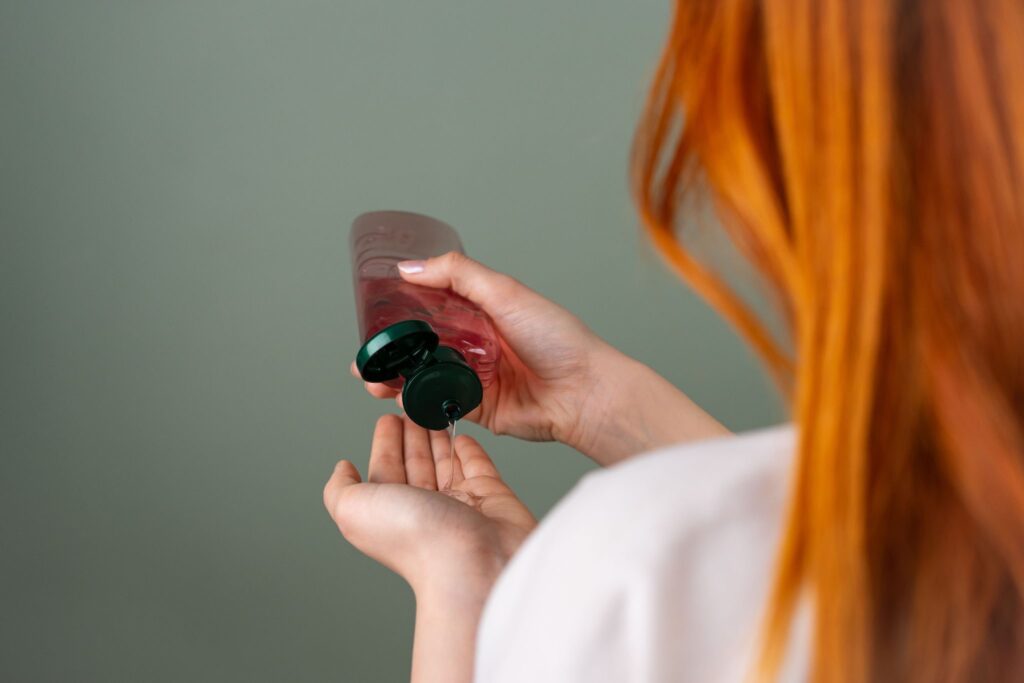
So I decided to try it. I carved out twenty minutes one Sunday afternoon and applied a hair mask to damp, freshly washed hair. I focused on the mid-lengths and ends where the dryness was worst, then wrapped my hair in an old T-shirt and let it sit while I folded laundry. When I rinsed it out, the difference was immediate. My hair felt softer, smoother, and actually hydrated for the first time in what felt like forever.
Hair strands consist primarily of water and the protein keratin, and maintaining a balance between protein and moisture is essential. I had been focusing only on surface-level cleansing and never giving my hair the deep nourishment it needed to stay healthy. That first treatment was a revelation. The frizz calmed down. The ends stopped feeling like straw. And when I ran my fingers through my hair, it actually felt silky instead of rough and tangled.
I started doing this every week, usually on Sunday evenings after the kids were in bed. It became my small act of self-care, something I looked forward to rather than another chore on my list.
Deep conditioning is essential for maintaining healthy hair as it helps restore moisture to dry and damaged hair, repair and strengthen the hair shaft, and reduce breakage and split ends. The more consistent I was, the better my hair looked and felt.
How the Rest of My Routine Fell Into Place
Once I committed to that weekly habit, other things started to click. I realized that my hair was not just dry because of the products I was using but also because of how I was treating it overall.
Heat styling, harsh weather, and chemical treatments can cause cuticle damage, making it important to repair and seal cuticles with deep conditioning treatments and masks. I started using a heat protectant every single time I blow-dried my hair, something I had always skipped before because it seemed like an extra step.
I also paid more attention to the environment around me.
In low humidity settings, air contains fewer water molecules than hair fibers, resulting in water evaporation that leaves hair dry and brittle, highlighting the importance of considering humidity in hair care routines. On particularly dry winter days or sticky summer afternoons, I adjusted how much product I used and how I styled my hair. These small tweaks made a noticeable difference.
Even my regular conditioner started working better. It was like my hair was finally in a place where it could actually absorb and benefit from the products I was using. Before, everything just sat on the surface. Now, my hair felt nourished from the inside out. For practical everyday routines that fit busy schedules, I found inspiration from simple self-care habits that do not require major time commitments.
What I Learned About Listening to What My Hair Actually Needed
Looking back, I wish I had made this change sooner. But I also understand why I did not. It is easy to assume that a basic routine is enough, especially when you are busy and trying to juggle a million other things.
Reducing stress does not require elaborate routines, as small sustainable habits that fit into everyday life make the biggest difference. Adding a weekly treatment felt like it would be complicated or time consuming, but it turned out to be one of the simplest and most effective changes I have ever made.
The real lesson was about paying attention. My hair had been telling me something was wrong for a long time, but I had not been listening.
Protein hydrolysates are substantive to hair due to many ionic and polar bonding sites, with small molecules able to diffuse into hair and protect against chemical and environmental damage. Once I started treating my hair like something that needed regular care and nourishment, not just a quick wash and go, everything improved.
Now, my Sunday evening routine is non-negotiable. I look forward to those twenty minutes when I can slow down, take care of myself, and give my hair what it has been missing all along. My hair is shinier, softer, and healthier than it has been in years. And all it took was one small habit that I had been overlooking for far too long.