Every homeowner should be continually looking for ways to increase their property’s longevity, whether by improving energy efficiency or making the infrastructure more durable and resistant. Naturally, there are lots of ways to do this, and what’s important for one property may not be for another.
It’s all about protecting your investment and ensuring that you have a safe, comfy place to live as long as you own the house, but it can also be quite difficult to know what to prioritize. No matter what sort of home you live in, this article is here to help you out with ten worthwhile upgrades to ensure your home’s longevity in 2026 and beyond.
Image Credit: Pexels
1. High-Efficiency Windows and Doors
Windows and exterior doors are one of the most important elements to consider when it comes to energy efficiency, and so if you want to ensure your home stays warm and doesn’t cost you a fortune, you’re going to want to prioritize them.
There are many different types of windows you could go with, but double and triple-glazed solutions are a must. Look to replace all single-paned glass, to increase their energy efficiency and safety. When it comes to the doors, traditional oak doors are a great option; there are also many modern PVC designs that excellently straddle budget and quality.
2. Metal Roofing
When most people think about roofing materials, metal usually doesn’t immediately come to mind— but the reality is that metal roofing systems are becoming increasingly popular for their durability and modern style. Metal is not the only option worth a look, though. For homeowners keen on sustainability, Green roof systems turn an unused roof into a living layer of plants that improves insulation, manages rainwater and supports local wildlife. They take a little more planning, yet the payoff in energy savings and kerb appeal can be considerable.
A metal roof replacement ditches traditional asphalt shingles for a sleek finish that performs well under high-heat conditions or stormy weather, and with a life expectancy of up to 70 years so they’re a fantastic choice for longevity.
3. Attic Ventilation
The attic is a primary source of energy loss and can be damp, drafty and negatively impact home safety, so it should always be a priority when seeking to improve the longevity of your property.
Attic ventilation systems can be an important part of that. By combining high-quality insulation with strategically positioned fans and exhaust systems, you can significantly any energy-loss or safety risks on your attic.
4. Home Dehumidification Systems
Moisture can be a problem for nearly all homes, regardless of the climate you live in. It can cause everything from rotting beams to mold, and it has even been known to contribute to the damage of a property’s structural foundation.
To negate the problem entirely, a home dehumidification system can be installed. These connect to your HVAC and function without any direct input from the user, managing moisture effectively and maintaining a consistent level of protection for your home.
5. Modern HVAC Systems
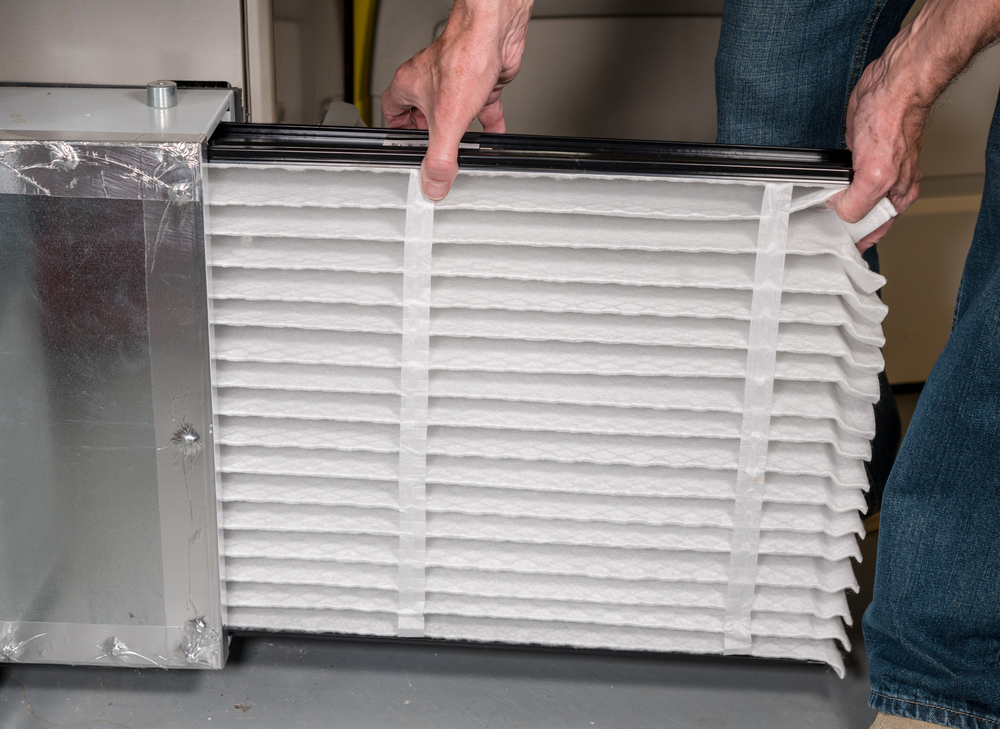
Of course, you should also take a good look at your HVAC system. If yours is old or poorly performing, a visit from an engineer and a checkup can sort it right out—for instance, a simple filter change may be all you need. But in some cases, a full system upgrade may be the most economical option.
Modern systems are far more energy efficient than those that are ten or more years old, and this simple upgrade could be one of the biggest improvements to your home comfort and energy bills, keeping the inside of the property clean and healthy.
Image Credit: Pexels
6. Resistant Exterior Paint and Siding Coatings
You might be surprised to know that how your exterior walls are painted can make a significant difference to the health of your home. Many exterior paints are specifically designed to protect against UV damage from the sun and are resistant to moisture and cracking, meaning the likelihood of having to deal with structural issues due to environmental forces is greatly reduced.
Replacing siding with modern fittings or coatings can also make a big difference, so assess the current state of the walls, or have a professional look at it, to see if you’d benefit.
7. Foundation Reinforcement
Everything good thing starts with a solid foundation, and that’s especially the case when it comes to your home.
Nothing else matters if the base of the property is degraded or insufficient. Problems with the foundation can lead to structural instability for your home, as well as damp and mold, so it’s crucial to ensure that crawl spaces are sealed, vapor barriers and waterproof membranes are installed, and drainage systems aren’t leaking water into the base of the house.
8. Switching to a Tankless Water Heater
A tankless water heater can go a long way in increasing your home’ energy efficiency and preventing any heating and cooling problems associated with inefficient traditional heaters. Update your water heater, and you can possibly avoid having to deal with tank leaks, and given that you’ll have endless hot water on demand, you won’t have to waste time while waiting for your water to heat up.
9. Installing Solar Battery Storage
While less commonly used, solar battery storage is becoming an important part of home infrastructure all over the world.
These batteries are paired with the renewable energy provided by solar panels, storing any energy you don’t use and allowing you to tap into it later, improving energy efficiency and increasing the home’s self-sufficiency.
10. High-Quality Plumbing Replacements
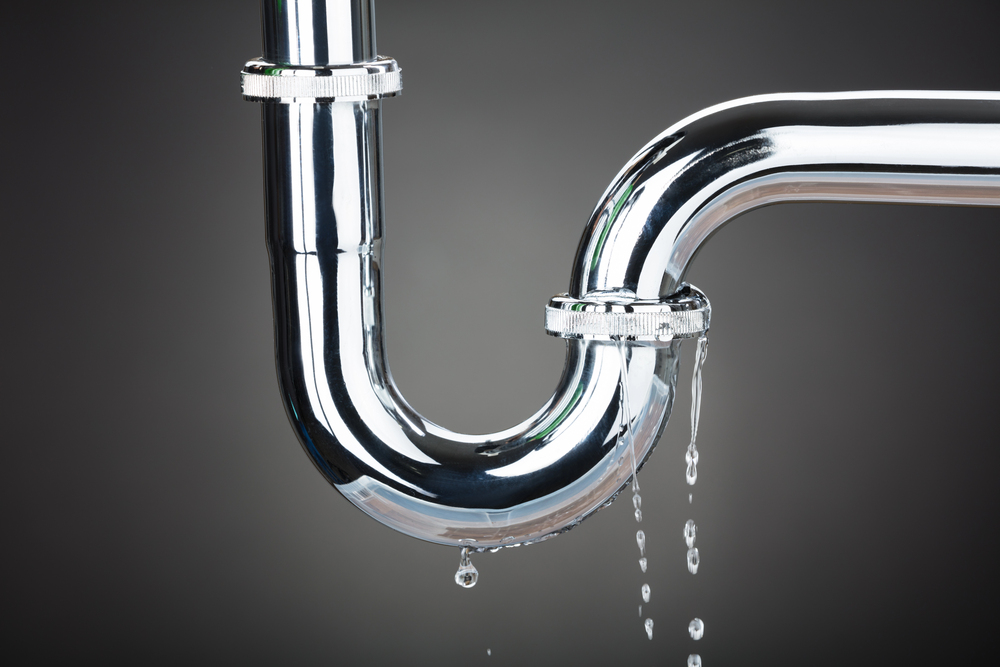
Much of ensuring your home’s longevity involves elements you never see, and that’s especially the case with your plumbing. Pipes don’t last forever, and it’s often the case that in older houses (or modern ones with cheap fittings), a burst due to degraded pipes will come out of nowhere and cost a fortune to repair. On the other hand, you may have a slow leak you don’t know about, which can do damage over time and can add to your energy bills significantly. For Denver, CO homeowners, proactively scheduling professional sewer line repair services can identify leaks, root intrusion, and bellied lines early—helping you avoid backups, water damage, and costly emergency fixes.
Most high-quality plumbing today uses PEX fittings, which are highly flexible, temperature-resistant and cheap. It’s an excellent choice if you need to refit a lot of pipework, so be sure to ask your plumber about it.
Wrapping Up
Hopefully, this list has inspired you to make some changes to your home’s infrastructure to keep your family safe and secure. The above ten options don’t cover everything, but even implementing just a handful of them will significantly improve the energy efficiency and the safety and comfort of your home.