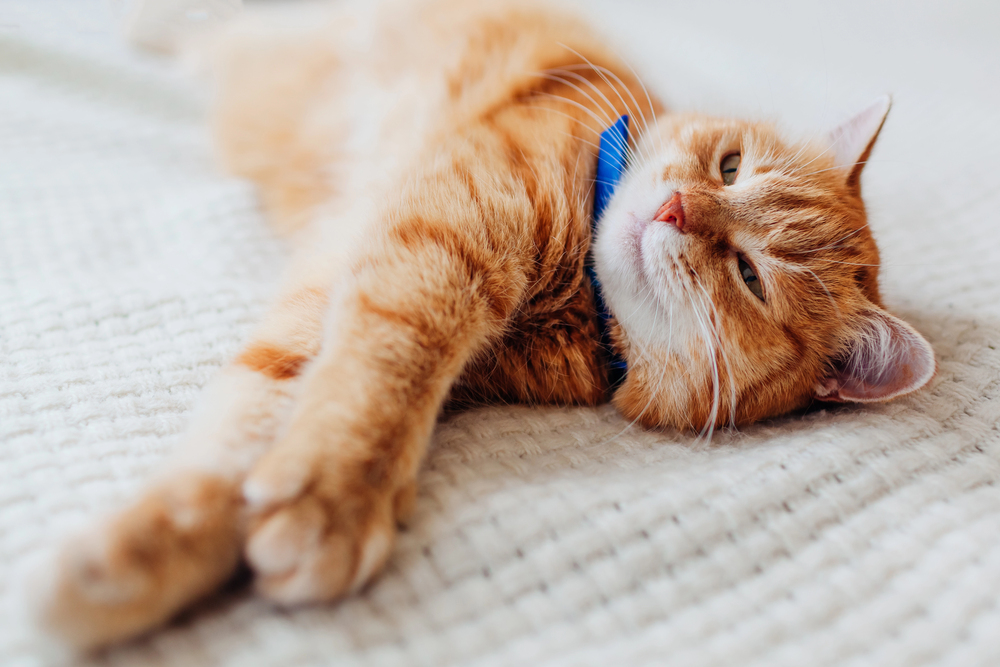
A well-chosen cat collar does more than add style—it can help your cat stay safe by carrying an ID tag or a GPS tracker for a quick return home, signaling their presence with a bell, and improving nighttime visibility with reflective designs. But if your cat has sensitive skin, choosing the right collar can feel like a challenge. Some collars can rub, cause itching, or even lead to irritation that leaves your cat uncomfortable. Ideally, you want a collar that keeps your furry friend safe while also being gentle enough to prevent skin problems.
Certain materials and designs are much better suited for cats with delicate skin, and knowing what to look for can make the decision far simpler. By prioritizing comfort, safety, and soft, skin-friendly fabrics, you can choose a collar that not only keeps your cat protected but also feels gentle and comfortable to wear. Follow these steps to find a collar that suits your cat best.
Choose collars made from soft, breathable materials like cotton or silk to reduce irritation.
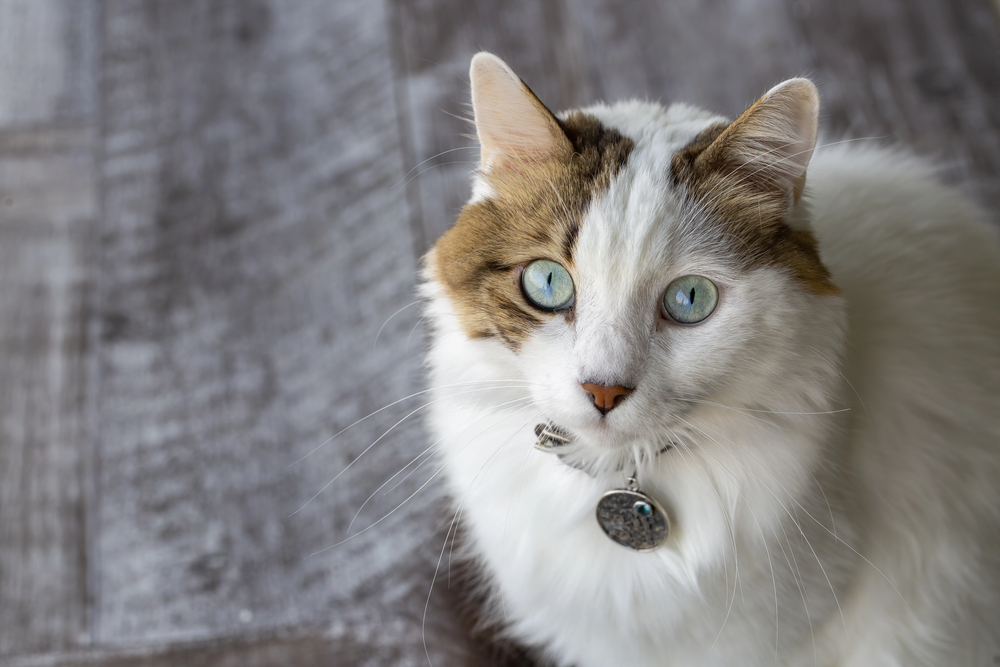
Cats with sensitive skin can be easily irritated by rough or synthetic fabrics. Natural fibers like cotton and silk offer a gentler touch, minimizing rubbing and friction. They also allow better airflow, helping the skin stay dry, comfortable, and less prone to irritation.
Cotton collars are lightweight, easy to clean, and hold their shape well, making them a comfortable everyday option. Silk collars, by contrast, are exceptionally soft and delicate, which can be especially soothing for cats with easily irritated skin.
For added protection, you can choose a gentle cat flea collar from Fur Life. This type of collar combines soft materials with natural flea and tick defense, which means your cat will stay comfortable while also receiving long-term protection.
Always check the fit of the collar. A proper fit allows you to slip two fingers between the collar and your cat’s neck. This prevents tightness while still keeping the collar secure.
Opt for Beastie Bands collars, known for their soft, stretchy, and lightweight design.
Beastie Bands collars are made from soft neoprene—the same flexible material used in wetsuits. This fabric is gentle against your cat’s skin and avoids the rough edges that can lead to irritation. Their lightweight design also reduces pressure on the neck, making them especially comfortable for sensitive cats.
These collars are easy to customize since they can be trimmed to size, ensuring a snug yet comfortable fit. A secure Velcro closure keeps the collar in place without the bulk of stiff buckles. Many cats tolerate this style better than traditional collars because the stretchy material offers a bit of give, helping them feel less restricted while still providing a safe spot for an ID tag.
Beastie Bands also come in a wide variety of colors and patterns, so you can choose a style that matches your cat’s personality without compromising comfort or safety. For another gentle option, consider silicone collars such as Kittyrama or Nuvuq, which are designed to be soft, lightweight, and kind to sensitive skin.
Consider silicone collars such as Kittyrama or Nuvuq, which are gentle on sensitive skin.
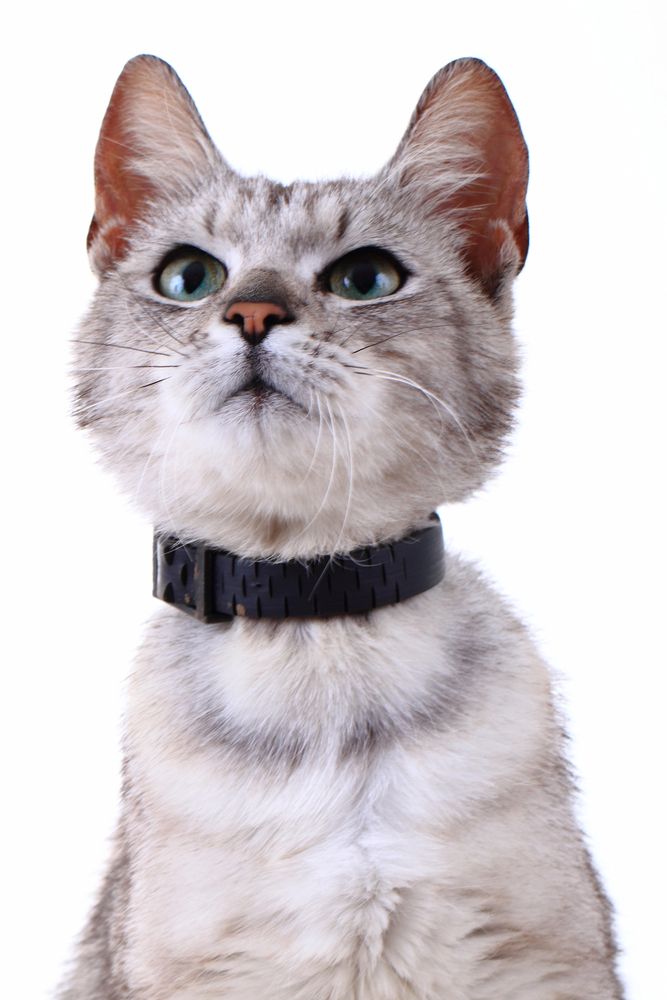
Silicone collars are an excellent alternative for cats that react to nylon or leather. Soft and flexible, they rest comfortably on the neck without excessive rubbing, making them especially suitable for cats with delicate skin.
Brands like Kittyrama and Nuvuq use lightweight silicone that reduces pressure compared to heavier collars. This helps your cat move, rest, and play freely without feeling weighed down—so they’re less likely to scratch at or resist wearing the collar.
For safety, these collars feature breakaway buckles that release if the collar gets caught, allowing your cat to stay protected while still carrying identification. This design provides peace of mind whether your cat spends time indoors or ventures outside.
Silicone also offers practical benefits: it resists fraying, stays cleaner than fabric, and is easy to wipe down. With fewer irritants and longer durability, silicone collars provide a comfortable, low-maintenance option for cats with sensitive skin.
Select collars with breakaway clasps to prevent choking and skin damage.
A breakaway clasp is designed to release if the collar snags on furniture, branches, or other objects, helping protect your cat from choking accidents. By opening under pressure, it also reduces strain on the neck, which is especially important for cats with sensitive skin.
Unlike standard buckles, breakaway clasps respond to a specific amount of force. If your cat pulls hard enough, the clasp snaps open, freeing them quickly and safely without compromising everyday comfort.
For cats prone to redness or hair loss around the neck, this design offers extra protection. By releasing under tension, it prevents the collar from rubbing or digging into the skin. Many breakaway collars also use lightweight materials and soft fabrics, further minimizing friction and keeping your cat comfortable for daily wear.
Avoid nylon collars if your cat shows signs of scratching or irritation.
Nylon collars are widely used, but they can sometimes irritate cats with sensitive skin. The material may rub against the neck, leading to redness, itching, or small rashes. If your cat frequently scratches around their collar, nylon could be the cause.
Some cats also react to the dyes, fibers, or chemicals in nylon, which can result in sore spots or hair loss if the collar is worn continuously. If you notice any irritation, it’s best to remove the collar right away and allow the skin to heal.
Softer alternatives, such as cotton or lightweight breakaway fabric collars, are usually gentler and help reduce friction. Be sure the collar fits properly—loose enough to slip two fingers underneath—so it doesn’t press too tightly on the skin.
If your cat still scratches after switching materials, the problem may be an allergy or another underlying skin sensitivity. In that case, consult your veterinarian to rule out other causes and find a safe, comfortable alternative.
Final Thoughts
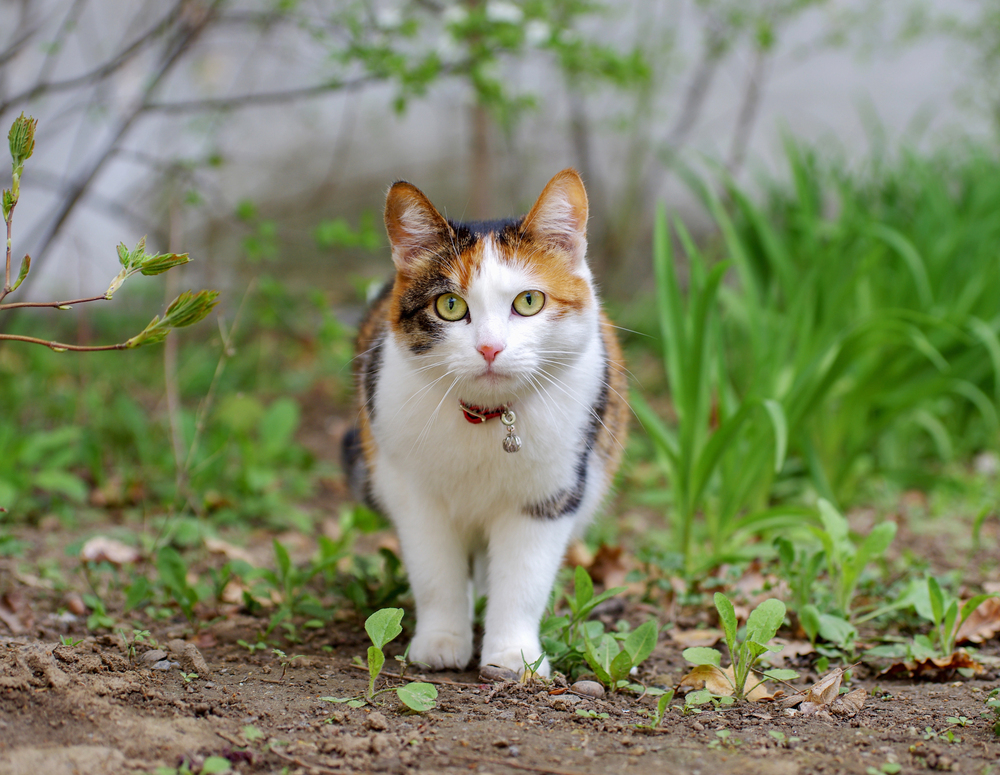
You can help protect your cat’s skin by choosing collars made from soft materials with smooth edges and ensuring a proper fit. A collar that feels gentle reduces rubbing and irritation, keeping your cat comfortable day to day.
Regular checks are also important—adjust the collar as your cat grows or their weight changes to prevent tightness or chafing. These small adjustments go a long way in maintaining both comfort and safety.
By focusing on comfort, safety, and thoughtful design, you offer your cat a collar that supports their health while serving an important everyday purpose.
This post contains Amazon links. If you click on a link and make a purchase, I will earn a small commission that helps to fund this blog. Thanks!