
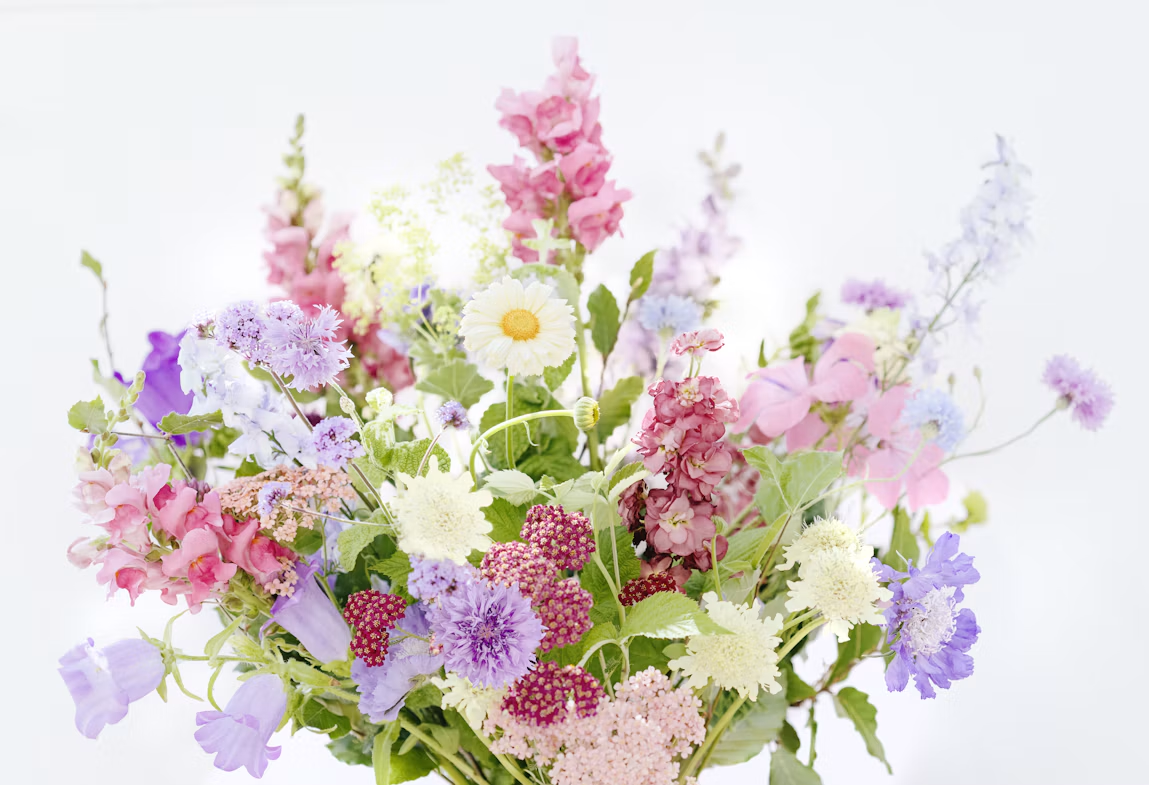
Your sister’s birthday arrives once a year, and the right bouquet can say more than any greeting card. Yet plenty of buyers end up grabbing the first arrangement they see, without thinking much about meaning, season, or personal taste. This guide walks you through a deliberate, step-by-step approach so the blooms you hand over actually match the person who unwraps them.
Why Flower Symbolism Matters More than You Think
Most competitor guides list popular stems—roses, sunflowers, tulips—and stop there. Symbolism, though, runs deeper than a generic “roses mean love.” Victorian-era floriography assigned specific meanings to dozens of individual flowers, and many of those associations still shape how Americans interpret a bouquet today. A quick example: Pink roses signal gratitude and admiration, while deep red roses lean romantic. Hand your sister a dozen red roses, and the message lands awkwardly.
Here’s a cheat sheet organized by the emotion you want to express:
- Gratitude and admiration – pink roses (the “Sweet Avalanche” variety is a popular choice for its soft, blush tone)
- Joy and energy – sunflowers (Helianthus annuus, native to North America, domesticated around 3000 BCE)
- Playfulness and nostalgia – gerbera daisies (consistently one of the most popular cut flowers worldwide)
- Deep bond and loyalty – alstroemeria, sometimes called the “friendship lily,” with each bloom carrying 6 petals
- Elegance with a bold edge – stargazer lilies, first hybridized by Leslie Woodriff in California in the 1970s
Knowing the intent behind your gift removes guesswork. Pick the emotion first, then the flower.
Match the Bouquet to Your Sister’s Personality
Competitors rarely address personality-based selection beyond vague advice like “think about what she likes.” Let’s get specific.
The Minimalist Sister
She keeps a tidy apartment, favors neutral tones, and owns exactly two throw pillows. A monochrome arrangement works best here —think 15 to 20 white ranunculus stems in a simple glass cylinder. Ranunculus blooms hold up for 7 to 10 days when you trim stems every 48 hours and keep water below 65 °F.
The Bold, Color-Loving Sister
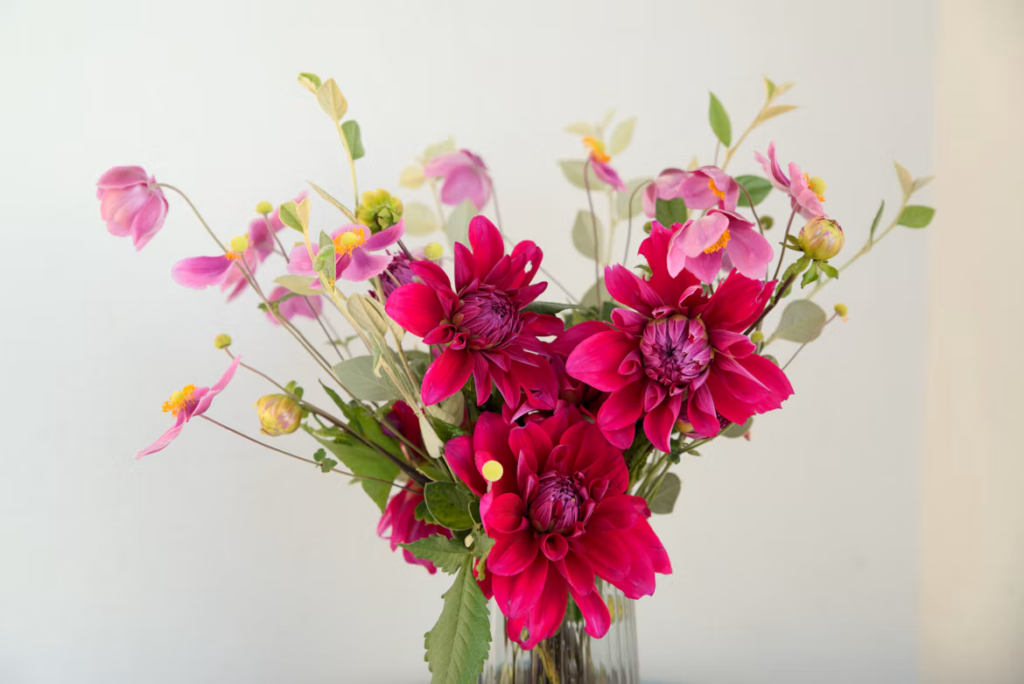
She paints accent walls coral. She wears statement earrings. Go vivid: Mix hot-pink peonies with orange dahlias and deep-purple lisianthus. Peony season in the U.S. runs from April through June, so plan around that window. Outside peony season, substitute garden roses (“Juliet” or “Caramel Antike” varieties) for a similar ruffled texture.
The Nature-Obsessed Sister
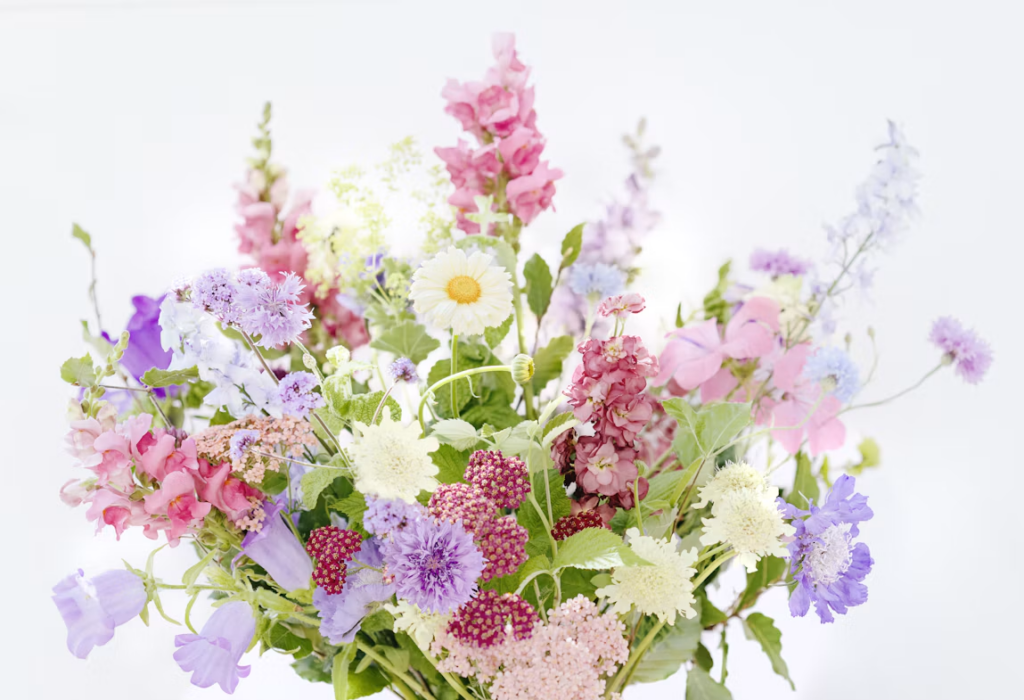
She hikes on weekends and grows herbs on her windowsill. Skip the polished arrangement. A wildflower-style bunch–featuring Queen Anne’s lace, chamomile, lavender, and scabiosa – feels closer to a meadow than a florist’s cooler. Add eucalyptus for scent. Eucalyptus lasts up to 3 weeks in a vase.
The “I Kill Every Plant” Sister
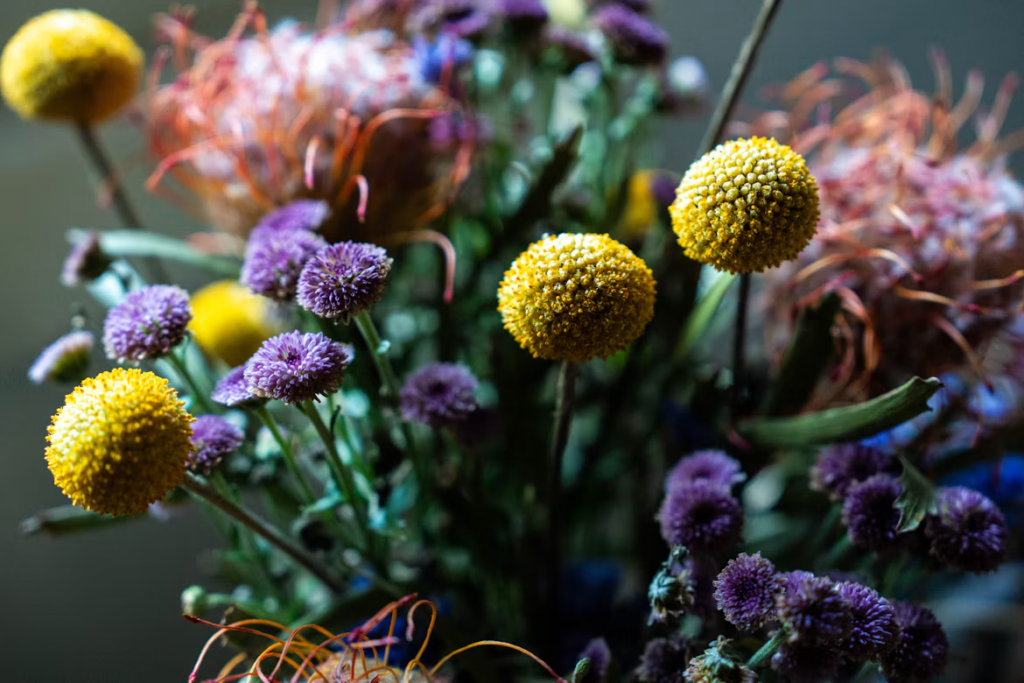
Dried flower arrangements have grown steadily more popular in recent years. A thoughtfully designed dried bouquet–featuring preserved roses, bunny tails, and pampas grass–lasts over a year. Some people advise against dried flowers for birthdays, calling them “lifeless.” I disagree. A high-quality dried arrangement carries texture and warmth that many fresh bouquets lack.
Seasonal Timing: When to Lean into What’s Available
Buying in-season cuts saves money and gets you fresher stems. Here’s a quick seasonal breakdown for the continental U.S.:
| Season | Peak blooms | Average price per stem (USD) |
|---|---|---|
| Spring (Mar–May) | Tulips, peonies, lilacs, hyacinths | $1.50–$4.00 |
| Summer (Jun–Aug) | Dahlias, zinnias, sunflowers, sweet peas | $1.00–$3.50 |
| Fall (Sep–Nov) | Chrysanthemums, marigolds, celosia | $1.25–$3.00 |
| Winter (Dec–Feb) | Amaryllis, anemones, hellebores, camellias | $2.00–$5.00 |
Winter birthdays often cost more per stem because growers import heavily from Colombia and Ecuador, the two largest suppliers of cut flowers sold in the United States. Ordering 5 to 7 days ahead gives florists time to source directly, cutting markups by roughly 15 percent.
Presentation Details Most Guides Skip
The vessel matters. A $60 bouquet stuffed into a Dollar Tree vase undercuts the gesture. Consider these pairing tips:
- Wrap stems in kraft paper and twine for a rustic, hand-delivered feel
- Choose a ceramic pot in a muted glaze for minimalist arrangements
- Use a vintage-style pitcher (thrift stores sell these for $3 to $8) for wildflower bunches
- Add a handwritten note–even two sentences on a blank card outweigh a pre-printed message
One more thing competitors rarely mention: fragrance sensitivity. A meaningful share of people report sensitivity to strong floral scents. Lilies and gardenias top the “high fragrance” list. Ask your sister casually – or choose low-scent blooms like tulips and ranunculus – rather than risk triggering a headache on her birthday.
Ordering Smart: Budget, Delivery, and Freshness
The average American spends between $35 and $75 on birthday flowers for sister, based on florist industry estimates. That range buys a solid mixed bouquet from most online services. A few practical moves stretch the budget further:
- Skip premium add-ons like stuffed animals and balloons–these inflate cost by $10 to $25 without adding floral value
- Choose “designer’s choice” options when a florist offers them, because the florist uses the freshest stock on hand
- Confirm the delivery window–same-day orders placed before 12:00 PM local time typically arrive by 6:00 PM
- Request a photo of the finished arrangement before dispatch, a service many florists now offer at no extra charge
Long-distance delivery across the U.S. generally costs $12 to $20 for standard shipping. Expedited options push that to $25 or more. Planning 3 days ahead saves both money and stress.
Flowers to Approach with Caution
Not every bloom sends the right birthday signal. Yellow carnations historically symbolize rejection or disappointment. White lilies carry strong funeral connotations in many American households. And while poppies look gorgeous, cut poppies wilt within 24 hours–a poor choice for a lasting impression.
I’d also avoid overly generic mixed bouquets from grocery store coolers. Those pre-made wraps often sit for 4 to 6 days before purchase, meaning the stems already have shortened vase lives. A smaller, fresher arrangement from a local florist outlasts a large supermarket bunch every time.
Your Next Step–and a Personal Take
I’ve given flowers to my own sister for over 15 years, and the arrangements that landed best were never the most expensive. They reflected something specific: her favorite color (dusty mauve), a memory (sunflowers from our grandmother’s garden), or a running joke (a single, dramatic bird-of-paradise). The specificity made the difference.
Start by asking yourself one question: What would make her laugh, tear up, or immediately post a photo? That emotional target narrows your flower choices faster than any listicle. Let that answer guide you toward real options, then adapt based on everything you’ve read here. The bloom that matches your sister’s personality–not just the season or the trend–will always feel like the right one.