A tight budget doesn’t mean a house has to feel small forever. A full-scale addition runs $80 to $200 per square foot to build out, which puts a modest 10-foot by 10-foot room at roughly $12,500, according to Angi. That’s before permits. Most homes already have unclaimed square footage hiding in closets, garages, basements, and the odd dead corner nobody’s touched in years. Here are seven ways to free that space up, or add to it, without a moving truck.
Clear Out What You’re Already Paying to Store
The fastest and cheapest way to add space to a home is to remove what doesn’t belong in it. Roughly one in ten American households currently rents a self-storage unit, and a standard 10-by-10 unit averages $119 a month nationally, according to SpareFoot. Clear out a garage, basement, or spare closet well enough to actually use it, and that rent disappears. So does the need for the unit in the first place.
A few categories tend to fill up fastest and get used least:
Sell or donate anything untouched for a year. Clothing, sports gear, and kids’ toys are the usual offenders.
Digitize what can be digitized. Old paperwork, photos, and manuals sit in drawers for no reason once they’re scanned.
Set a one-in, one-out rule for anything new that comes into the house afterward. Otherwise the clutter creeps right back.
Bring In Furniture That Pulls Double Duty
Multi-functional furniture turns one room into two without adding a square foot. A wall bed folds a guest bedroom into a home office or playroom during the day. Storage ottomans and benches hide linens or seasonal gear in plain sight. Nesting tables and drop-leaf dining tables shrink when a room needs breathing room and expand when company shows up.
This isn’t about buying more furniture. It’s about swapping single-purpose pieces for ones that quietly do two jobs, usually for less than either a renovation or a bigger mortgage.
Reclaim Dead Corners, Closets, and the Space Under the Stairs
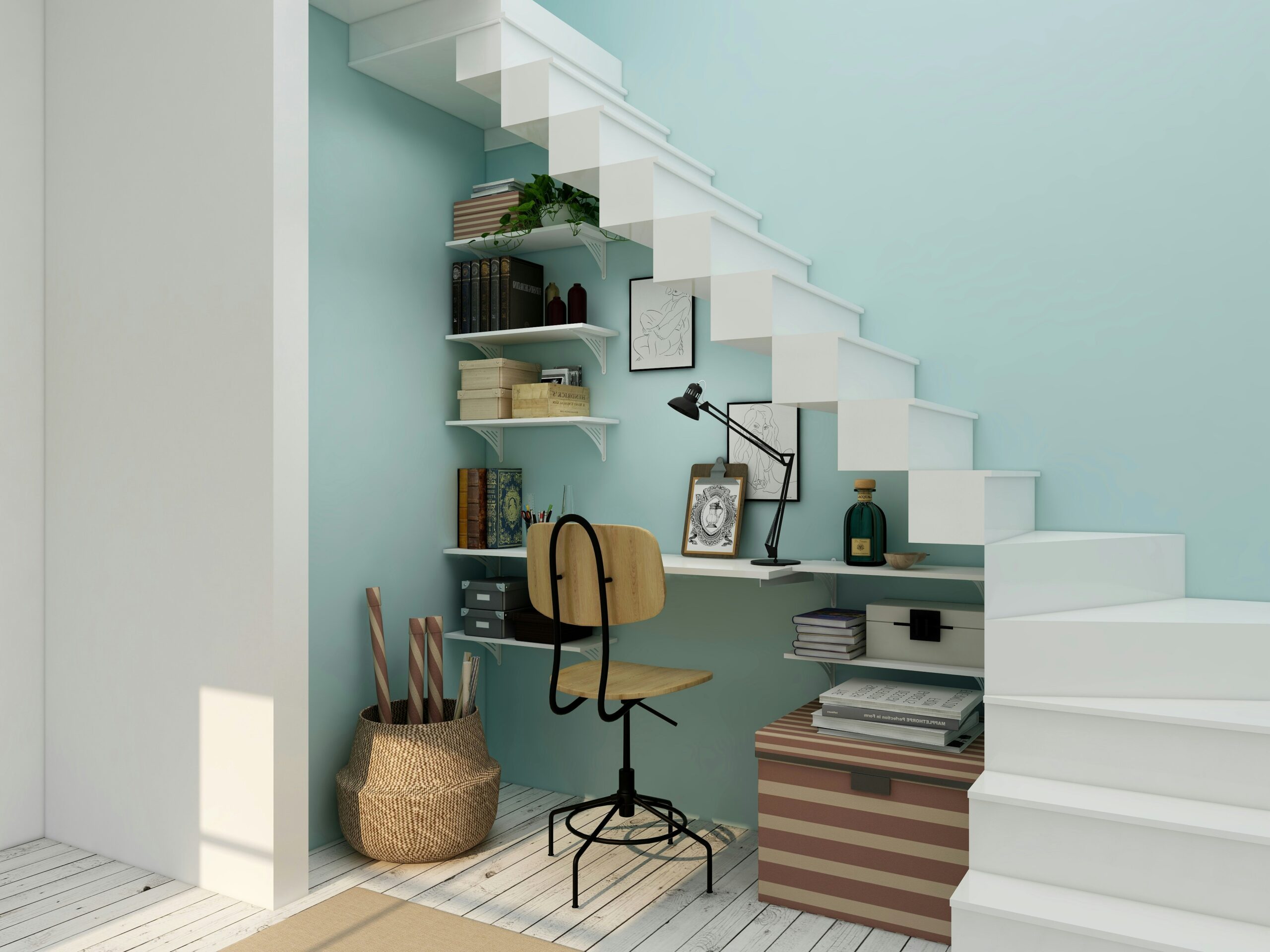
Every home has a few pockets that never get used: the triangle under a staircase, the back three feet of a walk-in closet, a blank wall beside a chimney. A few hundred dollars in shelving, paint, and lighting turns any of those into a mudroom nook, a pantry, or a small desk setup.
Organizing what’s already there matters as much as adding new bins. Redditors working with tiny kitchens have popularized sorting items into zones based on how they’re actually used, rather than by whatever happens to fit on a shelf. It’s a habit that works just as well in a hall closet or a basement corner.
Turn the Garage, Basement, or Attic Into Real Storage
Basements, attics, and garages already come with a roof, walls, and a floor. That makes organizing them one of the cheapest ways to unlock hundreds of square feet without touching a stud. The problem in most homes isn’t a lack of space in these areas. It’s that boxes get stacked on the floor instead of the walls.
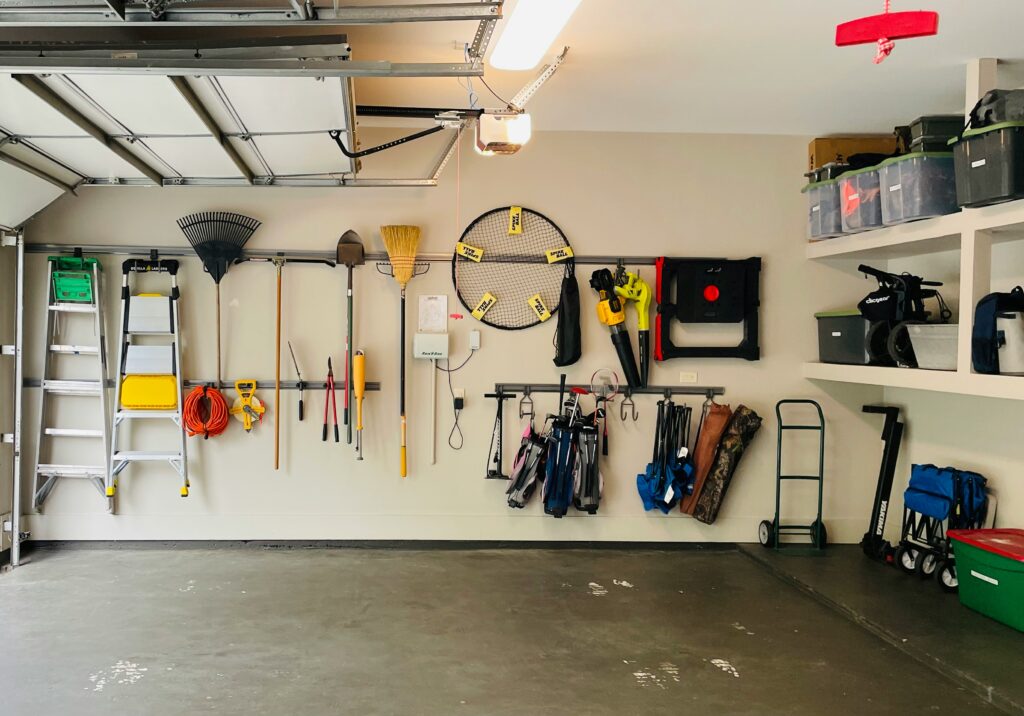
Wall-mounted pegboards, magnetic strips for small tools, and angled PVC holders for rakes and brooms can clear an entire garage floor. Clear the floor and suddenly there’s room for a car, a workbench, or a home gym.
Add a Shed for the Overflow
A basic backyard storage shed costs a fraction of a home addition. Homeowners typically spend between $1,875 and $8,250 on one, with a national average around $3,350, according to LawnLove. That’s enough to absorb lawn equipment, bikes, and seasonal decorations currently living in a garage or a spare closet, freeing that indoor space for things people actually use every day.
A shed won’t fix everything. It’s still an outdoor structure without climate control. But dollar for dollar, it’s one of the cheapest ways to turn clutter into usable indoor square footage.
Consider a Shipping Container for Storage or a Backyard Studio
This is the option most homeowners never think to price out, and it’s often the best value on this list. A steel shipping container placed in a driveway or backyard adds lockable storage or a finished workspace in far less time than a stick-built addition. Containers come in sizes from 8ft up to 45ft, and can be used as-is for weatherproof storage or converted into insulated garden offices, studios, and workshops complete with windows, doors, and electrics, per specifications from Shipping Containers from Universal Containers, which has supplied and converted containers for more than 40 years.
It’s a strong fit for anyone who needs a real home office, craft studio, or workshop but doesn’t have the room, or the budget, for a traditional addition. One thing worth doing first: check local zoning and permit rules, since some municipalities regulate accessory structures by size, height, or how close they sit to a property line.
Go Vertical With Shelving and Built-Ins
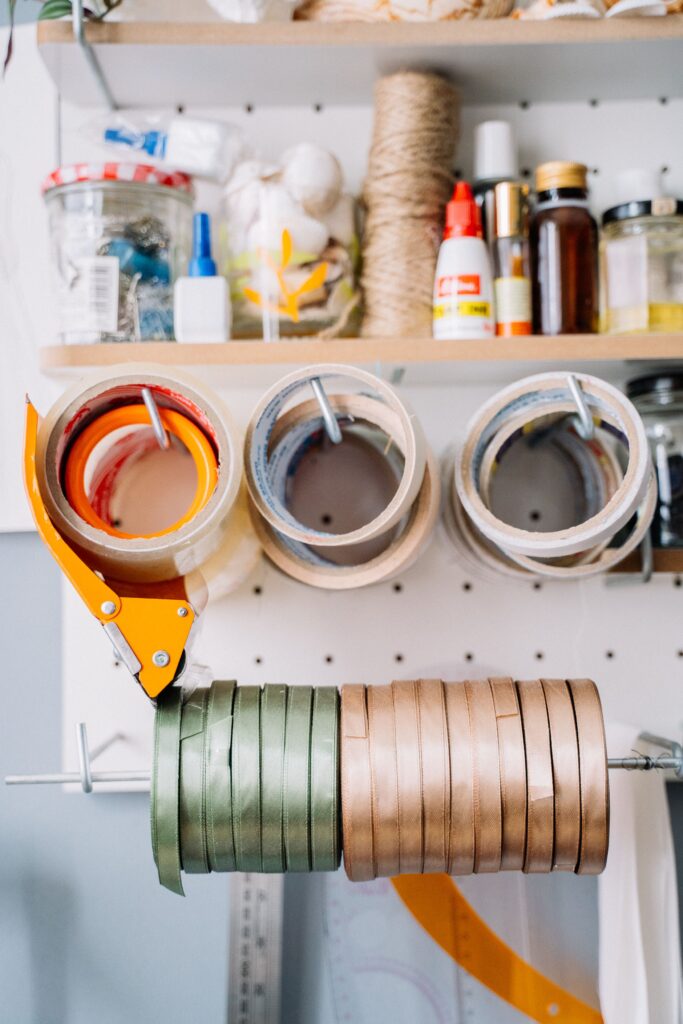
Floor space runs out fast. Wall space almost never does. A tall, narrow bookcase holds as much as a low, wide one while eating up half the footprint. Pegboards and floating shelves in a craft room or kitchen keep supplies visible and off the counters. Over-door racks handle shoes, cleaning supplies, or pantry goods in a spot that would otherwise sit empty.
Built-in cabinetry costs more than a freestanding shelf. But even one custom built-in around a window or along an awkward wall adds storage a house never had, and it does it without shrinking the room itself.
Start With What Costs Nothing
None of this requires a moving truck or a construction loan. Decluttering, reorganizing, and rearranging furniture cost little beyond a weekend. The next tier up, a shed or a shipping container, adds real square footage for a fraction of what a traditional addition runs. Pick the single most overstuffed room in the house, clear it out this week, and see what’s actually left. Sometimes what’s left needs building on. More often, it just needed a better system.