Water is a basic necessity of everyday life but it can also turn into one of the most destructive forces in a home if it ends up where it should not be. Kitchens and bathrooms are susceptible areas because they include multiple spots that have water supply lines, drains, fixtures or appliances connected to them as well as surfaces like countertops and flooring that tend to hold moisture. An inconsequential leak under the sink or a failing shower seal can seem small, but moisture exposure is dangerous to cabinets, flooring, drywall and other elements of the home over time.
The bright side is that a lot of water-related issues can be detected as well as fixed with simple inspections and regular upkeep. Homeowners do not need to be plumbing experts—they just need to know where the focus needs to be and what warning signals should not be missed.
Be Aware of Where Water Damage Begins
Many people think that water damage in a home begins with a dramatic pipe bursting. Oftentimes, it grows slowly from a delayed leak or seal that is worn down or a fixture that has begun to disintegrate.
Common trouble spots include:
- Pipes and connections beneath sinks
- Faucets and supply lines
- Toilets
- Shower and bathtub seals
- Dishwasher connections
- Refrigerator water lines
- Drains
- Water heaters
- Damaged caulk and grout
A home leak preventative strategy is to regularly examine these areas rather than waiting until water appears on the floor or ceiling.
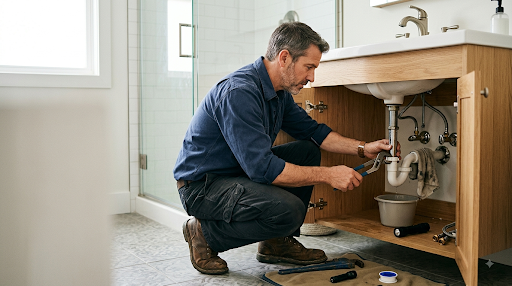
Check Under Sinks Regularly
Cabinets under kitchen and bathroom sinks are a prime place to neglect. Being sealed, a tiny leak may persist for days before anyone is aware of it.
Here you want to do a more thorough inspection every couple of weeks:
- Damp cabinet surfaces
- Water stains
- Warped or swollen wood
- Corrosion around connections
- Drips from Supply or Drain Pipes
- Musty odors
Also be careful after using the sink. If moisture initially forms around a connection when running water, this is an indication that there may be an issue that needs to be investigated.
Our cabinet is also relatively uncluttered, which makes these inspections much easier.
Look out for Taps and Fittings
A dripping faucet is more than an inconvenience. It may reveal worn-out internal parts or faded seals. Similarly, moisture there after the base of a faucet is probably not going to harm an edge or cabinet if water streams underneath it again and again.
Ensure all faucets are periodically checked for drips, loose handles, corrosion and moisture surrounding faucet bases. Think of the more complex problem: a fixture that continues leaking long after an easy adjustment or component replacement.
Check For Leakages From Toilets
Another place water can be hidden inside the house is in toilets. Inspect the perimeter of the foundation for moisture, stains or the degradation of surrounding flooring.
A toilet that rocks or moves like the one where someone who sits on it should also be included in the spotlight. More warning signs are unexplained water around the connection to your supply, or a toilet that seems to fill more than usual.
With many bathrooms containing wood-based flooring or subflooring beneath finished surfaces, longterm moisture can create a far bigger issue than the original leak.
Protect Showers and Bathtubs
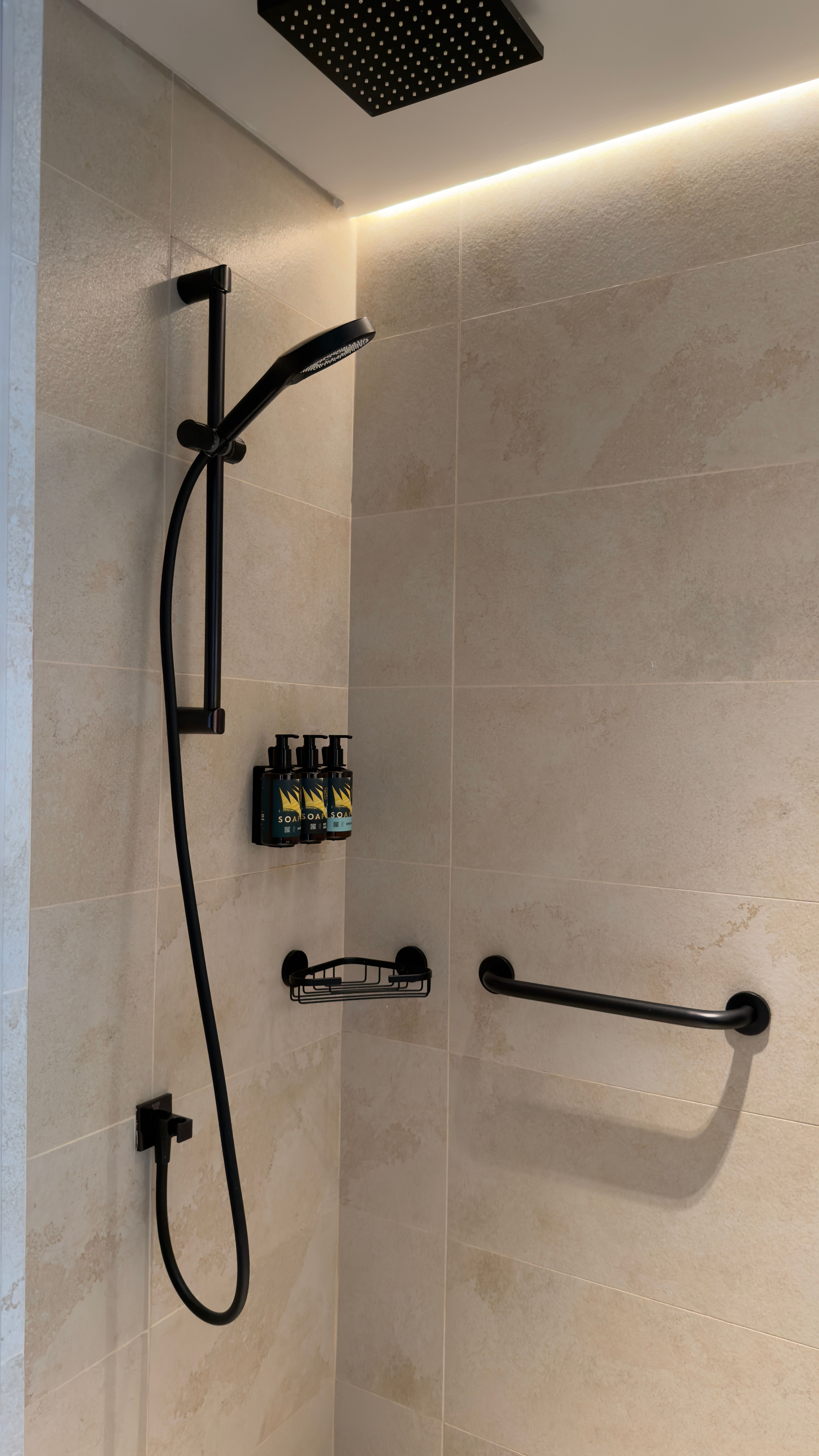
Since shower and tub areas are watered on a daily basis, their seals should be checked regularly. Over time, caulk around tubs, shower doors, corners and fixtures crumbles. Grout additionally breaks, loosens up or structures holes.
When seals become compromised, instead of water remaining inside the wet area, it can migrate behind surfaces.
Look for:
- Cracked or missing caulk
- Loose grout
- Discoloration
- Soft or damaged wall surfaces
- Non-shower water overflow
Re-caulking preventively as regular maintenance will help keep water where it should be.
Check Water-Using Kitchen Appliances
Another way for water damage. Any water supply and drainage connections for dishwashers or refrigerators with water dispensers or ice makers should absolutely be taken into consideration.
Regularly check visible hoses and fittings for cracks, corrosion, bulges or wetness Installation and replacement Installer The way an appliance is hooked up, also makes a big difference when installing or replacing it because improper hookups can lead to leaks and far from good appliance performance.
This is especially critical after relocating an appliance, as connections can become strained or dislodged.
Keep Drains Clear
Slow drains are typically an early symptom rather than something to be dismissed. Grease and food particles are typical buildup elements found in kitchen drains, whereas bathroom drains tend to accumulate hair, soap scum, and other debris.
Whenever relevant, use drain strainer units and restrict sending fat, large food bits or inappropriate stuff down your kitchen sinks.
BATHROOMS: In bathrooms, you should be regularly removing hair and debris that has built up on the covers of your drains.
If a drain is constantly slow or blocked even after being properly cleaned up, the problem may be further down your pipes.
Control Bathroom Humidity
Plumbing leaks are not the only cause for moisture problems. Showers and baths create high humidity naturally in bathrooms.
Run the exhaust fan while you are showering then leave it on for a bit to dry things out. When practicable, wipe standing water off surfaces and allow wet areas to dry.
Consistent condensation, flaking paintwork, or moldy smells and repeating damp patches may be a sign that air flow requires attention or there is moisture entering an area where it needn’t exist.
Learn the Early Warning Signs
Homeowners must take unexplained moisture into account. The usual indications of water damage is growing:
- Musty odors
- Discolored walls or ceilings
- Bubbling or peeling paint
- Warped cabinets
- Damaged flooring
- Mold or mildew
- Unexplained increases in water consumption
- Unusual sounds from pipes
- Persistent dampness
They may not indicate exactly where the source is, but they give good clues that something deserves a closer look.
Make a Basic Monthly Check-list
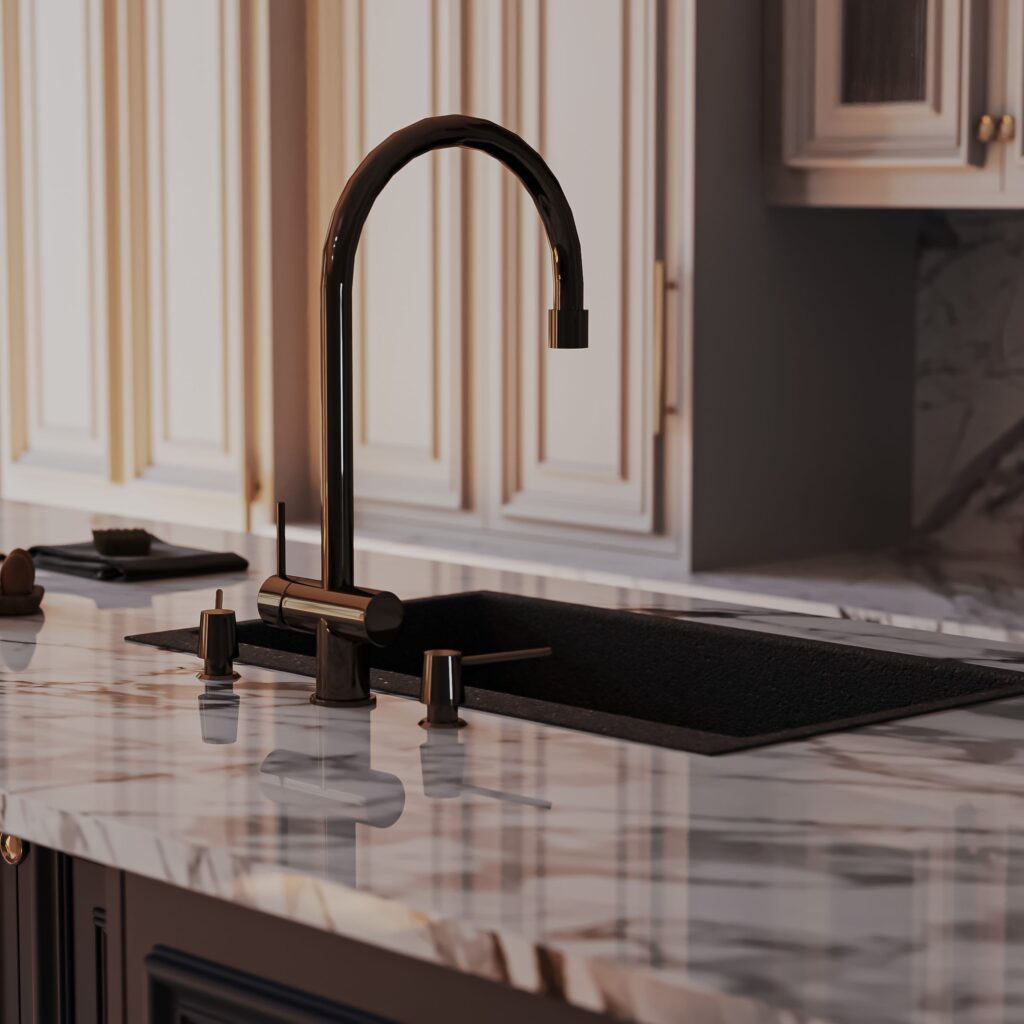
For homeowners, a well-timed and regular inspection may be all it takes to avert major repairs before they occur.
Look under kitchen and bathroom sinks, look at exposed supply connections, look around the base of toilets, check shower and tub seals and see if drains are slow. You should also examine all the appliance water connections and reach out to repair any if you smell unusual odors or notice changes in your water usage.
For homes using more methodical approaches, with a basic maintenance calendar to assist with maintaining these tasks so they don’t fall by the wayside.
Figure out when a problem is more than you can handle
While some maintenance is pretty straightforward, not all plumbing issues lend themselves to the home repair. The cause should be determined if water continues to leak but appears inside a wall or ceiling, repeatedly backs up, or is accompanied by sudden changes in water pressure.
Professional plumbing companies like My Local Plumber regularly handle issues related to leak detection, clogged drains, pipe repairs, fixtures, toilets and kitchen & bathroom plumbing. Homeowners should note that these problems need to be repaired before the moisture creates a wider atmosphere for plumbing issues to create property damage elsewhere.
When you Find a Major Leak What Should You Do?
Act swiftly in case of a significant leak. If one is available, turn off the fixture shutoff valve. If it is a bigger leak, you might have to turn off the main water line of the house.
After it can be done safely move away any possessions from near the area that has been impacted as well as remove stagnant water. They may even be able to provide a solution that does not involve opening walls or doing any difficult repairs until they help you identify exactly where the water is coming from. Make sure to document any visible damage as best you can, but do not open up walls or try complicated replacements without first finding out what caused your problem in either case.
It is not about just drying the visible water. It also needs to identify and fix the source.
Final Thoughts
Not all water damage is caused by continuous plumbing activities or something similar. It begins with observing the points of water through which we use daily.
Spotting problems in their inception, typically by regularly checking common problem areas such as sink cabinets, faucets, toilets and shower seals along with appliance connections and drains. Add proper bathroom ventilation and fixing leaks promptly, and that’s another layer of defense.
The best advice homeowners can follow is simple: check often, respond to red flags as they present themselves and get on top of the water rather than treating ongoing moisture issues like a minor inconvenience. A couple of minutes evaporating preventive maintenance maintains the civilities, appearance and life of a house.