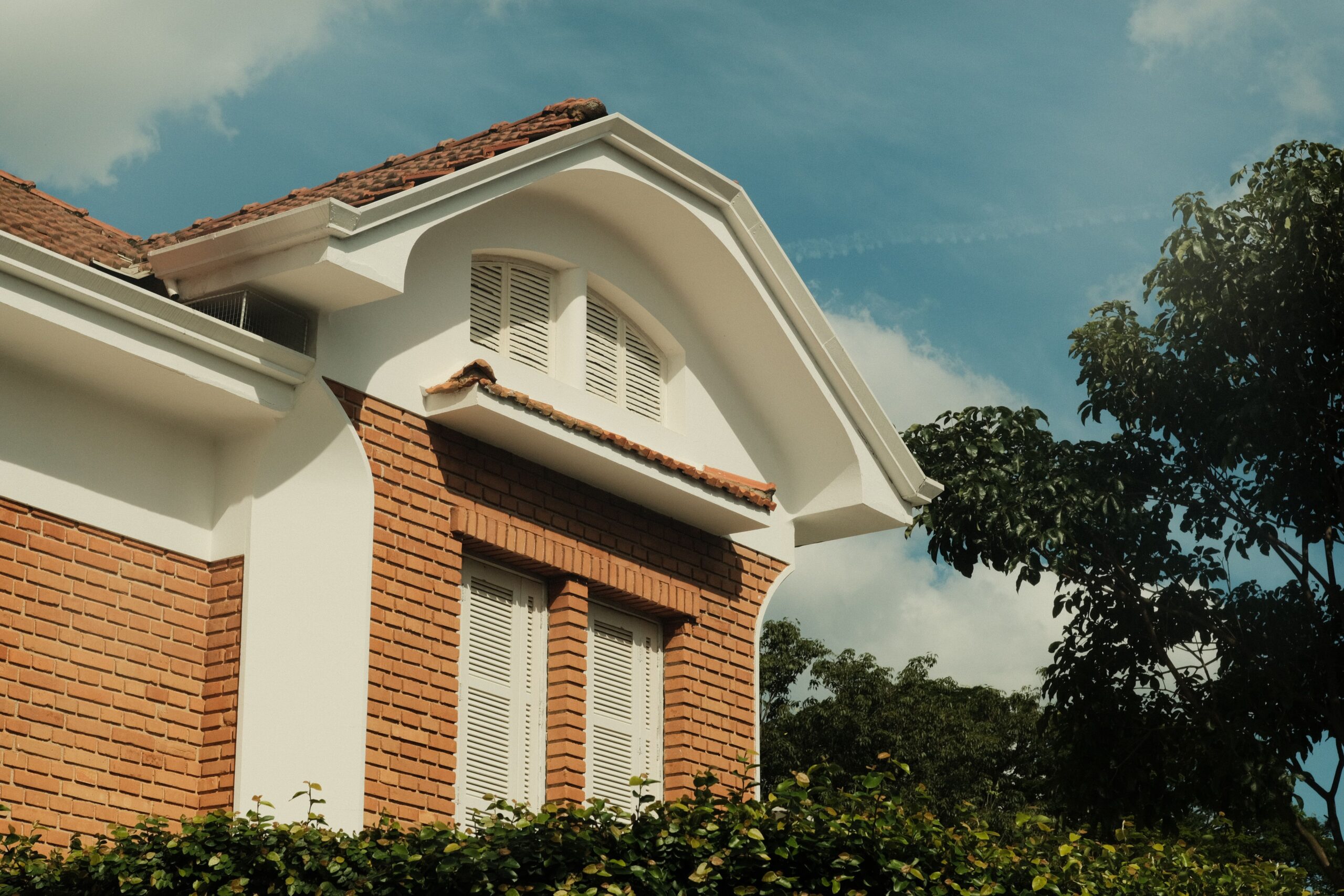
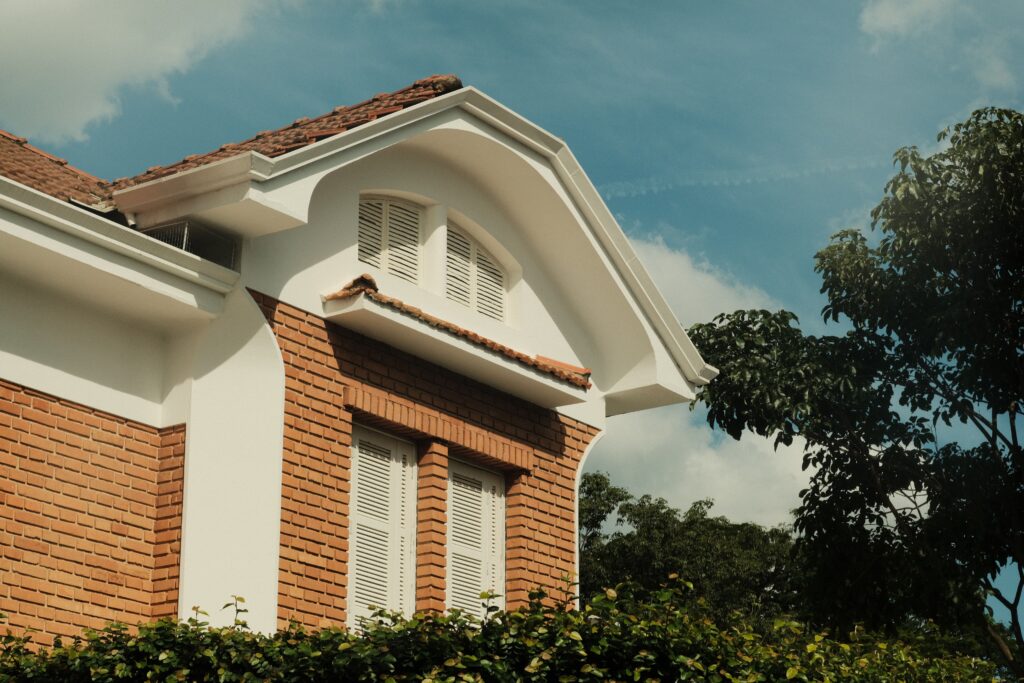
The exterior materials used on a building have a major influence on its overall appearance. Brick, stone, metal, wood, concrete, stucco, and siding can each create a different architectural character, while also affecting how a building relates to its surroundings.
Full-depth brick masonry is not always the most practical choice for every construction or renovation project. This is one reason brick veneer for commercial buildings is often considered when architects and property owners want to introduce the texture and character of brick without relying on a full masonry wall. The same approach can also work on residential properties, mixed-use developments, retail spaces, offices, and other structures where brick is being used primarily as an exterior finish.
When the color, scale, pattern, and placement are carefully selected, brick veneer can help give a building more depth, definition, and architectural interest.
Why Can Brick Change the Character of a Building?
Large exterior walls can sometimes feel flat when they rely on a single finish.
Brick introduces natural variation through individual units, mortar joints, surface texture, and subtle differences in tone. These details create shadows and visual depth that can make even a simple facade feel more considered.
Brick does not necessarily need to cover the entire building.
It can be used to emphasize:
- Main entrances
- Ground-floor sections
- Columns
- Storefronts
- Exterior feature walls
- Reception areas
- Courtyards
- Chimneys
- Outdoor gathering spaces
- Sections between windows
Using brick selectively can often create more impact than covering every available wall.
Using Brick to Define Entrances
Entrances naturally attract attention, which makes them one of the most effective places to introduce a contrasting material.
On a home, brick veneer may frame the front door or wrap porch columns. On an office, apartment building, hotel, or retail property, it can help distinguish the main entrance from the rest of the facade.
The brick should work with nearby materials rather than appear as a separate decorative element.
For example, warmer brick colors can pair well with timber and bronze details, while darker or more restrained brick tones may complement black metal, large windows, concrete, and contemporary lighting.
A clear material change around an entrance can also help visitors understand where they are expected to enter the building.
Breaking Up Large Exterior Walls
Commercial, residential, and mixed-use buildings can all include broad sections of relatively uninterrupted wall.
Using the same material across an entire elevation can sometimes make those areas feel visually heavy or repetitive.
Brick veneer can help divide a facade into more manageable sections.
It may be used:
- Around windows
- Along the ground floor
- Across recessed sections
- On projecting walls
- Around entrances
- Between different building volumes
The transitions should follow the architecture.
Ending brick at a corner, change in wall depth, window line, or another natural architectural break usually creates a cleaner result than stopping the material in the middle of an open wall.
Brick Veneer for Different Types of Buildings
Brick is not limited to one architectural style or property type.
The way it is used can change significantly depending on the building.
Residential Buildings
On houses, townhomes, and apartment buildings, brick can add warmth and texture to entrances, garages, columns, lower walls, and shared outdoor areas.
It can also help newer residential buildings feel more connected to neighborhoods where masonry is already common.
Retail Buildings
Retail exteriors often need to feel inviting while still supporting signage, windows, and brand identity.
Brick can create a strong background for storefronts without competing with displays or signs. It can also help smaller retail units feel more established within a larger commercial development.
Offices
Office buildings often combine glass, metal, concrete, and masonry.
Brick can soften more industrial materials while still maintaining a professional appearance. It may work particularly well around entrances, ground-floor walls, courtyards, or shared exterior spaces.
Hospitality Properties
Hotels, restaurants, and entertainment venues often use materials to create a specific atmosphere.
Brick can help introduce warmth around entrances, patios, outdoor dining spaces, reception areas, and exterior feature walls.
Mixed-Use Developments
Mixed-use buildings frequently combine residential, retail, and commercial spaces within the same structure.
Different materials can help visually separate these functions.
For example, brick at street level may give shops and restaurants more character, while simpler materials above can keep upper residential floors visually lighter.
Can Brick Work With Modern Architecture?
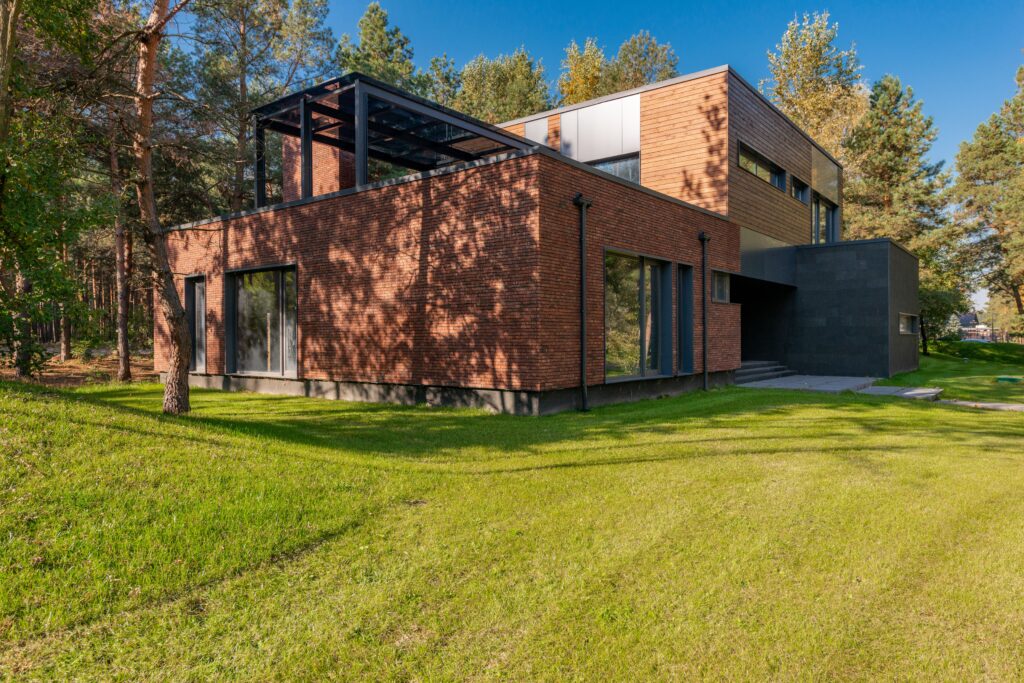
Brick is often associated with traditional architecture, but it can also work well on contemporary buildings.
The finished appearance depends heavily on:
- Brick shape
- Color
- Mortar color
- Joint style
- Installation pattern
- Surrounding materials
Longer brick profiles, restrained colors, and clean mortar joints can create a more contemporary appearance.
Dark grey, charcoal, cream, or muted brown brick can work alongside materials such as glass, steel, concrete, and smooth render.
Modern design generally benefits from keeping the number of exterior materials controlled. Brick can provide texture while flatter materials provide visual contrast.
Combining Brick With Other Exterior Materials
Brick usually works best as part of a wider exterior material palette.
Metal
Metal panels, window frames, canopies, railings, and roofing can provide a clean contrast against the texture of brick.
Glass
Large glass sections can make a building feel lighter, while brick gives nearby walls more visual weight.
Concrete
Concrete and brick can work well together on contemporary and industrial-style properties, particularly when their colors are relatively restrained.
Wood
Timber can soften masonry and introduce additional warmth around entrances, soffits, patios, or feature areas.
Stucco or Render
Smooth rendered surfaces create a strong textural contrast with brick while allowing the masonry to stand out.
Siding or Panels
Cladding panels can be combined with brick to divide larger buildings into separate visual sections.
The goal should not be to introduce every available material. A smaller number of coordinated finishes usually creates a more cohesive exterior.
Choosing Brick Color for a Larger Building
Brick color can influence the appearance of the entire property, particularly when the material covers a large portion of the facade.
Before selecting a brick, compare it with:
- Roofing
- Window frames
- Doors
- Metalwork
- Signage
- Concrete
- Paving
- Other wall finishes
- Landscaping
- Nearby buildings
The surrounding environment can matter too.
A brick color that looks appropriate on a small sample may appear very different once it covers hundreds of square feet.
For larger projects, viewing full sample panels or completed installations can provide a more accurate sense of the final result.
Why Mortar Matters
Mortar can significantly change how brickwork is perceived.
A contrasting mortar color makes individual bricks and joints more visible. A closer color match creates a more unified surface.
The joint style can also affect whether the finished wall feels traditional, rustic, clean, or contemporary.
Mortar should therefore be selected as part of the overall design rather than after the brick has already been chosen.
This becomes particularly important on larger walls, where mortar accounts for a considerable part of what people see from a distance.
Using Brick at Ground Level
The lower floors of a building are often experienced at a much closer distance than upper levels.
People walk beside them, enter through them, sit near them, or view them from sidewalks and parking areas.
Because of this, adding texture at ground level can have a strong visual effect.
Brick can be used around:
- Storefronts
- Building entrances
- Lobby walls
- Covered walkways
- Courtyards
- Ground-floor windows
- Outdoor seating areas
A more detailed material at pedestrian level can also help a large building feel less imposing.
Connecting Buildings With Outdoor Spaces
Exterior design extends beyond the main walls of a building.
Patios, courtyards, terraces, pathways, outdoor kitchens, and seating areas can all benefit from materials that relate back to the architecture.
Repeating similar brick tones in selected outdoor features can create continuity between the building and its surroundings.
For example, brick used on an exterior wall may be echoed in:
- Planters
- Seating walls
- Outdoor fireplaces
- Patio features
- Landscape walls
- Columns
The materials do not need to match perfectly.
Using related colors or textures is often enough to create a visual connection.
Can Brick Help With Building Identity?
Materials can contribute to how easily a building is recognized and remembered.
A distinctive brick facade, entrance wall, or ground-floor treatment can become part of the property’s visual identity.
This can be particularly useful for offices, restaurants, hotels, apartment developments, and retail properties where the exterior contributes to how visitors experience the building.
However, brick should support the overall architecture rather than become the only feature competing for attention.
Signage, lighting, windows, landscaping, and entrances should all work together.
How Much Brick Should Be Used?
There is no single correct amount.
The appropriate coverage depends on the scale, architecture, and purpose of the building.
A small property may benefit from one strong brick feature, while a larger commercial building may use brick across several connected elevations.
The most important consideration is whether the placement makes architectural sense.
Brick can feel disconnected when it appears on several unrelated sections without a clear pattern.
A better approach is to identify the parts of the building that need more emphasis and use brick consistently in those areas.
Why Installation Quality Matters
The appearance of brick veneer depends heavily on installation.
Inconsistent spacing, awkward cuts, repetitive patterns, poorly finished corners, or uneven mortar joints can make the surface look less convincing.
Transitions also require careful planning.
Brick may need to meet:
- Windows
- Doors
- Metal panels
- Siding
- Roofing
- Concrete
- Other masonry
- Exterior fixtures
These connections should look intentional.
For exterior applications, the wall system behind the finished surface is also important. Proper preparation, flashing, drainage, moisture management, and installation procedures can all affect long-term performance.
Manufacturer specifications and applicable building requirements should always be followed.
Practical Considerations Beyond Appearance
Brick veneer is usually selected partly for its visual qualities, but design decisions should also consider the conditions of the project.
Important factors may include:
- Climate
- Wall construction
- Exposure to moisture
- Building height
- Drainage requirements
- Installation system
- Maintenance
- Local building requirements
- Product suitability for the intended application
The requirements of a residential entrance may be different from those of a large office, restaurant, apartment building, or retail property.
The entire wall system should therefore be considered rather than choosing the veneer based only on color or texture.
Avoiding an Overly Busy Exterior
Brick already introduces a significant amount of texture.
When it is combined with many different wall materials, strong colors, complex signage, decorative paving, and detailed landscaping, the building can quickly become visually crowded.
A useful approach is to decide which elements should attract attention first.
If the entrance is the main focal point, brick can strengthen that area while nearby walls remain simpler.
If the building has a strong central section, prominent ground floor, or distinctive corner, masonry can reinforce those architectural features instead.
This creates a clear visual hierarchy.
Final Thoughts
Brick veneer can change the appearance of many types of buildings by introducing texture, depth, contrast, and stronger architectural definition.
It can be used on homes, offices, retail properties, apartment developments, hospitality spaces, and mixed-use buildings, either across larger facades or on carefully selected architectural features.
The strongest results come from considering brick as part of the entire building rather than as an isolated finish.
Color, mortar, windows, doors, roofing, metalwork, landscaping, surrounding materials, scale, and installation quality should all be evaluated together. When these elements are coordinated, brick veneer can help create an exterior that feels more complete, balanced, and intentional.