Wall art can change a room’s feel without a major decorating overhaul. The right piece can add color, bring personality, and help the space feel more settled. The key is choosing artwork that works with what is already there instead of making the room feel overly matched.
Start With the Room You Already Have
Before you choose a piece, take a good look at the room itself. Pay attention to the colors, furniture, fabrics, and finishes that already define the space. They can give you a much clearer sense of what kind of artwork will work.
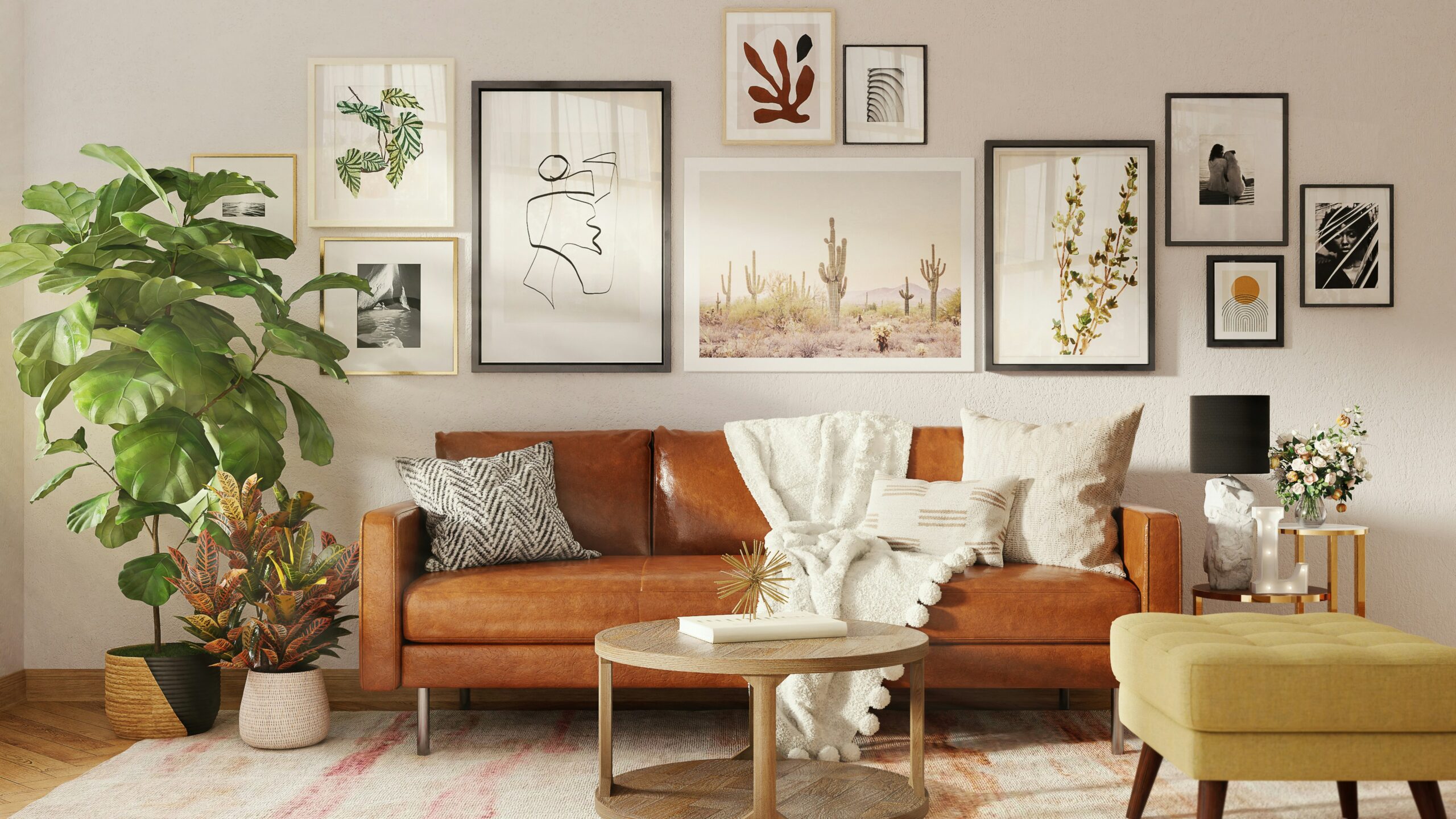
Warm wood tones and soft neutrals may pair nicely with earthy landscapes or vintage-inspired prints. A brighter room may suit bolder color or more graphic artwork. You don’t need to match every detail. A shared color, similar mood, or complementary style is usually enough to create a sense of connection.
Consider Color and Placement
Start by looking at how the artwork will relate to the colors and features already in the room. Its position on the wall should make sense alongside nearby furniture, windows, shelving, and other visual elements rather than feeling isolated from them.
Color can help tie the artwork into the room without making everything look too coordinated. Repeating a shade that already appears in a rug, cushion, curtain, or other detail can create a subtle link. Thinking about how color transforms a home’s mood can also help you decide whether you want the artwork to make the room feel warmer, calmer, brighter, or more energetic.
Placement matters just as much as color. Artwork usually looks best when it feels visually connected to nearby furniture or architectural features. A few measurements before hanging can save time and help the finished arrangement feel more balanced.
Choose a Style That Supports the Room
The artwork should suit the room’s character without copying everything around it. Soft landscapes and botanical prints often work well in quieter spaces, while vintage-inspired pieces can add warmth and personality to rooms with traditional details. More graphic artwork can bring contrast to a simpler interior.
It also helps to think about how the room is used. Bedrooms often suit calmer imagery, while living rooms can handle something with a little more visual impact. A piece from Cherie Kay home decor can work well when the colors, subject, and overall look suit the furniture and finishes already in the space.
The aim is to create a connection without making the room feel overly planned. Artwork should have enough personality to stand on its own while still fitting its surroundings.
Pay Attention to Proportion
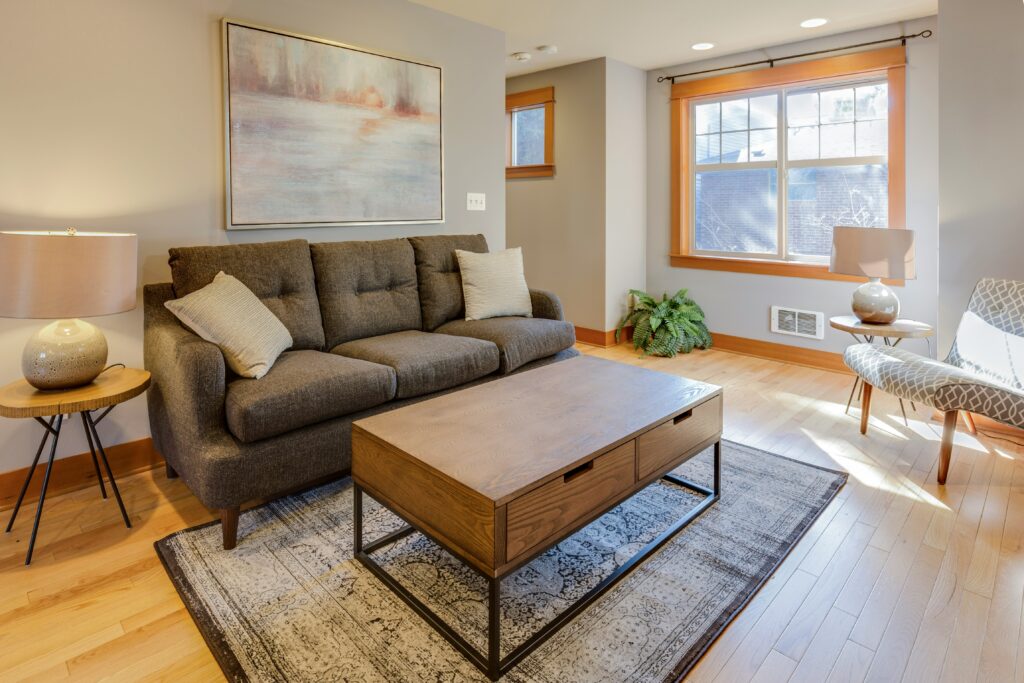
A piece of art needs enough presence to suit the wall around it. If it is too small, it can disappear above a large sofa or bed. If it is too large, it can make the wall feel cramped. Ceiling height, nearby furniture, and open wall space all affect how the artwork looks once it is in place.
Getting scale and proportion right helps the artwork sit more comfortably within the room. A broad wall may suit one substantial piece, while a smaller area may look better with something more restrained.
Before hanging anything, step back and look at the wall as part of the whole room. The artwork should draw the eye without overpowering its surroundings.
Let the Frame Support the Artwork
The frame can greatly affect how a piece reads in the room. A simple wood frame can soften a space with natural finishes, while a slim black frame can add contrast in a lighter or more modern setting. Metallic finishes can work especially well when similar tones already appear in lighting or hardware.
The frame does not need to match every finish in the room. It just needs to sit comfortably alongside the furniture, trim, and nearby materials. Repeating a finish here and there can help create continuity without making the room feel too coordinated.
If the artwork already has a strong color palette or a lot of visual detail, a simpler frame is often a good choice. Quieter artwork can usually handle a frame with a little more character.
Know When to Stop
Not every open wall needs to be filled. Leaving some breathing room around artwork can give each piece more impact and keep the space from feeling busy.
Once everything is in place, look at the room from a few different angles. A wall that seems empty from one spot may already feel complete when viewed alongside nearby furniture, shelving, or another piece of art.
A room usually feels best when the artwork adds something without demanding all the attention. When the scale, color, style, and placement work together, the space feels more personal, comfortable, and finished.