You step out onto the back patio and look at the water. It should be a relaxing oasis. Instead, it just looks tired. The plaster is stained, the decking has seen better days, and the whole setup feels stuck in a previous decade. Having a pool is usually a massive perk for a family. But when it starts showing its age, it often turns into a source of stress rather than a spot for weekend fun. Kids complain about rough surfaces scraping their toes. You spend more time scrubbing mysterious stains than actually swimming. You don’t necessarily have to fill it in and start over. Breathing new life into an aging swimming area just takes a clear plan and a good understanding of what actually needs fixing.
Figuring out if you need a quick fix or a major overhaul
Sometimes a pool looks terrible just because the water chemistry got out of whack. A good shock and a week of aggressive filtering might clear things right up. But physical damage is a different story entirely. Run your hand along the inside of the pool wall. If it feels unusually rough, chalky, or has visible cracks, you are likely looking at material breakdown. Plaster does not last forever. Most surfaces have a functional lifespan of about ten to fifteen years before they start failing. Ignoring this usually leads to leaks, water loss, and much bigger structural headaches down the road. This is when looking into professional pool resurfacing services makes a lot of sense. A new surface instantly changes the entire look of the water. It makes the pool sparkle again while safely protecting the shell underneath. You can even switch from basic white plaster to an aggregate finish for a totally updated texture.Deciding where to spend your budget
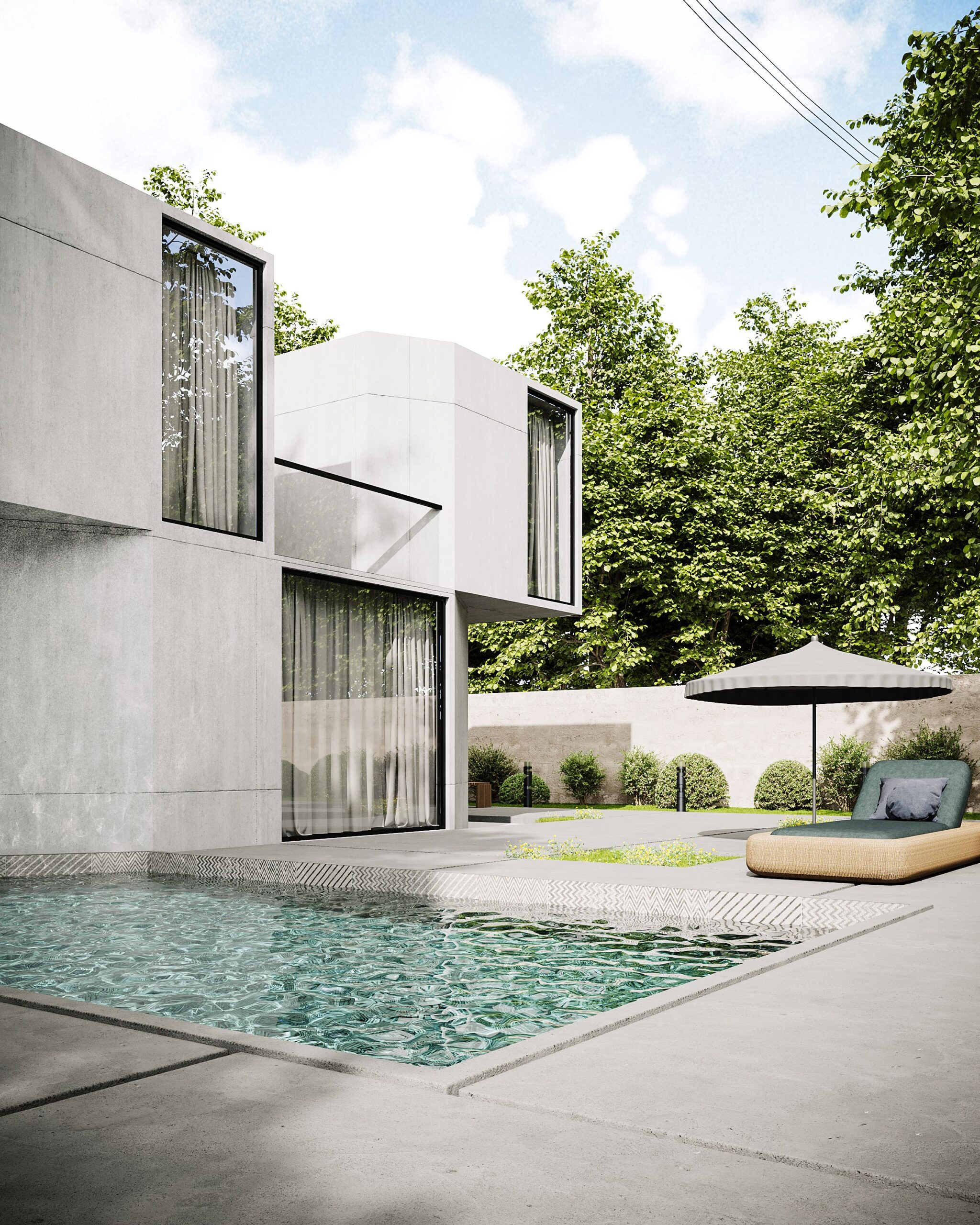
Homeowners often get stuck deciding between purely cosmetic upgrades and deeper structural changes. It helps to weigh the options based on how your family actually uses the backyard.- Changing the tile and coping: Replacing the perimeter water-line tile is relatively quick. It updates the style immediately without completely draining your savings. You can swap outdated blue squares for a modern glass mosaic.
- Adding water features: Kids love playing under waterfalls and bubblers. These require some minor plumbing work, but they add movement and sound that completely transforms the yard’s vibe.Altering the shape or depth: This is a massive commitment. Making a deep end shallower is great for playing volleyball or standing around with drinks, but it costs a lot more than surface-level tweaks.
Why your local climate dictates your choices
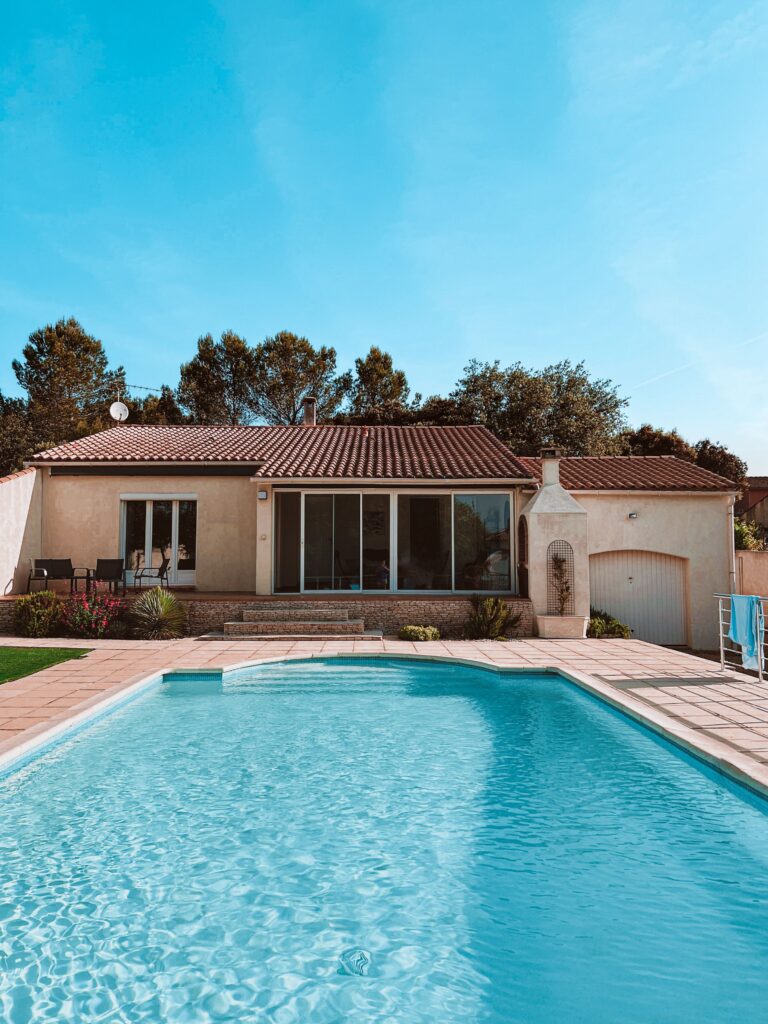
Weather plays a huge role in how materials hold up outside year after year. A family living in a mild, temperate zone won’t face the exact same maintenance hurdles as someone dealing with relentless summer sun and high humidity. Take areas with intense heat, for example. The UV index and ground temperature can absolutely bake outdoor surfaces, causing certain deck materials to crack or pool finishes to fade noticeably faster. If you are planning a pool renovation in Houston or a similarly hot, humid city, picking heat-resistant decking like travertine is usually a smarter long-term move than pouring dark concrete. The stone stays cool under bare feet. And it is not just about the heat. Freezing temperatures in northern states require specific frost-proof tiles to prevent winter shattering. Always choose materials proven to survive your specific zip code, not just the ones that look good on social media.