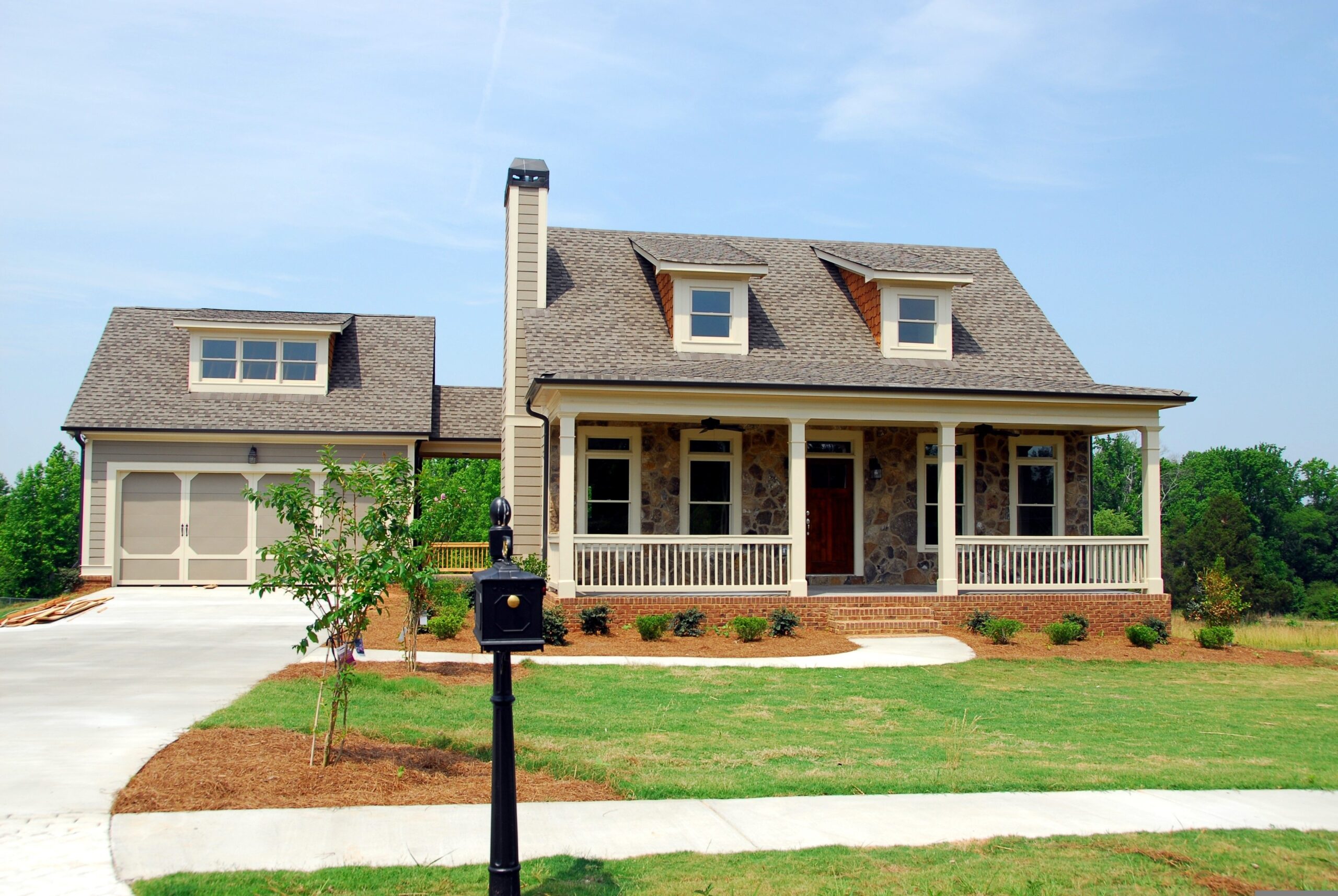
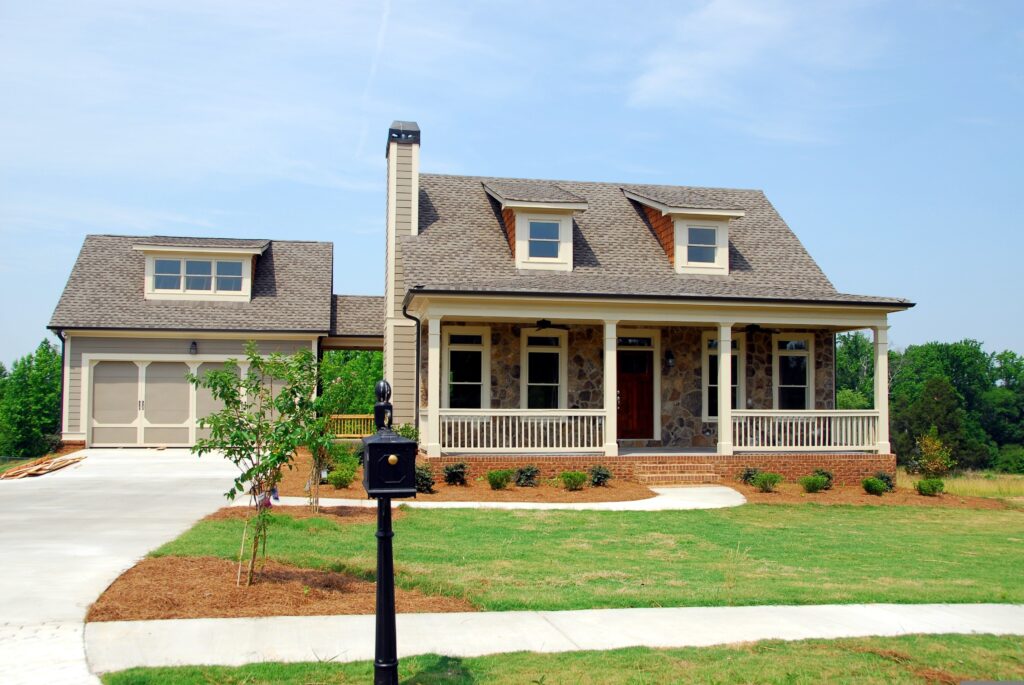
Homes built during the 1980s and 1990s have a particular character that many homeowners appreciate. From established neighborhoods and mature landscaping to traditional architectural details and spacious floor plans, these properties offer a combination of comfort and practicality. However, as these homes approach or pass their 30-year mark, certain components begin to show their age, necessitating a home renovation project. Windows are among the most important features to evaluate because they influence energy efficiency, indoor comfort, natural lighting, and the overall appearance of a property.
For homeowners in Peachtree Corners, Georgia, replacing older windows can be an opportunity to address several issues at once. Hot summers, humid conditions, seasonal temperature changes, and occasional winter cold spells place ongoing demands on residential windows. Understanding the common problems associated with older installations, the available replacement options, and the factors that influence performance can help homeowners make informed decisions. A thoughtful approach to window replacement can improve everyday comfort while preserving the architectural character that makes an older home appealing.
Understanding the Challenges of 1980s and 1990s Windows
Many homes constructed during the 1980s and 1990s were fitted with aluminum, early-generation vinyl, or wood-framed windows. Although these materials were appropriate for their time, window technology has advanced considerably. Modern products generally offer better insulation, improved weather resistance, more effective glazing systems, and a wider selection of frame materials.
One common concern with older windows is deteriorating seals. Insulated glass units rely on sealed spaces between panes to limit heat transfer. As these seals weaken, moisture can enter the space between the glass, creating condensation or a cloudy appearance. This affects visibility and may indicate that the insulating performance of the unit has declined. Older frames can also develop cracks, warping, corrosion, or deteriorating finishes, depending on their original construction and maintenance history.
Another issue involves outdated hardware and weatherstripping. Windows that once opened and closed easily may become difficult to operate because of worn balances, damaged tracks, or shifting frames. Even relatively small gaps around the window can allow outdoor air and moisture to enter the home. Over time, these problems can contribute to uncomfortable rooms, increased energy consumption, and a greater workload for heating and cooling equipment.
How Peachtree Corners Weather Affects Window Performance
Georgia’s climate makes window performance particularly important. Peachtree Corners experiences hot, humid summers when air conditioning systems work hard to maintain comfortable indoor temperatures. Windows that allow excessive solar heat into the home can increase cooling demands, particularly in rooms with large south- or west-facing exposures.
Humidity presents another challenge. When warm, moisture-filled outdoor air encounters cooler interior surfaces, condensation can develop under certain conditions. Poorly sealed windows may also allow moisture to reach surrounding materials, potentially contributing to deterioration around the frame. Proper installation, effective weatherstripping, and suitable glazing help reduce these risks, although no window can compensate for unresolved drainage or ventilation problems.
Winter conditions also deserve consideration. Although winters in the Atlanta metropolitan area are generally milder than those in northern states, cold fronts can bring noticeably lower temperatures. Older single-pane windows or poorly performing double-pane units may create cold spots near exterior walls. Modern insulated glass, low-emissivity coatings, and well-designed frames can help maintain more consistent indoor temperatures throughout the year.
Choosing the Right Replacement Window Materials
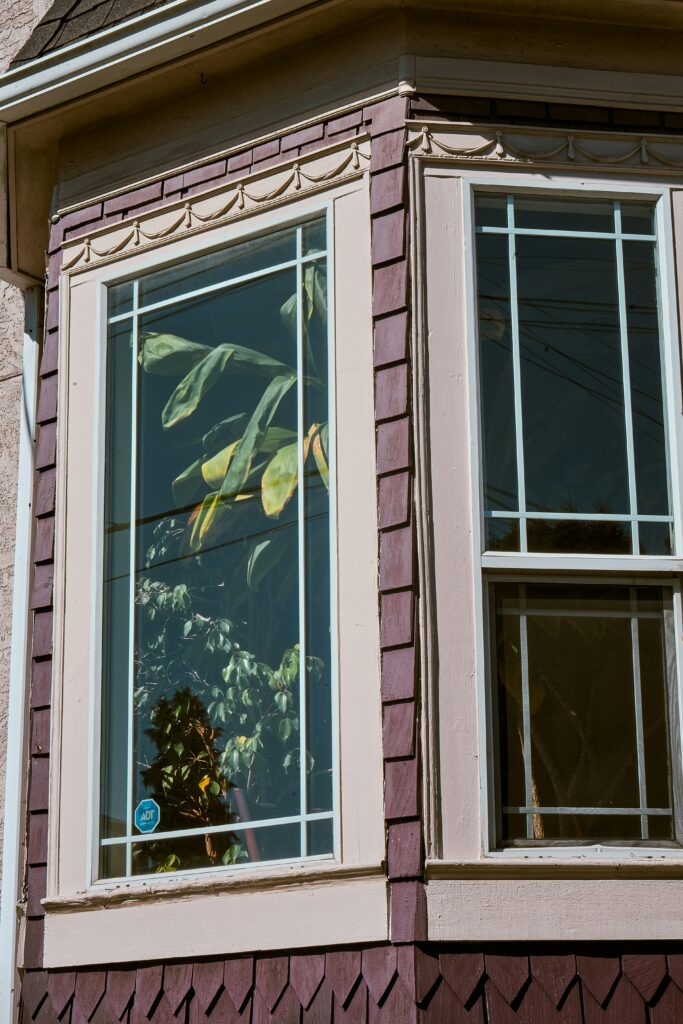
Selecting the right frame material is an important part of planning a renovation project. Vinyl windows are popular because they offer relatively low maintenance, good insulating properties, and resistance to moisture. They do not require regular painting and are available in several colors and finishes. However, product quality varies, so homeowners should compare construction, reinforcement, frame design, and warranty coverage rather than relying on material type alone.
Wood windows offer a traditional appearance that can complement the architectural details of older homes. Their natural insulating properties and design flexibility make them attractive for homeowners who want to preserve a particular aesthetic. Wood requires more maintenance than many alternatives, especially in humid environments. Regular inspection, appropriate finishes, and prompt attention to damaged paint or seals are necessary to protect the frames from moisture-related deterioration.
Fiberglass and composite windows provide additional options. Fiberglass frames are dimensionally stable and generally resist expansion and contraction caused by temperature changes. Composite products combine different materials to balance appearance, durability, and performance. The best choice depends on the home’s design, maintenance expectations, budget, and exposure to local weather conditions.
Understanding Energy-Efficient Glass and Window Features
Modern replacement windows offer features that were not widely available or commonly specified when many Peachtree Corners homes were originally constructed. One important development is low-emissivity, or Low-E, glass. This technology uses a microscopically thin coating to manage heat transfer while allowing natural light to enter. Depending on the coating and glazing configuration, it can help reduce unwanted solar heat gain during warmer months and limit heat loss during cooler weather.
Homeowners should also understand the importance of the window’s U-factor and Solar Heat Gain Coefficient (SHGC). U-factor measures how effectively a window prevents heat from escaping, with lower values generally indicating better insulating performance. SHGC measures how much solar radiation passes through the window. A lower SHGC can be particularly useful in cooling-dominated climates where limiting solar heat gain is a priority.
Other features worth evaluating include insulated double- or triple-pane glass, gas-filled spaces between panes, warm-edge spacers, and effective frame construction. Energy performance should be assessed as a complete system rather than through one specification. The National Fenestration Rating Council (NFRC) provides standardized window ratings that make it easier to compare products using consistent performance measurements. These ratings give homeowners a practical starting point when evaluating different options.
When Repair Makes Sense and When Replacement Is Better
Not every older window needs to be replaced immediately. Some problems can be resolved through targeted repairs. For example, damaged locks, worn weatherstripping, loose hardware, and minor operational issues may be addressed without installing an entirely new unit. Repair can be a sensible approach when the frame remains structurally sound, and the glass is performing adequately.
However, replacement becomes more attractive when multiple problems occur together. Persistent condensation between glass panes, recurring air leaks, deteriorating frames, and windows that no longer operate properly may indicate that the existing units have reached the end of their useful service life. Repeated repairs can eventually become more expensive and less effective than investing in new windows.
A professional assessment can help distinguish between cosmetic problems and more significant performance concerns. It is also important to investigate signs of water damage around window openings before installation begins. Replacing the window without addressing damaged framing, flashing, or drainage can allow the original problem to continue beneath the new installation.
What Homeowners Should Know About the Replacement Process
A successful window replacement project begins with accurate measurements and a clear understanding of the existing openings. Older homes sometimes have windows that differ slightly in size or configuration, even when they appear identical from the outside. A qualified installer should evaluate each opening individually and determine whether replacement inserts or full-frame installations are more appropriate.
Insert replacement generally involves fitting a new window into the existing frame, provided that the surrounding structure is in good condition. This approach can reduce disruption and preserve existing interior and exterior finishes. Full-frame replacement removes more of the existing assembly, allowing the installer to inspect the rough opening, address hidden deterioration, and install new flashing and insulation where necessary. Although it can involve more work, it may be the better solution when the original frame is damaged or unsuitable for reuse.
Homeowners researching window replacement in Peachtree Corners, GA should look beyond the initial price when comparing contractors. Ask about installation methods, product specifications, labor warranties, cleanup procedures, and how unexpected structural problems will be handled. A detailed written estimate should identify the products being installed and clarify which materials and services are included. Checking references, insurance coverage, and relevant licensing requirements can also help establish confidence in the contractor.
Preserving the Architectural Character of Older Homes
One concern among owners of 1980s and 1990s properties is whether modern windows will change the appearance of the house. Fortunately, replacement products are available in numerous styles, frame colors, grille configurations, and finishes. This makes it possible to improve performance without abandoning the original architectural design.
Traditional homes may benefit from double-hung windows that maintain a familiar appearance while incorporating modern glass technology. Casement windows can provide a different aesthetic and offer effective ventilation when appropriately positioned. Sliding windows may suit particular room layouts, while picture windows can preserve expansive views and maximize daylight in spaces where ventilation is not required.
Proportions also matter. Choosing windows with frame dimensions and grille patterns that complement the original design helps maintain visual consistency. Homeowners should consider how the replacement windows will look from both inside and outside the property. Coordinating the frame color with existing siding, brick, trim, and exterior finishes can create a cohesive result.
Budgeting for Window Replacement and Long-Term Value
The cost of replacing windows depends on several factors, including the number of openings, window dimensions, frame material, glass specifications, installation complexity, and the condition of the existing structure. Custom shapes, specialty finishes, and full-frame installations may increase the overall investment. For this reason, homeowners should obtain detailed estimates rather than comparing contractors based solely on a single per-window price.
It is equally important to consider the long-term financial implications. Energy-efficient windows may help reduce heating and cooling costs, although actual savings depend on the condition of the original windows, household energy use, installation quality, and other characteristics of the home. Replacing inefficient windows can also improve comfort by reducing drafts and temperature differences between rooms.
Maintenance and durability should form part of the financial calculation. A less expensive product may not represent the best value if it requires frequent repairs or has limited warranty coverage. Conversely, choosing the most expensive option does not automatically guarantee better performance. Comparing independently rated specifications, installation standards, and product warranties provides a more reliable basis for making a decision.
Preparing Your Home for a Successful Upgrade
Before work begins, homeowners can make the installation process easier by clearing furniture and window treatments away from the affected areas. Valuable items and nearby flooring should be protected, particularly when older frames need to be removed. It is also useful to discuss access requirements, project timing, and expected installation duration with the contractor.
After installation, each window should be inspected for smooth operation, secure locking, proper alignment, and consistent sealing. Homeowners should ask for guidance on cleaning, maintenance, and warranty registration. Any concerns involving drafts, visible gaps, damaged finishes, or water infiltration should be addressed promptly rather than waiting until the next maintenance cycle.
Routine inspections can help extend the useful life of new windows. Checking exterior caulking, cleaning tracks, examining weatherstripping, and keeping drainage pathways clear are straightforward steps that support long-term performance. These small maintenance habits can prevent minor issues from developing into more expensive repairs.
Conclusion
Replacing windows in a home built during the 1980s or 1990s is about more than updating an aging feature. It is an opportunity to improve indoor comfort, manage energy use, address moisture concerns, and refresh the property’s appearance. For Peachtree Corners homeowners, selecting products suited to Georgia’s climate and ensuring that installation is completed correctly are especially important considerations.
The most successful projects begin with a careful assessment of existing windows, followed by informed comparisons of materials, glass performance, installation methods, and overall costs. By prioritizing quality and long-term suitability over short-term savings, homeowners can make improvements that support their property’s value and functionality. With the right planning, modern replacement windows can help an older home remain comfortable, attractive, and practical for many years to come.