Healthy eating is much simpler when your kitchen supports your goals instead of working against them. If nutritious ingredients are hidden, cluttered, or hard to use, takeout and processed snacks become more tempting. Instead, a well-organized kitchen helps you make better choices quickly and makes cooking feel less stressful.
Healthy eating gets easier when the foods you want most are the easiest to see and reach. Keep everyday staples, from fresh fruit and whole grains to chia seeds, herbal tea, or a supergreens supplement, somewhere convenient so they naturally become part of your routine. Think of your kitchen as a daily environment that gently nudges you toward smarter decisions.
Clear Out What You Do Not Need
Start by removing expired foods, duplicate items, and products you rarely use. Check your pantry, refrigerator, freezer, and spice cabinet. Toss anything stale or unsafe, and donate unopened shelf-stable items you know you will not eat.
This step creates space for healthier staples and makes it easier to see what you already have. It also prevents overbuying, which saves money and reduces waste. Once the clutter is gone, organizing becomes much easier.
Create Healthy Food Zones
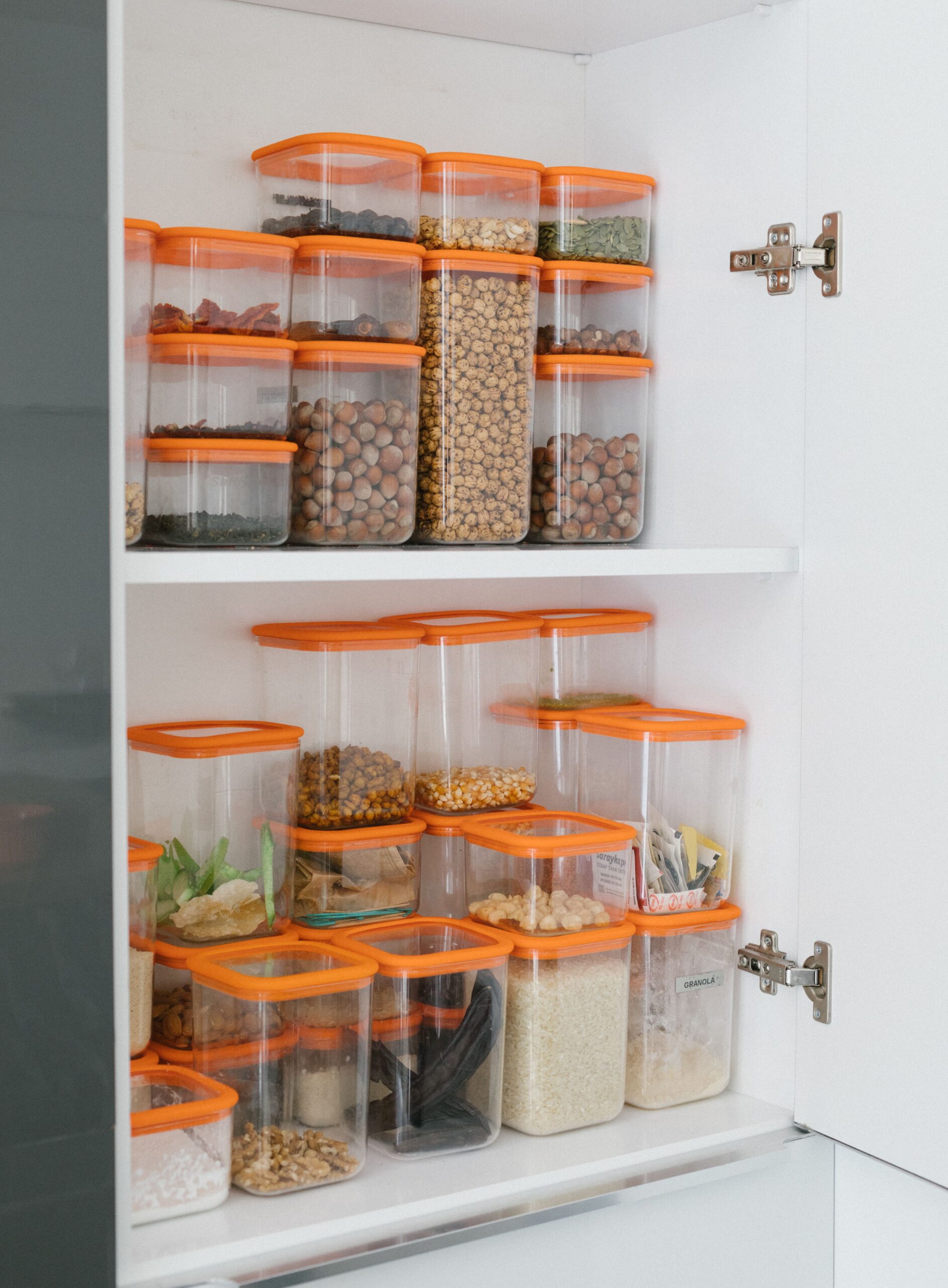
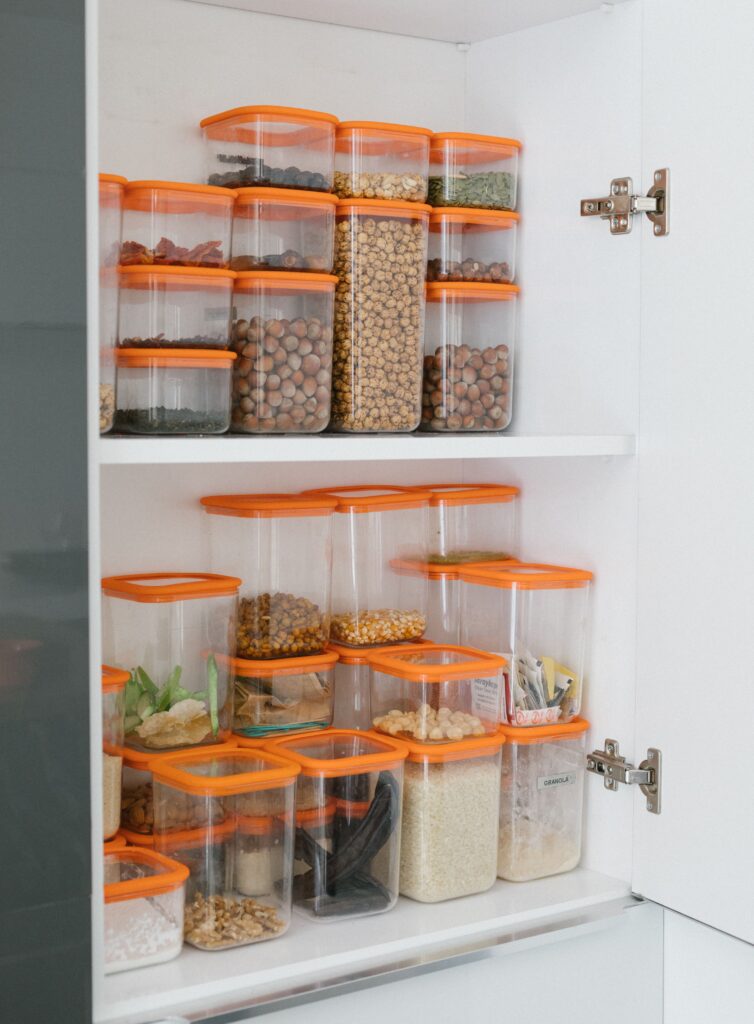
Group similar foods together so you can find ingredients quickly. In the pantry, create zones for whole grains, canned beans, nuts, seeds, healthy snacks, cooking oils, and spices. In the refrigerator, set up areas for fruits, vegetables, lean proteins, dairy or dairy alternatives, and prepared meals.
Food zones make meal prep more efficient. When everything has a place, you spend less time searching and more time cooking. Use clear bins, baskets, or labeled containers to keep each category neat.
Put Nutritious Foods at Eye Level
Visibility matters. Place fruits, chopped vegetables, yogurt, hummus, boiled eggs, or other healthy options at eye level in the refrigerator. In the pantry, keep nuts, oats, brown rice, canned tuna, lentils, and other nourishing staples where you can easily see them.
Less nutritious snacks do not need to disappear completely, but they should not be the first thing you notice. Store them higher up, lower down, or in opaque containers. This simple change can reduce mindless snacking.
Prep Ingredients in Advance
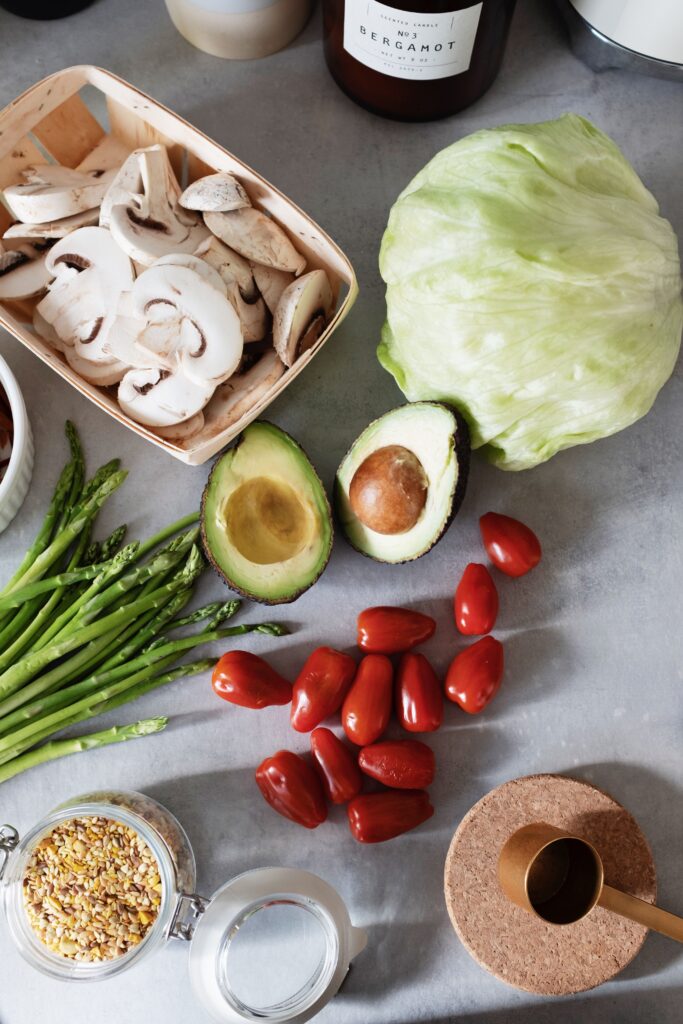
A few minutes of preparation can make healthy meals much easier during a busy week. Wash and chop vegetables, cook a batch of grains, portion snacks, and prepare proteins ahead of time. Store everything in clear containers so you can quickly assemble salads, bowls, wraps, or stir-fries.
Prepped ingredients help remove barriers. If vegetables are already washed and ready, you are more likely to eat them. If cooked quinoa or chicken is waiting in the fridge, dinner becomes faster than ordering delivery.
Stock Smart Staples
Keep your kitchen supplied with versatile healthy basics. Good options include oats, beans, lentils, brown rice, quinoa, whole-grain pasta, canned tomatoes, frozen vegetables, eggs, Greek yogurt, olive oil, spices, and low-sodium broth.
Frozen produce is especially useful because it lasts longer and is often just as nutritious as fresh. With the right staples, you can make soups, grain bowls, omelets, smoothies, and quick skillet meals without needing a last-minute grocery run.
Organize Your Tools for Easy Cooking
Healthy eating also depends on having the right tools. Keep cutting boards, knives, measuring cups, pans, and storage containers easy to reach. Store appliances you use often, such as a blender or air fryer, on the counter or in a convenient cabinet.
A simple, functional setup encourages you to prepare meals at home more often.
Use Labels and Clear Containers
Clear containers help you see what you have, while labels prevent confusion. Label grains, flours, nuts, seeds, and leftovers with names and dates. This is especially helpful for freezer meals and bulk pantry items.
Labels also make it easier for everyone in the household to maintain the system. When people know where things belong, the kitchen stays organized longer.
Plan Before You Shop
Before grocery shopping, check your kitchen and make a simple meal plan. Choose a few breakfasts, lunches, dinners, and snacks for the week. Then create a list based on what you need.
Shopping with a plan helps you avoid impulse purchases and ensures you have ingredients for balanced meals. It also makes your organized kitchen easier to maintain because every item has a purpose.
Keep the System Simple
The best kitchen organization system is one you can maintain. Do not overcomplicate it with too many containers, labels, or rules. Focus on making healthy foods visible, accessible, and easy to prepare.
A kitchen that supports healthy eating does not have to be perfect. It just needs to make nutritious choices feel convenient. With a clear layout, smart staples, and a little preparation, you can turn your kitchen into a space that makes eating well easier every day.