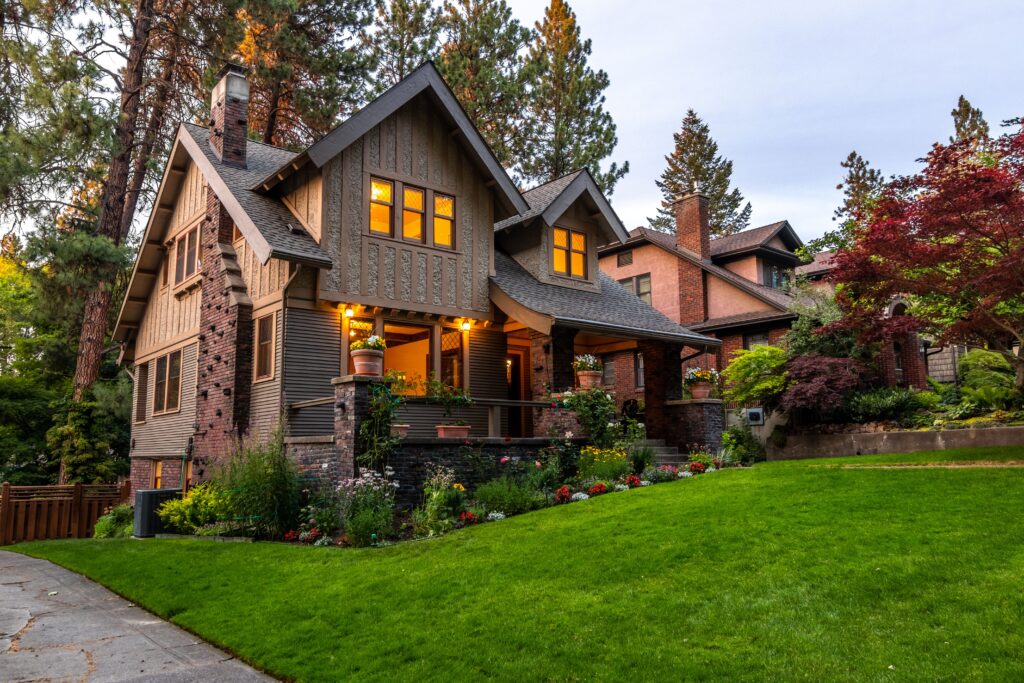
Walk through any garden center in spring and you can feel it happening. The flats of flowers. The cute little shrubs with tags promising year round color. You load up the cart, head home, and start squeezing things into every open spot. Two seasons later, the yard looks busy, crowded, and somehow less impressive than before.
That’s because the yards that stop people on the sidewalk almost never win on plant count. They win on design. Ask any professional landscaping company what separates a forgettable yard from a gorgeous one, and you’ll hear some version of the same answer. It comes down to structure, space, and restraint.
Here’s what the pros pay attention to.
Bones come first
Designers love to talk about a landscape’s bones. These are the permanent features that give a yard its shape all year long, like paths, patios, walls, borders, and the bigger trees and shrubs that anchor everything. When the bones are strong, a yard looks good even in January, after every perennial has packed it in for the season.
If your yard feels messy no matter how much you plant, it usually needs better structure rather than more stuff in the beds.
Empty Space Is a Design Choice
A clean stretch of lawn, an open gravel area, or a simple bed of mulch gives your eye a place to rest. Without it, everything competes for attention and nothing wins. Think of a room crammed with furniture. Every piece might be nice on its own, but together the whole thing feels claustrophobic.
The best landscapes use open space on purpose. It makes the plants that are there look intentional and important.
Repeat Yourself
Buying one of everything is the fastest way to make a yard look chaotic. Five different shrubs, eight kinds of flowers, three types of grass. It reads like a sampler platter.
Instead, pick a handful of plants that work well together and repeat them in groups throughout the yard. Clusters of three or five look natural. Repeating the same plant along a walkway or across the front of the house ties everything together and makes the whole design feel calm and deliberate.
Plan for All Four Seasons
Most yards peak for about three weeks in May and then fade. A stunning landscape year-round always has something going on. Spring bulbs and flowering trees. Summer perennials. Fall color from maples, ornamental grasses, and berries. Winter interest from evergreens, peeling bark, and seed heads left standing for the birds.
When you’re choosing plants, ask what each one does for the other ten months of the year.
Light It Up
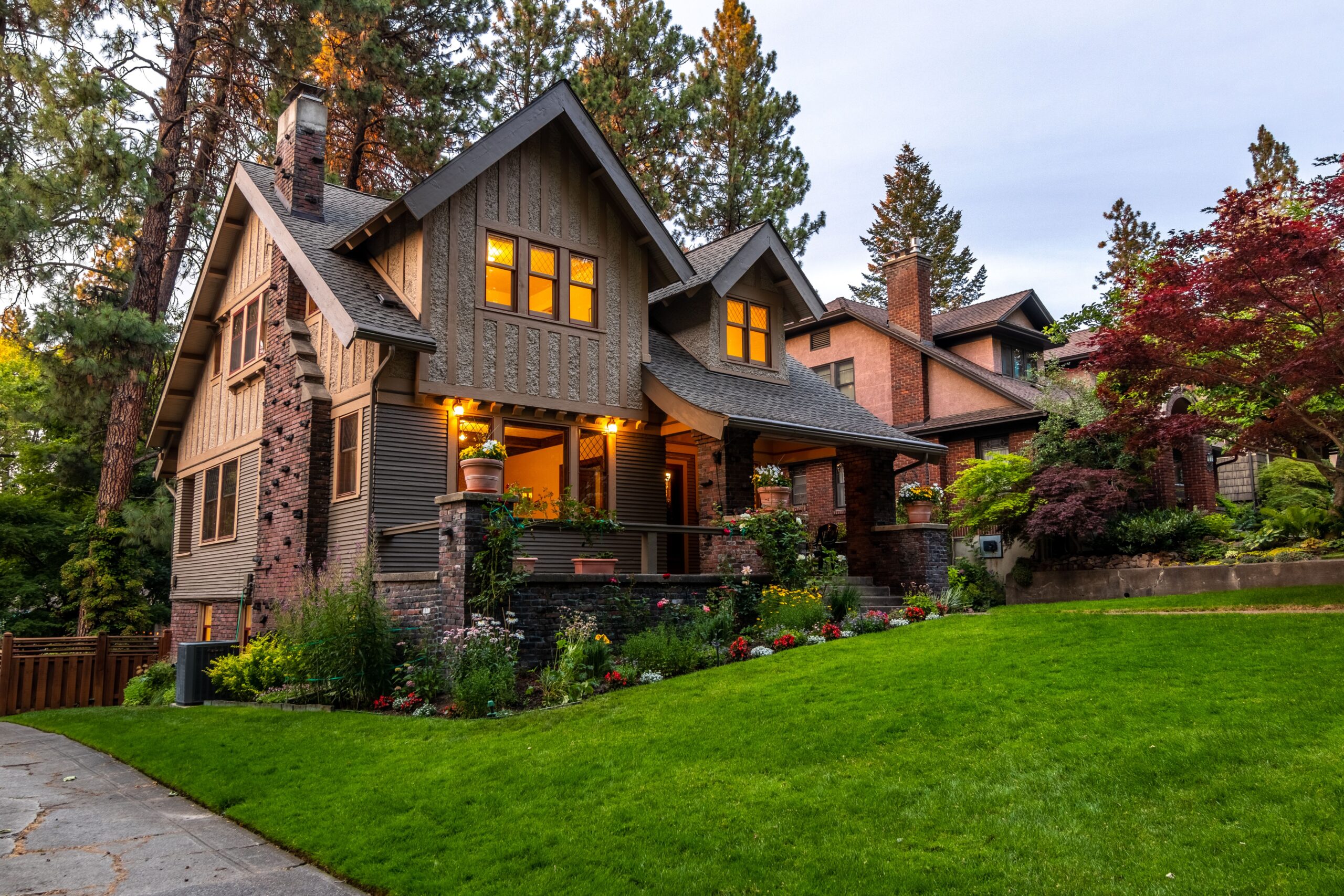
Landscape lighting might be the most underrated upgrade out there. A few well placed fixtures can wash a stone wall in warm light, show off the shape of a favorite tree, or guide guests up the front walk. Suddenly your yard is beautiful at night too, which is when a lot of people actually get to enjoy it after work.
Hardscape Does the Heavy Lifting
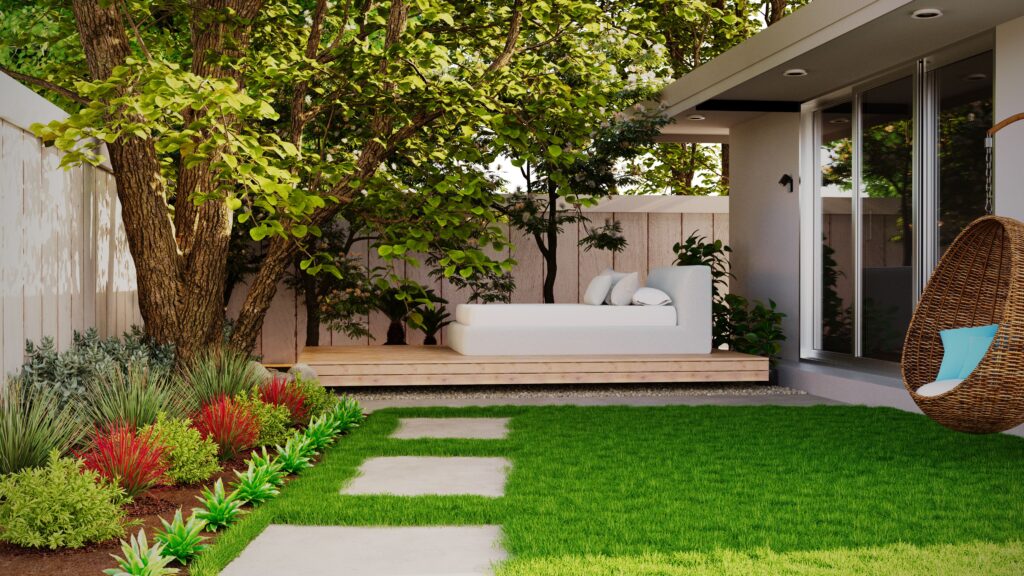
Patios, walkways, retaining walls, fire pits, and seat walls are what make a yard livable. They create outdoor rooms, define where people gather, and give plants a frame. A beautiful paver patio with a simple planting around it will almost always look better than a yard packed edge to edge with flowers and nowhere to stand.
Right Plant, Right Place
A gorgeous plant in the wrong spot is a slow motion disappointment. Sun lovers sulk in the shade. Shade plants scorch in full sun. Something that looks tiny in a nursery pot can turn into a monster that swallows your front window in four years. Knowing the soil, the light, the drainage, and the mature size of every plant is what keeps a landscape looking great for the long haul instead of just one summer.
Think About Upkeep Before You Plant
A yard that’s beautiful but exhausting to maintain won’t stay beautiful for long. Grouping plants with similar water needs, choosing natives that thrive without much fuss, and using mulch to keep weeds down all add up to a landscape that looks polished without eating every weekend. A design that matches the time you actually have is one you’ll keep loving.
Less, But Better
The next time you’re tempted to fill an empty spot with another impulse buy, take a step back. Ask whether that space needs a plant at all, or whether it’s doing its job by staying open. Ask whether the yard really needs one more flower, or whether a better path, a crisper edge, or a little lighting would do more.
The secret to a stunning landscape is smarter choices, and once you start seeing your yard that way, you’ll never look at a crowded flower bed the same way again.