
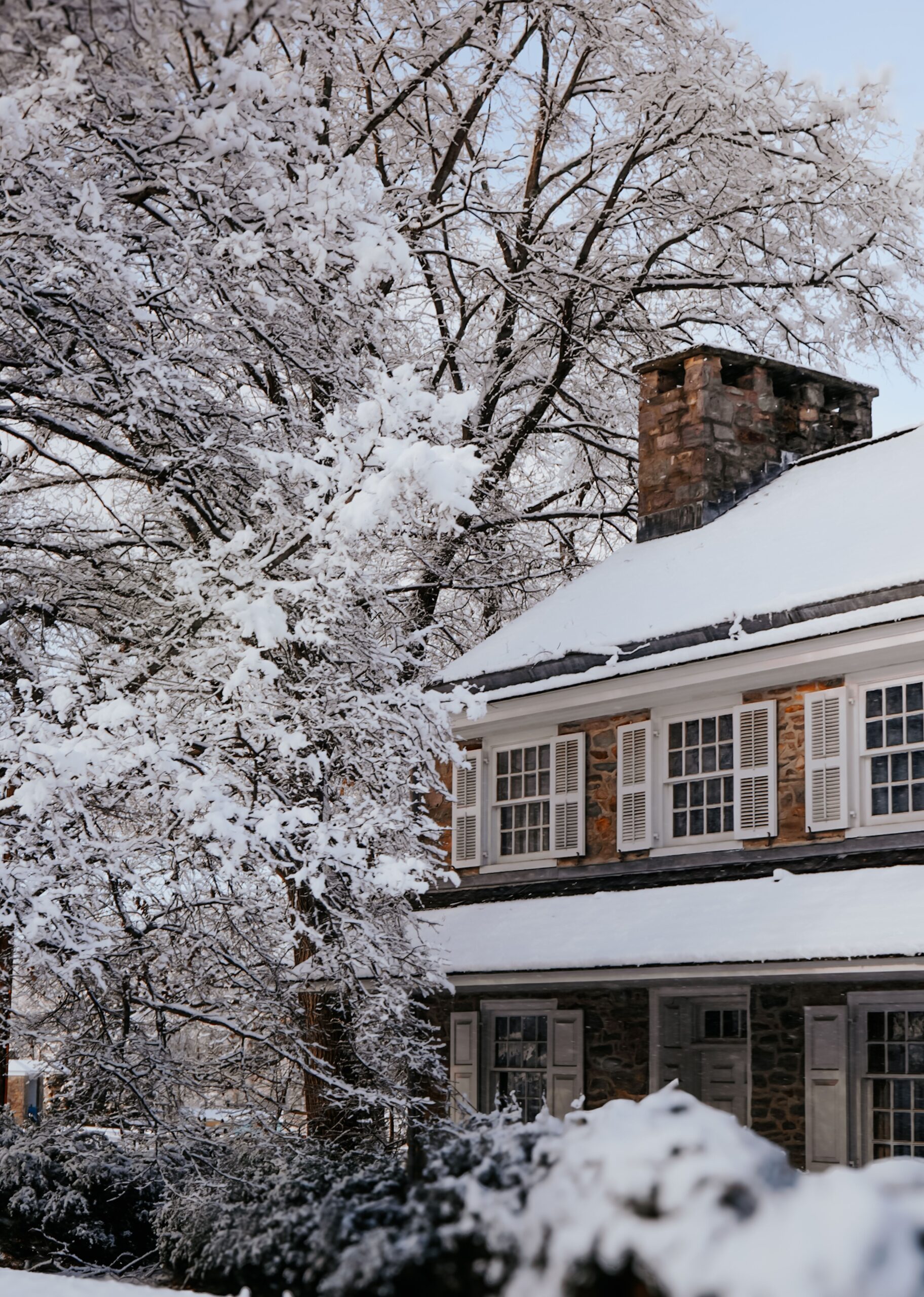

Rochester is one of the snowiest large cities in the country, with roughly 100 inches of snow in an average winter. Yet life does not wait for spring. Job transfers, home closings, and lease end dates land in January just as often as they do in June.
The good news is that winter moves have real advantages. Moving companies have more open dates in the off-season, scheduling is easier, and you may find better rates than during the summer rush.
The key is preparation. Our crews have been moving families through Western New York winters since 1986, and we have seen what works and what does not. This guide covers how lake-effect snow affects your move, how to time it, what to do if a storm hits, and how to protect your home, your belongings, and your family along the way.
Understanding Lake-Effect Snow and Why It Matters for Your Move
Lake-effect snow forms when cold air moves across the warmer waters of Lake Ontario. The air picks up moisture and drops it as heavy snow once it reaches land. The result is narrow, intense bands of snow that can dump several inches an hour.
What makes lake-effect snow tricky for moving day is how local it is. One town can get a foot of snow while a neighborhood 10 miles away sees only flurries. A move from Downtown Rochester to Penfield or Victor can mean starting in clear weather and unloading in a whiteout.
In the Rochester area, lake-effect activity is usually heaviest from late November through February. Once Lake Ontario cools down and partly freezes later in the season, the bands tend to weaken. Knowing this pattern helps you plan around the riskiest weeks.
Timing Your Winter Move Around Western NY Weather
Best and Worst Months to Move in Winter
If you have any flexibility, early December and March are usually the safest bets for a winter move. January and February bring the coldest temperatures and the most frequent storms. That said, plenty of moves happen successfully in the heart of winter with the right planning.
Pick a Flexible Date (and a Backup)
Try to build at least one buffer day into your schedule. Avoid having your lease end on the same day you move into a new home, because a single storm can throw off the whole plan. If you can, talk to your moving company about a backup date when you book.
Start Early in the Day
Winter days are short in Rochester, with the sun setting before 5 p.m. in December. Schedule an early start so the crew can load and unload in daylight. Working in the dark on icy driveways adds risk for everyone.
Watch the Forecast, Not Just the Calendar
Start checking the National Weather Service forecast for Rochester three to five days before your move. Pay close attention to any lake-effect snow warning, which means heavy, persistent snow is expected in specific areas. If a warning covers either your old or new address, call your movers to talk through options.
Snow-Day Contingency Plan
Even with careful planning, a storm can roll in on moving day. A simple backup plan keeps a bad forecast from turning into a crisis.
- Ask about the weather policy before you book. Find out how your moving company handles storms, whether rescheduling costs extra, and how much notice they need.
- Agree on a decision time. Set a time the night before or early that morning when you and your movers will decide whether to go ahead.
- Keep storage as a backup. If a storm delays your closing or move-in, short-term storage can hold your belongings safely until the roads clear.
- Pack an essentials bag for your car. Include medications, chargers, documents, snacks, a change of clothes, and toiletries in case the truck arrives later than planned.
- Confirm heat at the new home. Make sure the gas and electric are on at your new address before moving day. Walking into a cold house after a long day in the snow is no way to start.
Preparing Both Homes for a Winter Move
Clear the Path
Shovel and salt every surface the crew will walk on at both homes. That includes the driveway, front walk, porch steps, and any side or back entrance you plan to use. Leave a wide, clear spot for the moving truck to park as close to the door as possible.
If you will not be at your new home before moving day, arrange snow removal in advance. A local plowing service or a helpful neighbor can make sure the crew is not greeted by a foot of fresh snow.
Parking and Street Access
Moving trucks are large and need room to park and open the ramp. Plan where the truck will go at both addresses, and ask neighbors to leave street space open if needed. Rochester and many surrounding towns have winter parking rules and snow emergency restrictions, so check with your municipality before moving day.
Apartments and Downtown Buildings
If you are moving into or out of an apartment or loft, contact building management early. Reserve the freight elevator, ask about loading dock access, and confirm any move-in hours or insurance requirements. Ask whether the building salts and clears its entrances, since that is not always guaranteed.
Protecting Floors From Salt, Slush, and Snowmelt

Road salt is great for icy steps but tough on your floors. Salt residue can dull and stain hardwood, leave white marks on tile, and break down carpet fibers over time. Slush and melting snow add water damage to the mix, especially on wood floors.
Here is how to keep your floors safe at both homes:
- Lay down floor protection. Cover high-traffic paths with floor runners, rosin paper, or plastic sheeting from the entry to each room.
- Set up a boot-off zone or mudroom area. Place heavy doormats inside and outside every entrance you will use.
- Keep towels and a wet/dry vac nearby. Wipe up puddles as soon as they form instead of waiting until the end of the day.
- Protect carpeted stairs. Stairs see the most foot traffic during a move, so give them extra coverage.
- Clean up salt residue after the move. A mix of warm water and a little vinegar removes most salt marks from hard floors.
Professional movers should bring their own floor and door frame protection. When we arrive for a winter move, our crews lay down floor runners and protect entryways before carrying in the first box.
Protecting Your Belongings From the Cold
Freezing temperatures can damage more of your belongings than you might expect. A few hours in a cold truck is usually fine for furniture and boxes, but some items need extra care.
- Electronics. TVs, computers, and gaming consoles can collect condensation when they move from cold to warm air. Let them sit at room temperature for several hours before plugging them in.
- Liquids. Paint, cleaning supplies, and beverages can freeze, expand, and leak. Pack them in sealed bins or move them in your heated car.
- Houseplants. Most indoor plants can be damaged by even brief exposure to freezing air. Wrap them loosely and keep them in your car.
- Pianos and wood furniture. Sudden swings in temperature and humidity can crack finishes and affect a piano’s tuning. Specialty movers wrap these pieces carefully and limit their time in the cold.
- Musical instruments and antiques. Treat these like pianos: wrap them well, keep them out of the cold as long as possible, and let them adjust slowly indoors.
Use plastic bins or wrap cardboard boxes in plastic to protect them from snow and moisture. Keep important documents, jewelry, and other valuables with you in your own vehicle.
Keeping Your Family, Pets, and Crew Safe
Ice and cold make moving day more physically demanding, so safety deserves a plan of its own.
- Dress for the weather. Wear layers you can remove as you warm up, plus waterproof boots with good traction.
- Keep kids and pets out of the way. Doors will be open and steps may be slippery. Arrange for a sitter or a quiet room with the door closed, or have pets stay with a friend for the day.
- Manage the heat. Keep the furnace running, but expect heat loss with doors open. Close off rooms you are not using and set up one warm area where everyone can take a break.
- Keep walkways salted all day. Fresh snow and foot traffic can make a cleared path slick again within hours.
- Offer something warm. A pot of coffee or hot chocolate goes a long way for a crew working in the cold, and for your family too.
Why Hiring Local Movers Matters in Winter
A winter move is not the time to gamble on an out-of-town crew that has never seen a Rochester snowstorm. Working with an experienced Rochester moving company gives you several advantages when the weather turns.
- Local knowledge. Local crews know the hills, narrow side streets, and tricky driveways in neighborhoods from Downtown Rochester to Brighton, Penfield, and Victor.
- The right equipment. Experienced winter movers carry floor runners, moving blankets, plastic wrap, salt, and shovels as standard gear.
- Flexibility. A local company can adjust your start time or reschedule around a storm more easily than a crew traveling from far away.
- Protection for your belongings. A licensed and insured mover is responsible for handling your items with care, which matters even more when conditions are slippery.
Before you book, ask any moving company how many winter moves they handle each year and what their storm policy is. Their answers will tell you a lot about how prepared they are.
Winter Moving Checklist
Use this quick checklist to stay on track in the weeks leading up to your move.
Two weeks out
- Book your movers and ask about their weather policy
- Choose a backup moving date
- Arrange short-term storage if your dates might shift
- Schedule utilities, including heat, at your new home
One week out
- Arrange snow removal at both homes
- Check local winter parking rules
- Reserve elevators or loading docks for apartment moves
- Buy salt, doormats, floor runners, and plastic bins
The day before
- Check the National Weather Service forecast
- Confirm the start time and decision plan with your movers
- Pack your essentials bag and keep it in your car
- Shovel and salt all paths and the truck parking area
Moving day
- Lay down floor protection at both homes
- Keep kids and pets in a safe, closed-off space
- Move plants, liquids, and valuables in your own car
- Let electronics warm up before plugging them in
Final Thoughts
Moving during a Rochester winter takes more planning than a summer move, but it is completely doable. Watch the forecast, build in a backup date, clear the path at both homes, and protect your floors and belongings from the cold. With a solid plan and an experienced crew, lake-effect season does not have to slow you down.
If you are planning a move this winter, start early and ask the right questions. A little preparation now means a warmer, smoother first night in your new home.