
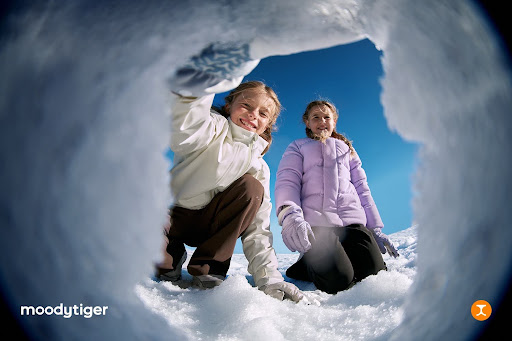
Planning your first family snow trip is exciting, but it can also become overwhelming surprisingly quickly. Between choosing a destination, booking accommodations, arranging travel, and deciding what everyone needs to wear, there are plenty of details to organize before the first snowball is thrown. The easiest way to keep everything manageable is to start with one simple question: how many days will you spend in the snow?
The length of your trip affects almost every packing decision. A weekend break requires a different approach from a five-day winter vacation, particularly when children are involved. If you are looking for a suitable kids snowsuit, for example, you will also need to consider how often your child will wear it, whether it can dry between outings, and what other layers will be needed underneath.
Instead of making a long shopping list and hoping everything fits into the suitcase, work backward from your travel dates. Once you know how many mornings, outdoor sessions, and opportunities to dry clothing you will have, it becomes much easier to pack with confidence.
Start With the Calendar, Not the Suitcase
Before thinking about boots, gloves, or thermal tops, write down your travel schedule. Include the journey to your destination, the first day outdoors, any planned ski lessons, rest days, and the return journey. These details help you distinguish between clothing you will use every day and items needed only for specific activities.
A family leaving on Friday evening and returning on Sunday afternoon may need just one full day of snow activities. A family staying from Saturday to Thursday has more time to explore, but also needs to plan for changing weather and clothing that may not dry overnight.
A Weekend Break Needs a Reliable Backup
For a short trip, it is tempting to pack only one complete set of outdoor clothing for each child. That may be enough if the weather stays dry and the clothes dry quickly, but snow can soak gloves, socks, and pant cuffs during a single morning of play.
Plan at least one backup for the items most likely to become wet. Spare gloves and socks are particularly useful because they take up little space but can make the difference between continuing an enjoyable afternoon and heading indoors early. A spare base layer is also worth considering if children will be playing in deep snow or learning to ski.
You may not need two bulky snowsuits for a weekend away. Instead, concentrate on having one suitable outer outfit and enough smaller essentials to manage an unexpected change.
Longer Trips Need a Rotation Plan
A trip lasting four or five days gives your family more time to enjoy the destination, but it also creates a laundry and drying challenge. Children’s outerwear may collect snow, mud, and moisture, while base layers can become damp through perspiration even when they do not look dirty.
Think about how you will rotate clothing. One set can be worn while another dries, provided you have enough space and suitable drying facilities. If your accommodations have a drying room, heated towel rail, or laundry facilities, check the rules before relying on them. Some ski accommodations do not allow wet clothing to be placed directly on radiators.
For longer stays, lightweight base layers and extra socks can be more useful than packing several heavy coats. They allow you to change the clothing closest to the skin without filling every suitcase with bulky items.
Count Outdoor Sessions Before Choosing Clothing
The number of vacation days does not always match the number of days your family will spend outside. Arrival and departure days may be mostly taken up by travel. You may also want a day for sightseeing, swimming, or simply resting after a busy morning on the slopes.
Write down the activities you genuinely expect to do rather than planning every day as a full ski day. This makes your packing list more realistic and prevents you from bringing specialist equipment that never leaves the suitcase.
Separate Snow Play From Skiing
Building snowmen, sledding, and learning to ski all involve different levels of movement and exposure. A young child playing in the snow may spend long periods sitting, kneeling, or touching snow with their hands. A beginner on a ski lesson may move frequently, fall several times, and generate more body heat while practicing.
For snow play, waterproof protection around the seat, knees, and lower legs can be particularly helpful. For skiing, a comfortable fit, freedom of movement, and suitable weather protection matter just as much. Neither activity eliminates the need for warm layers, gloves, and dry socks.
Check the resort’s equipment guidance before traveling. Ski schools may have requirements for helmets and other equipment, while rental shops can provide skis, boots, and poles where appropriate. Renting bulky equipment at the destination can reduce the amount your family needs to transport, although you should reserve popular sizes in advance during busy periods.
Build a Small Clothing System for Each Child
Once you know how many outdoor sessions are planned, organize each child’s clothing into layers. This is more flexible than relying on one exceptionally thick outfit because layers can be adjusted as the temperature and activity level change.
A typical arrangement includes a comfortable base layer, an insulating middle layer, and a protective outer layer. The base layer helps manage moisture next to the skin, while the middle layer provides warmth. The outer layer helps protect against wind, snow, and rain, depending on its construction.
Get the Small Essentials Right First
Parents often focus on the main jacket or snowsuit because it is the most visible purchase. However, small accessories can have a major effect on comfort. Gloves need to fit properly and offer suitable protection from moisture. Socks should provide warmth without making boots too tight, and children should have enough spare pairs for the planned activities.
A neck warmer can offer useful coverage in cold weather, provided it is appropriate for the child’s age and does not interfere with breathing or movement. A well-fitting hat is useful away from the slopes, while ski helmets should be selected and fitted according to the resort’s safety guidance.
Sunglasses or goggles may also be necessary because snow can reflect sunlight, even on days when the air feels cold. Check the expected conditions and choose eye protection suitable for the planned activity.
Choose Outerwear That Suits the Whole Trip
Outerwear deserves careful consideration because it affects warmth, movement, and how easily a child can enjoy the day. For a first snow trip, practical details are usually more important than appearance alone. Look at the fit around the shoulders and knees, the quality of closures, and whether the garment is designed for the type of weather your family expects.
A one-piece suit can help reduce gaps between the jacket and pants, which may be useful for younger children who spend lots of time crawling, sitting, or rolling in the snow. Separate jackets and pants, however, can offer more flexibility for bathroom breaks, changing temperatures, and everyday wear away from the slopes.
The right option depends on the child’s age, planned activities, and how independently they can get dressed. Whichever design you choose, make sure there is enough room for appropriate layers without leaving the garment so loose that it becomes uncomfortable.
Mid-Trip Check: Make Sure the Gear Is Working
The first evening of your trip is a good time to review what happened outdoors. Did the gloves become wet? Were the children too warm while moving? Did anyone complain that their sleeves pulled when reaching forward? These observations can help you make small adjustments for the remaining days.
Families exploring children’s snow clothing can also browse the skiing range from moodytiger while considering the activities and weather planned for their trip. When comparing garments, focus on the features described for each item and choose according to your child’s needs rather than assuming every ski garment provides the same level of protection.
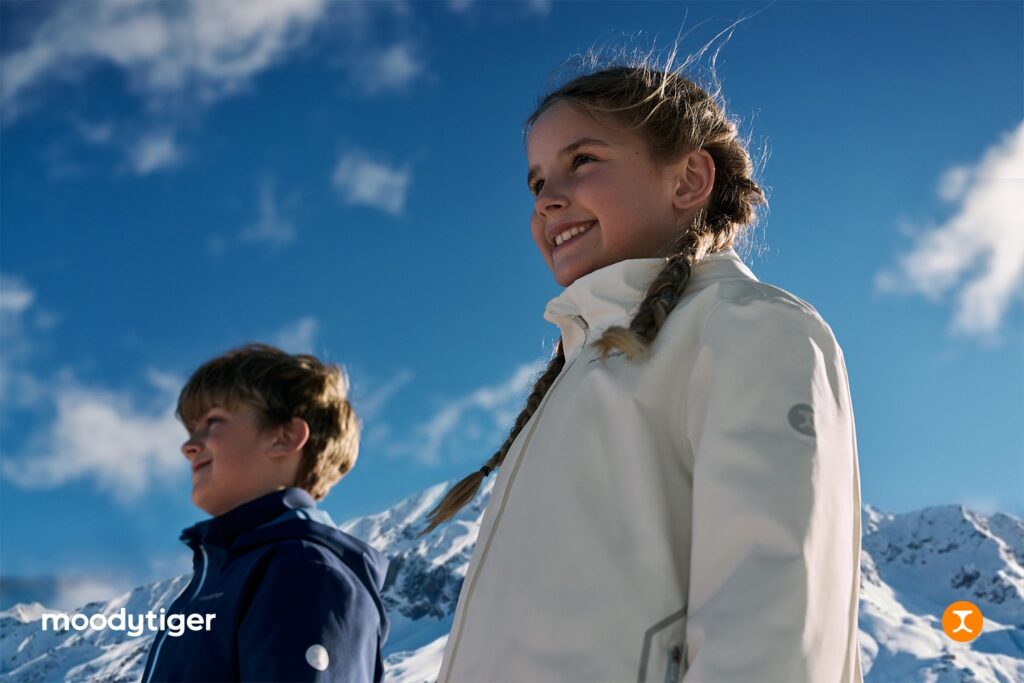
For the next day’s outing, dry wet items fully where possible, replace damp base layers, and check that boots and gloves are ready before bedtime. This short routine helps prevent a rushed morning and makes it easier to spot missing essentials before you leave the accommodations.
Pack Around the Child, Not Just the Destination
Children of the same age can have very different needs on a winter trip. One may happily spend hours outside, while another becomes uncomfortable after a short time in the cold. Some children run around constantly; others prefer watching the snow from a warm café before heading out again.
Why a One-Piece Insulated Snowsuit May Be Worth Considering
For families who prefer one-piece snow gear, the Spectrum Insulated Snowsuit is an option to consider when planning a winter trip with children. Its one-piece design helps reduce the gaps that can occur between a separate jacket and snow pants, which may be useful when children sit, bend, crawl, or play in deep snow. The suit features PrimaLoft insulation for warmth and a 20,000mm waterproof rating, making its insulation and weather protection important features to consider when comparing outerwear for snowy conditions.
A one-piece snowsuit can be especially convenient for younger children who spend a lot of time playing close to the ground. Instead of having to adjust a jacket and pants separately, parents can focus on ensuring that the suit fits comfortably and works with the child’s base and middle layers. At the same time, consider bathroom breaks, dressing independence, and the activities planned for the trip, as these practical details can influence whether a one-piece or two-piece design is more suitable. Parents should check the current product details and sizing guidance before choosing a size and confirm that the suit’s features match the expected conditions.
Remember that clothing needs may also change during the day. A child who starts with a warm walk to ski school may need to remove a layer after practicing on the slopes, then put it back on when stopping for lunch. Packing with this flexibility in mind is more useful than trying to predict one perfect outfit for every hour.
A Simple Packing Timeline That Prevents Last-Minute Stress
Three or four days before departure, check the forecast and confirm what your accommodations provide. Some places offer drying facilities or lend certain items, while others expect families to bring everything themselves. Make sure rented equipment is arranged and that any necessary clothing still fits over the layers your child will wear.
The day before traveling, lay out each child’s clothing in one place. Count the planned outdoor sessions and match them with base layers, socks, and gloves. Check fastenings, look for damaged seams, and make sure boots are comfortable. If something needs washing or drying, you will still have time to deal with it.
On departure day, keep travel clothes and one easily accessible change of essentials separate from the main luggage. This is especially helpful if the family reaches the destination before the accommodations are ready or if the journey includes an unexpected stop.
Let the Number of Days Set the Plan
A successful first family snow trip does not require the biggest suitcase or a separate outfit for every possible situation. It requires clothing that matches your activities, enough spare essentials to deal with wet conditions, and a realistic plan for drying everything between outings.
For a weekend away, prioritize a reliable outer outfit and backups for gloves, socks, and base layers. For a longer trip, think about rotation, laundry, and the facilities available where you are staying. Above all, remember that children need to stay comfortable enough to enjoy the experience, not simply look ready for the slopes.
Work backward from the number of days, count the outdoor sessions, and build a practical clothing system around them. With the main decisions made before you leave home, you can spend less time worrying about the suitcase and more time enjoying those first snowy adventures together.