Creating a comfortable home is about finding the right balance between style and everyday functionality. Many families need spaces that support different activities, from working remotely and studying to managing household tasks. A well-organized home workspace can make these routines easier while keeping the interior attractive and welcoming.
Furniture plays an important role in achieving this balance. Natural materials, practical storage, and thoughtful arrangements can transform an unused corner into a productive area. A wooden computer desk is one option that combines everyday usefulness with timeless interior appeal.
Why Choose a Solid Wood PC Desk?
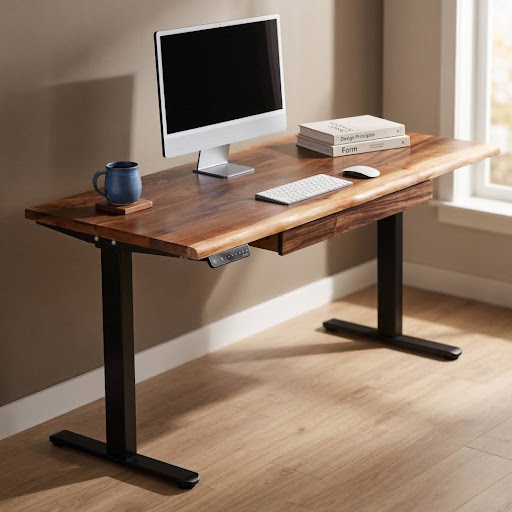
A computer desk should provide enough room for daily activities without making the home feel crowded. A solid wood pc desk can be a practical choice for a home office, study corner, or shared family workspace.
Solid wood furniture is valued for its natural grain, distinctive texture, and durability. Each piece has individual characteristics that add warmth to an interior. Unlike furniture that only imitates the appearance of wood, a desk made from solid timber features the natural qualities of the material itself.
Modern Wood Style offers options for homeowners interested in combining natural wooden furniture with practical workspace design. Choosing a suitable desk can help create an organized area that complements the rest of the home.
Another advantage of wooden furniture is its versatility. It can work beautifully in traditional homes, modern apartments, and relaxed family interiors.
Planning a Workspace That Works for the Whole Family
Before purchasing a desk, consider who will use the workspace and what activities will take place there. One family member may need a quiet area for remote work, while children may use the same space for homework, reading, or creative projects.
The size and location of the desk should reflect these needs. A spare bedroom can accommodate a dedicated office, while a smaller home may benefit from a workspace in a living room or an unused corner.
Here are several practical details to consider when designing your workspace:
- Available space: Measure the room before selecting furniture. Leave enough room for a chair and comfortable movement.
- Storage: Choose drawers, shelves, or organizers to keep paperwork and accessories in order.
- Lighting: Make use of natural daylight and add a suitable desk lamp.
- Seating: Select a comfortable chair that supports good posture during seated activities.
- Accessibility: Keep frequently used supplies within easy reach, especially in a shared workspace.
A little planning can prevent clutter and make the area easier for everyone to use. It is also helpful to establish simple rules for returning supplies and keeping the desk tidy.
Matching Wooden Furniture with Home Decor
A workspace should feel like a natural part of the home rather than an isolated office setup. Coordinating furniture finishes, wall colors, and accessories can help create a consistent appearance.
Light wood tones work well with white, cream, and soft neutral colors. They can make smaller rooms feel brighter and more open. Darker wooden surfaces create a richer appearance and pair nicely with muted wall colors.
Natural wood also complements many common interior materials. It can be combined with metal lighting fixtures, woven baskets, ceramic accessories, and soft textiles.
For a family-friendly interior, avoid filling every surface with decorative objects. A few carefully chosen accessories can add personality without reducing the available working space.
Plants are another simple way to make a home office feel welcoming. A small indoor plant can introduce a natural accent without requiring major changes to the room.
Keeping the Home Workspace Organized
An organized desk makes it easier to concentrate and complete everyday tasks. This becomes particularly important when several family members share the same area.
Storage solutions do not need to be complicated or expensive. Simple baskets, labeled containers, and wall shelves can help keep essential items accessible.
Consider creating separate storage areas for different activities. Work documents can have their own folder, while school supplies and craft materials can be stored in separate containers.
Cable management is also worth considering. Computer chargers, power cords, and other accessories can quickly make a workspace look untidy. Clips and cable organizers help keep them under control.
Modern Wood Style can also serve as a reference when exploring wooden furniture options for a practical and attractive home workspace.
Maintaining Wooden Furniture
Solid wood furniture can remain attractive for many years with appropriate care. Regular dusting helps prevent dirt from accumulating on the surface. A soft cloth and cleaning products suitable for the particular finish are usually appropriate.
Avoid excessive moisture and abrasive cleaning materials. These can affect protective coatings and damage the appearance of the wood.
There are also several simple habits that help protect a computer desk:
- Use coasters under drinks to prevent moisture marks.
- Place protective pads beneath heavy equipment.
- Clean spills promptly.
- Avoid prolonged exposure to direct sunlight.
- Follow the furniture manufacturer’s care recommendations.
These small steps help preserve the natural appearance of the furniture and reduce unnecessary wear.
A Comfortable Space for Everyday Living
A thoughtfully arranged home workspace can support the needs of the entire family. It provides a place for professional tasks, school activities, creative projects, and household organization.
A solid wood computer desk combines practical functionality with the warmth of natural materials. When paired with suitable storage, comfortable seating, and coordinated decor, it can become a valuable part of the home.
The best workspace is not necessarily the largest or most elaborate. It is one that fits the family’s routines, makes everyday activities easier, and contributes to a comfortable home environment.
Author Bio: Mark Zinchenko
Mark Zinchenko writes about home interiors, furniture, and practical design solutions. He is interested in natural materials, functional living spaces, and ideas that help homeowners create comfortable and welcoming homes.