


More and more people are looking to transform their spaces to be multi-purpose or simply catering to the changing needs of their families.
Play areas for kids, lounge areas for teenagers, and tranquil spaces for meditation and stress relief for adults. In most spaces, the focus is on functionality and storage, or there might be more emphasis on colors, the “vibe,” or perhaps it is additional outlets for powering high-tech toys, computers, and smart devices.
Whatever changes you are looking into doing, you have to look beyond the drywall, and there might be a whole different set of regulations and standards that may go beyond what the knowledge of the occasional DIYer.
Electrical work often requires work to be done by a licensed expert to ensure all safety protocols and regulations are followed.
The 6-Foot Rule for Power Outlets
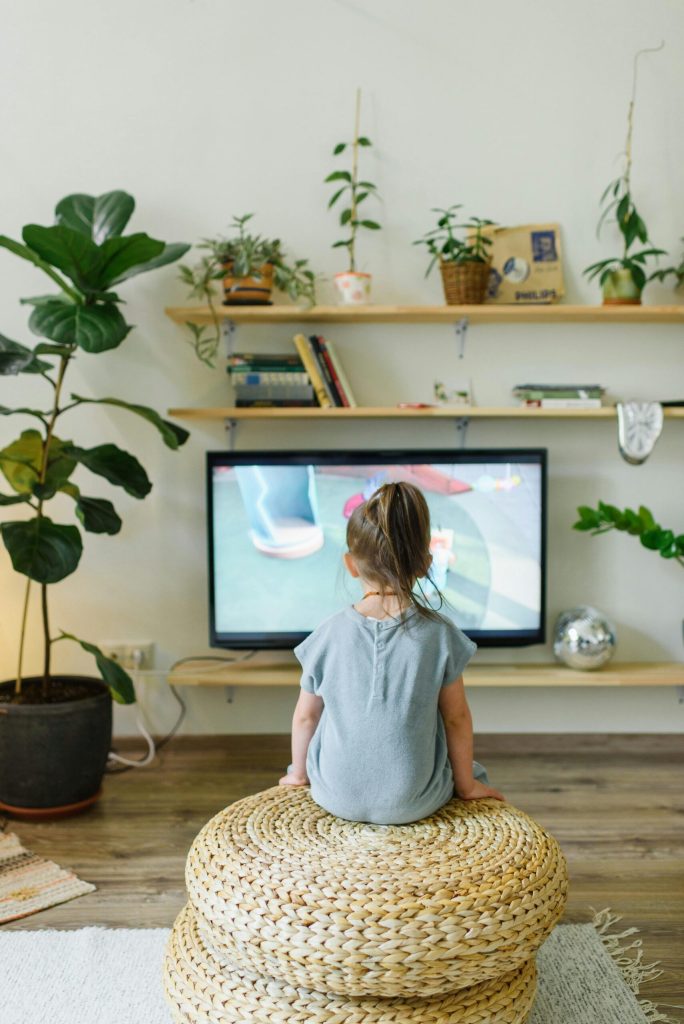
If you’re planning a new playroom or gaming room, don’t be tempted to run extension cords to where you want your power.
The NEC (National Electrical Code) generally requires proper outlets to be placed about every six feet from where your components are. What’s best to do here is to plan your furniture around all the existing electrical outlets rather than installing new outlets once you get new furniture.
Sure, this MAY seem like the solution. But unless you’re doing a full-blown makeover, this just isn’t worth it. This way, you’ll prevent some potential tripping hazards, you’ll reduce stress on wires/overloading the systems, etc.
If it works, it works. No need to reinvent the wheel here.
Tamper-Resistant Receptacles (TRRs)
If you’ve got toddlers or little kids, then having outlet caps is pretty much mandatory.
But the problem with these (depending on the model) is that such caps can actually be a choking hazard. And that isn’t really what you want—to cover one problem by creating another. This is why professional electricians usually now install Tamper-Resistant Receptacles (TRRs) as a standard safety feature.
If you say you’ve got small children, or you plan on having some, this is standard procedure now.
These outlets have built-in shutter mechanisms that only open when a two-pronged plug is inserted simultaneously, blocking curious kids from sticking keys or paperclips into the slots.
Dedicated Circuits for “High-Tech” Fun
Mini fridges, gaming consoles and smart technology could overload a shared circuit. To get the most out of your electronic gadgets, you might want to add a power box that can handle high-powered electronic devices on a different circuit board from the rest of the house.
This’ll prevent your oven, washer and dryer from competing with your game consoles or mini theaters for electricity.
How to Plan Power for How Kids ACTUALLY Use the Room Today

Well, at one point, kids used to take a basketball or a Frisbee, and they’d play with that outside. To help encourage kids to spend more time outdoors, setting up engaging active play equipment like a high-quality trampoline from QBounce is a great way to balance screen time with fun, energetic exercise in the backyard.
The point is that kids used to play outside. But that isn’t because kids weren’t glued to their phones as they are today, it’s because there were no phones back then. No TVs. And believe it or not. No internet. The internet, while it DID exist, didn’t look ANYTHING like it does today. Barely any games, no social media, no YouTube, it was different.
When the kids do come back indoors and are looking for something to do, they’ll likely want to watch TV, hop on their laptop or tablet, or maybe play on a gaming console like Switch or Playstation. That means you’ll need plenty of electrical outlets to keep your kids happy. And if you live in an area that experiences thunderstorms frequently, you’ll also want to provide surge protection to keep your home and everyone safe.
Just make sure to inform your children about the dangers of fiddling with electricity. But, better safe than sorry, use TRRs or at least outlet caps.
Fault Protection Near Water
Suppose your game room is going to be anywhere near your laundry facilities, or even a bathroom. You will need to install a GFCI (Ground Fault Circuit Interrupter) to protect everyone in the house.
These devices provide lightning speed ‘kill switches’ if electricity is detected flowing where it shouldn’t (like a person or water). Testing these monthly ensures the internal sensors are still responsive.
Why the “Trade Standard” Constantly Improves
Electrical safety isn’t a “set it and forget it” kind of task. Codes change every few years to account for new technology and higher home energy demands.
This is why professionals in the industry are required to stay current with their education. But those requirements vary from state to state.
Here’s a quick comparison to point out the differences:
For example, a Utah electrical CE that helps them meet renewal requirements would require electricians to do 16 hours of continued education on a 2-year cycle (for licensing renewal), with ¾ being core (NEC), while the remaining ¼ can be professional or core.
In a state like California, certified electricians must do 32 hours! And it’s on a 3-year cycle to remain compliant with the latest state-specific amendments and safety updates.
Each state has its own regulations when it comes to the number of hours and how often the license needs to be renewed, as well as what’s covered in those required CE hours.
Conclusion
By ensuring the person working on your home is up-to-date with their renewal requirements, you’re essentially bringing the most current safety science into your family’s living space.
Play safe and let the electricity go with the flow.