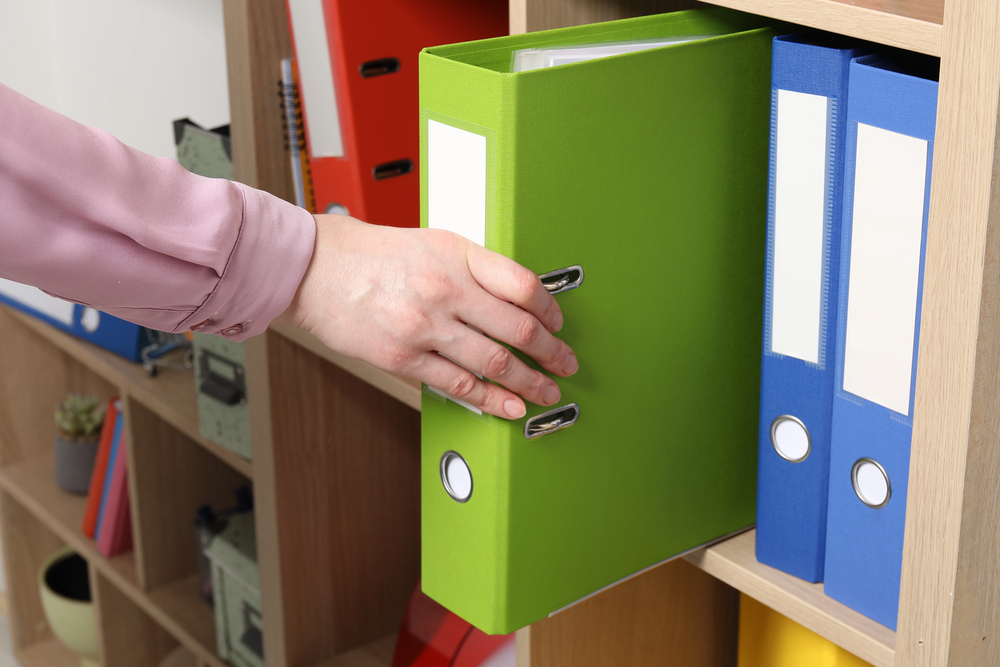
Lately, I have been working on organizing my home, now that both of my kids have graduated college, have their first jobs after college and are out of the house. (As an empty nester, I have more time for such things than I did when my kids were growing up.) While I organize our belongings and decide where and how stuff in our house should be stored, I hope to create a useful family binder. In this binder, I plan to include sections or folders that will hold important documents regarding our home, financial accounts, and insurance. It only makes sense to have this clearly labeled resource so that everyone will know how and where to locate important information when it’s needed, such as in the case of an emergency.
What to Include in Your Family Binder
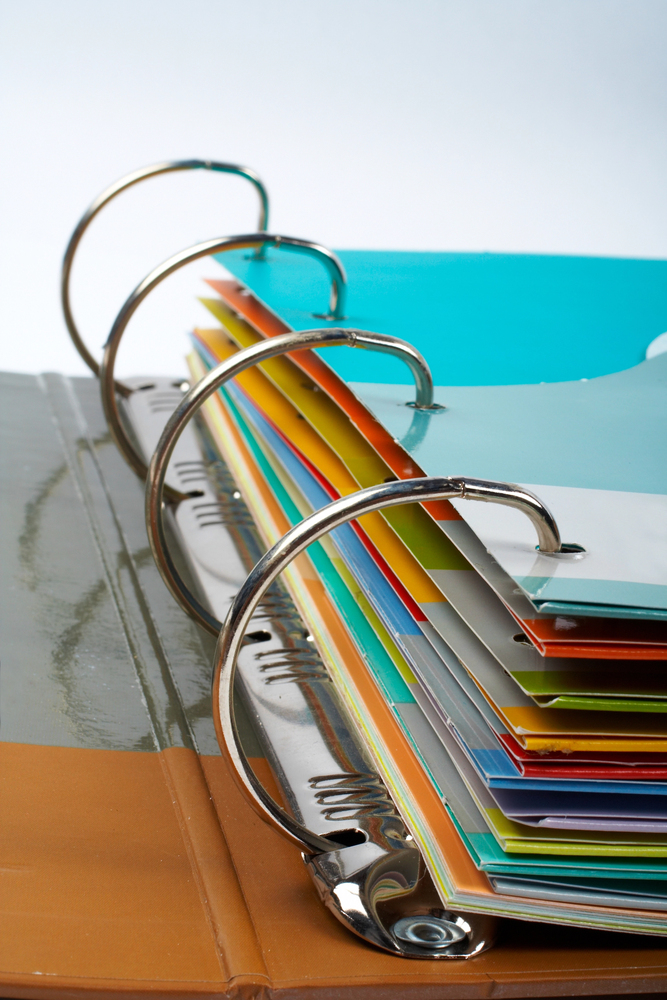
It’s critical that a family emergency binder covers the essentials. These are key sections it could include:
- Home Deeds and Titles: E.g., this could include proof of ownership and mortgage details.
- Important documents: In this binder, you may also want to include important documents, such as birth certificates, your marriage certificate, and your passports.
- Insurance Policies: Among the documents this could include are: Health, auto, home, and life insurance documents, including policy numbers and key contact information.
- Account Titles and Beneficiary Forms: Here, you could supply bank account location, numbers, and statements; retirement plan information and investment accounts—be sure to list updated beneficiary information.
- Key Contacts: Note here lawyers, financial advisors, insurance agents, and medical providers.
- Digital Logins: This section could have a secure list of online accounts—everything from bank logins to utility accounts and streaming services.
- Maintenance Schedule: You could put here a record of home repairs, such as when the roof was fixed or updated, when the HVAC was installed or last serviced, and appliance purchase information. You could also include here trusted contractors you rely on to keep everything in your home running smoothly and their contact information.
- Emergency contacts: Include here your emergency contacts in case they need to be reached.
Having all of this in one place will eliminate any frantic searching for needed information and ensure that your family can act quickly when decisions must be made.
Spousal Rights
Legal documents can come with hard-to-understand wording that can be difficult to comprehend. So in your binder you may want to include a simple note written in plain English that can help a surviving spouse understand their rights regarding their home, bank accounts, and benefits. For example, you could include a note that answers the question: When a husband dies what is the wife entitled to? In many states, a surviving wife has legal rights to at least a part of the marital property, even if not named in a will. Having such information readily available can help the surviving spouse navigate a highly stressful event and time period.
Storage and Backup Options
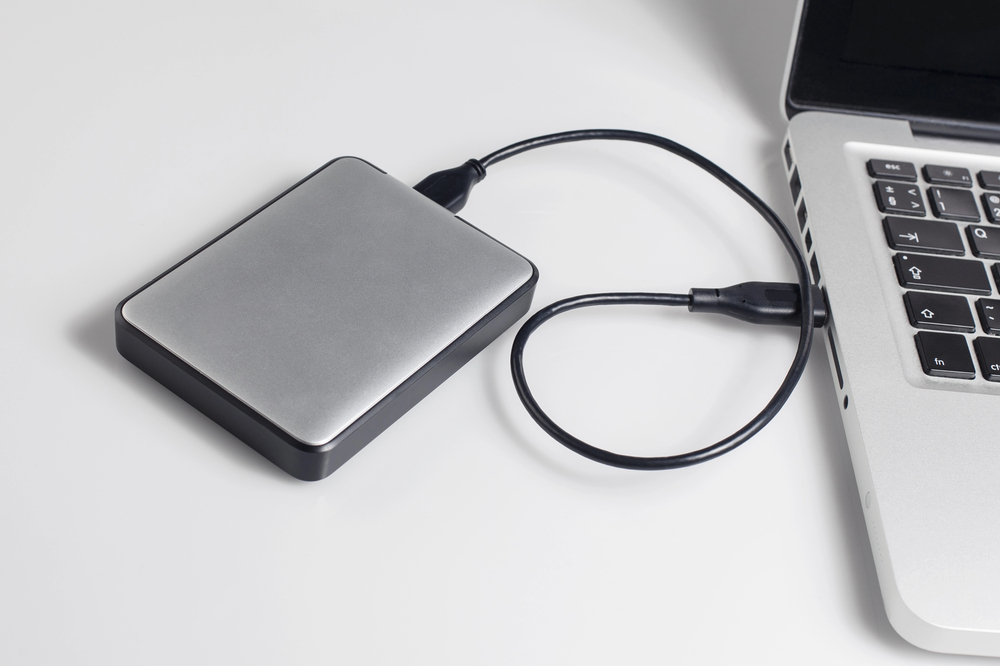
Where you keep your binder is just as important as what you put in it. A fireproof safe in the home is a practical option, but it’s also wise to have a digital backup. You might scan your documents and digitally save them, such as on a secure cloud storage service. Just make sure access instructions (passwords, recovery steps) are also included in the binder. You may even want to create two binders: One stored at home and another with a trusted relative or attorney.

Regularly Update Your Binder
Life can change on a dime. A new job, a home purchase, or an updated insurance policy can make old information obsolete. Make it a habit to review your binder at least once a year. You could set a reminder on your calendar to remind yourself—like at the start of tax season or around your anniversary—so updates become part of your routine.
Peace of Mind for the Whole Family
An emergency binder isn’t just paperwork—it can be an act of love that you do for your loved ones. It can spare your family from confusion during a difficult time and give them confidence to do what they have to do when life feels uncertain. By keeping your documents and contacts in one place, you can create a gift that’s both practical and reassuring.
Discover more from momhomeguide.com
Subscribe to get the latest posts sent to your email.
Leave a Reply