Choosing the right decking material is about more than picking a color or finish. The best option should fit your lifestyle, complement your home’s design, and stand up to years of outdoor use. Working with outdoor renovation specialists can make it easier to compare materials and understand which ones offer the best balance of durability and style. From natural wood to modern composite options, each material comes with its own advantages and maintenance needs. Knowing what to expect before you build helps you create an outdoor space you’ll enjoy for many years.
Understand Your Outdoor Lifestyle
Before choosing a decking material, think about how you plan to use your outdoor space every day. Whether you enjoy hosting gatherings, relaxing with family, or creating a quiet retreat, your lifestyle can help determine which material will best meet your needs. Considering your habits from the start makes it easier to select a deck that stays functional and attractive over time.
Compare Popular Decking Materials
There are several decking materials available today, and each one offers its own combination of appearance, durability, maintenance, and cost. Understanding the strengths of each option can help you choose a material that fits both your lifestyle and your long-term goals.
Pressure-Treated Wood
Pressure-treated wood remains one of the most budget-friendly choices for homeowners. It provides a classic wood appearance, but it requires regular sealing, staining, and maintenance to protect it from moisture and everyday wear.
Cedar and Redwood
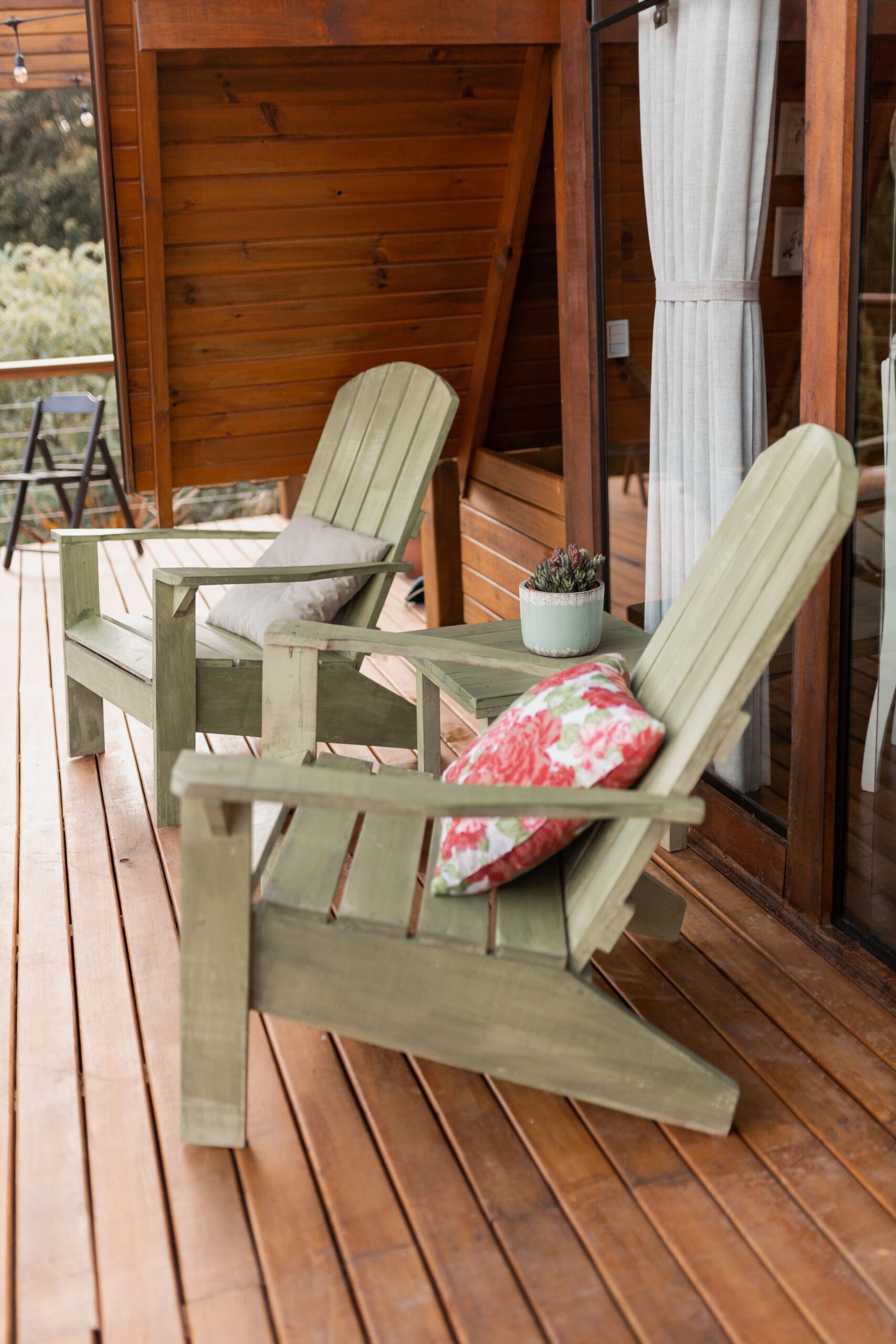
Cedar and redwood are valued for their natural beauty and rich color variations. They naturally resist insects and decay better than many other wood species, although routine care is still recommended to preserve their appearance.
Composite Decking
Composite decking combines recycled wood fibers and durable plastics to create a surface that resists fading, splintering, and rot. It requires much less maintenance than traditional wood, making it a popular option for homeowners who want lasting performance with minimal upkeep.
PVC Decking
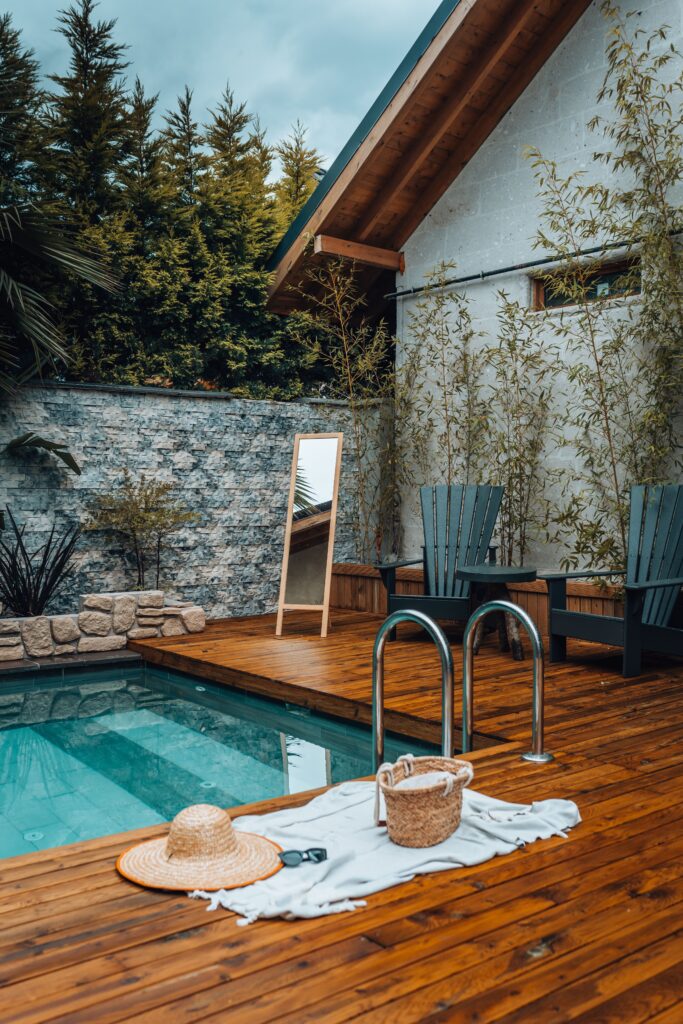
PVC decking is made entirely from synthetic materials, making it highly resistant to moisture, mold, and insect damage. It is especially well suited for areas with frequent rain or high humidity because it does not absorb water like natural wood.
Hardwood Options
Hardwoods such as ipe, mahogany, and tigerwood offer exceptional strength and a premium appearance. While they typically cost more upfront, their impressive durability and distinctive grain patterns can provide lasting value for homeowners looking for a long-term investment.
Consider Long-Term Durability
Before even getting into the actual comparisons of different materials, you really should reflect on the overall ability of each choice to be able to withstand the test of time. In fact, with a well-built deck you can actually expect that its resistance to the constantly changing weather, the frequent daily use and the constant exposure to different elements will help to cut down on future repair costs. Deciding on a material that offers good durability over a large period of time will make sure that your garden remains an enjoyable space that you can be confident with for many years ahead.
Think About Maintenance Requirements
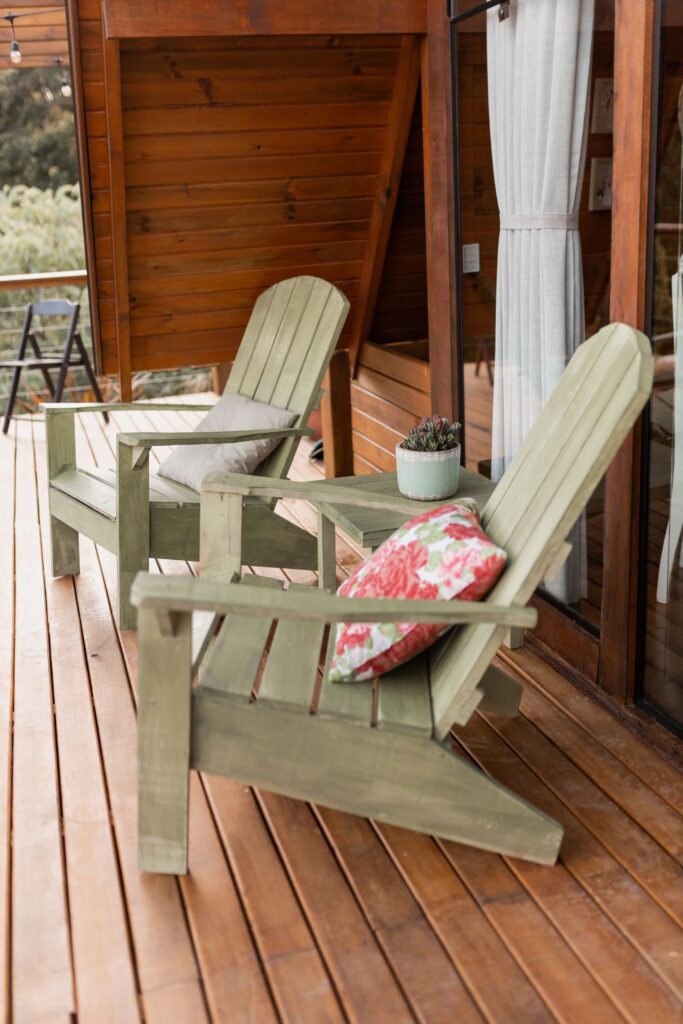
Every decking material needs a certain amount of upkeep, and that means, it is essential that you consider how much time and effort you are willing to spend maintaining your deck over the years. Some kinds of material merely require periodic cleaning whereas others should be sealed, stained, or repaired on a regular basis just to make them appear fresh from time to time. If you pick the right type of material, that will suit your idea of maintenance, you will definitely experience a deck area that gives you great pleasure with minimal hassle.
Choose a Style that Complements Your Home
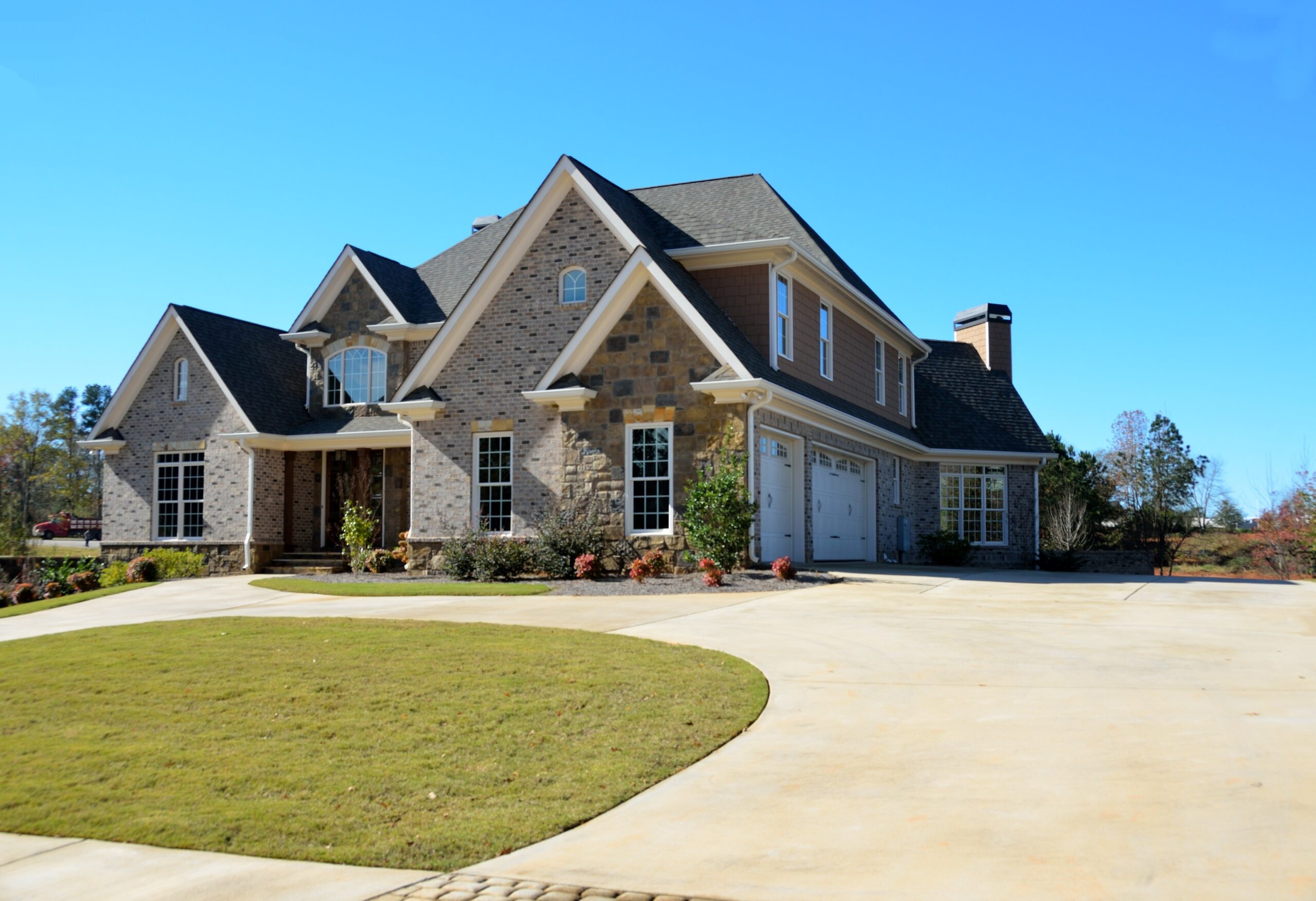
Your deck should feel like a natural extension of your home rather than a separate feature. Selecting colors, textures, and finishes that coordinate with your home’s architecture creates a more polished and inviting outdoor space. A well-matched design can also enhance curb appeal and remain visually appealing for years to come.
Evaluate Cost Beyond the Initial Price
The least costly decking material might not actually be the best one eventually. If you look at future maintenance, repairs, and the estimated lifespan of each material it might be wise to consider such matters when comparing the total costs. Analyzing the long-term value can really assist you in identifying a good investment that will improve the value of your house.
Consider Sustainability and Environmental Impact
If you care about sustainability, then it’s worth your while looking for decking materials that are made up from recycled or responsible sources. A choice of material that will last you many years not only saves you money but reduces waste through infrequent replacements. The key point is that the material not only protects your home and the immediate surroundings for a long time.
Work with an Experienced Team
Working with experienced professionals can help you select the right decking material and ensure it is installed correctly from the beginning. A reputable deck building company can also recommend options that fit your budget, maintenance preferences, and long-term goals. With expert guidance, you can feel more confident that your investment will deliver lasting beauty and performance.
Conclusion
Choosing the right decking material is an investment that can improve both the beauty and functionality of your outdoor space for years to come. By considering durability, maintenance, style, and long-term value, you can make a decision that fits your home and lifestyle with confidence. If you are ready to bring your vision to life, working with experienced outdoor renovation specialists can help you achieve lasting results you will enjoy for years.