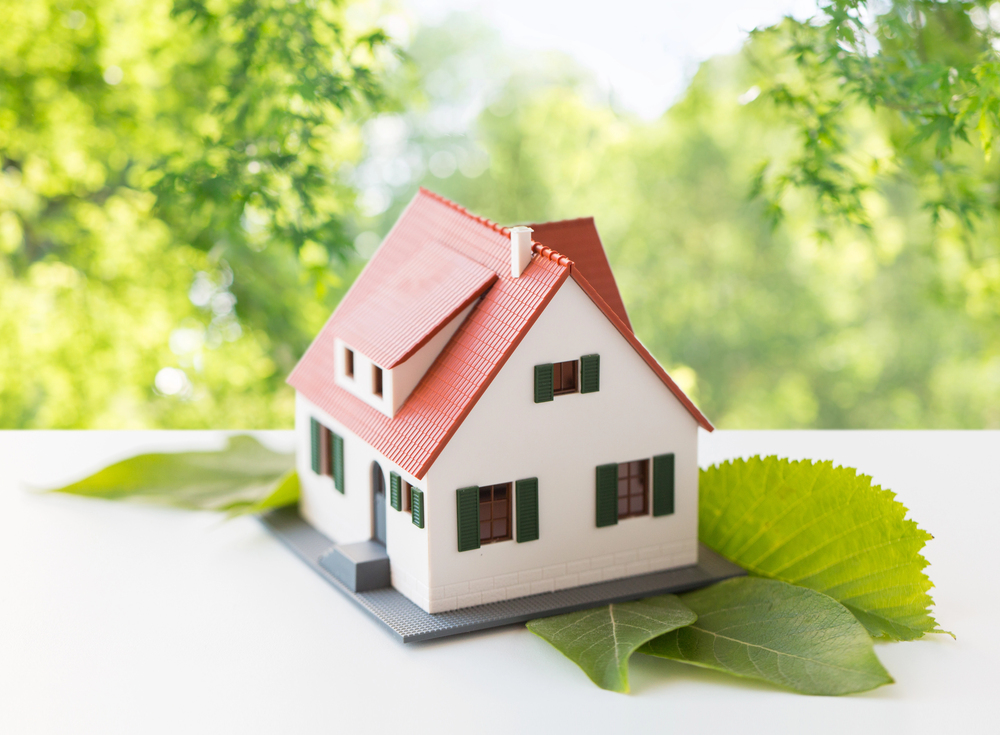
Developing a more eco-friendly home and lifestyle is a great goal to have, but it can be hard to work out where to start. You might not be able to make a lot of massive changes right away, and you may be worried about spending a lot of time and money.
The good news is that there’s no wrong way to be more sustainable. Also, a lot of eco-friendly practices can be more economical as well, especially in the long term. With that in mind, here are a few tips to help you be more earth-friendly in your everyday life.
Sustainable Utilities
The first way households can be more sustainable is by how they use their utilities. Using less energy, water, or gas is inherently more sustainable as it prevents waste, and it can save you money as well. A smart thermostat is a great way to use less electricity without impacting your life, as you can control the heating from afar. For instance, in my home, we use the Nest thermostat, which I can control via app — so even when I am away from my home, I can change the settings for our HVAC system so it will consume less.
Another good choice is opting to use cleaner sources of energy. Solar panels are a popular way to generate your own electricity. For instance, you can even get solar panels for flat roofs, which means that you get a lot of solar power without losing any space in your backyard.
Sustainable Gardening

Gardening is a great hobby to get into, and by growing your own fruit and vegetables, you’re already being more sustainable than relying completely on shop-bought food that has to be shipped to the store and kept in plastic containers. I’m not growing much food this summer except for tomatoes and herbs (basil and rosemary), but just not having to buy those items at the grocery store are a big savings! Plus, I Iove being able to snip a few sprigs of rosemary from my patio to add to my potatoes! You can be even more environmentally friendly by composting food waste, which can help your gardening efforts even more — I put all of my family’s veggie food scraps in a composting bin by our shed, for example.
In addition, it’s not difficult to sort your trash out into recyclable trash, food waste that can be composted, and trash that needs to be thrown out. Even just sorting your trash will help to cut down on how much your family will add to landfills, doing your part to help protect the earth.
Another way to garden more sustainably is to grow local wildflowers, either on the borders of your garden or instead of grass — my perennial coneflowers and black-eyed Susans come back every summer in my sunny flower garden on the side of my house. Choosing native plants like these for your garden will allow local plants and insects to thrive and, even better, is often much easier to maintain than a garden filled with non-native plants that might not be as hardy in your gardening zone or geographical area.
Choose Eco-Friendly Products
Another way to be more eco-friendly in the home is to use earth-friendly products whenever you can. So, for example, instead of using disposable paper towels in the kitchen, you could use reusable cleaning cloths instead. I use these reusable towels, which can be placed on a traditional paper-towel holder —they are quite simple to use! Plus, they are available in fun patterns. You could also try making the switch from paper napkins to cloth napkins. Just these two changes alone can save you a lot of money in paper products!
Another super simple switch is not-buying those big (and heavy!) plastic jugs of laundry detergent; you could get detergent that’s just as good in a small box that will take up little room in your laundry room. I use Clean People’s laundry detergent; it’s also hypoallergenic for my sensitive skin and doesn’t contain the harmful ingredients that other detergents do.
I also now use Seventh Generation’s detergent in my dishwasher. This detergent works just as well other, non-eco-friendly options and it’s free of fragrances, dyes, phosphates, and chlorine bleach. I would really like to buy less of anything that comes in plastic packaging. For example, I’d love to eventually switch from traditional shampoo to a shampoo bar that’s made of earth-friendly ingredients so I wont’ have to recycle as many plastic containers. (But I tend to stock up when things are on sale, so I can’t make the change just yet!)
Sustainable Commuting
Another thing you could adjust in your day-to-day life is your daily commute. If you can, walking or cycling to work can be a good way to get fit, save money, and cut down on your carbon footprint. Some people also find that public transportation can be a viable option for getting to work and back, especially if they you live in a city or a suburb that’s connected via rail lines or bus routes to one.
If you find that you have to drive, then consider switching to an electric vehicle. Electric cars are more expensive to set up initially, but they have much cheaper running costs than traditionally fueled cars and will massively reduce your carbon footprint. When considering an electric car, think about where the nearby charging stations are. You don’t want to drive somewhere and run out of charge without a handy place to top up. If you can’t get a hybrid or electric vehicle just yet, you could also consider sharing your commute with a friend or colleague and use your savings to help you buy an electric vehicle in the future!
With just a few smart changes in your life, you can do your part to protect our planet!
This post contains Amazon affiliate links. If you click on an affiliate link and make a purchase, I may earn a commission that helps to fund this blog. Thanks!
Discover more from momhomeguide.com
Subscribe to get the latest posts sent to your email.
[…] the easiest ways to improve your home is to make it healthier for your family. When you decide to make your home more eco-friendly, you invest in both comfort and sustainability. Consider these […]