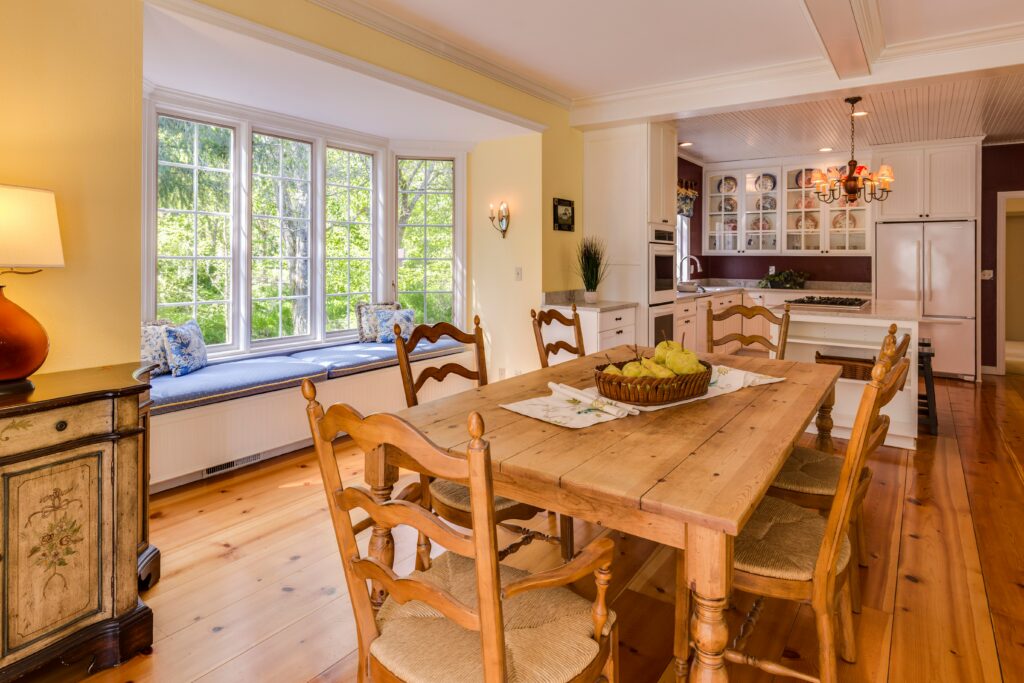
Most homeowners focus on finishes during a remodel. You choose tile, paint and lighting. But the pieces that often stay the longest receive the least attention: your furniture. When it’s at the bottom of your priority list, your space may look complete at first, but it can feel off sooner than expected.
When you remodel around the furniture you intend to keep, you make better layout decisions, get more storage and replace less over time. Homeowners are now considering options like remodeling with Amish furniture, which is built for long-term use. With remodeling costs often reaching $20,000 to $24,000, it makes sense to focus on choices that continue to pay off over time.
So what real, long-term value do you gain when you invest in handcrafted furniture during a remodel?
Fewer Replacements Means More Savings Over Time
Furniture that gets daily use wears out quickly if it’s not built well. Chairs loosen, surfaces get rough, and parts start to fail. When that happens, most people don’t repair these items; they replace them. A few years later, they do the same thing again. What may seem like a budget-friendly choice ends up costing more over time.
Long-lasting furniture helps you avoid that cycle. A well-built dining set can handle years of use without breaking down. That’s where the cost per year of use becomes more practical. Instead of replacing pieces every few years, you keep the same ones longer. Handcrafted furniture is often made from solid hardwood with stronger joints, so it holds up under everyday use. You spend once, and it keeps working for you.
Here’s a quick comparison of how the costs add up over time:
| Type of Dining Table | Upfront Cost | Typical Use Before Replacement | Replacements in 15 Years | Total Cost (15 Years) |
| Low-Quality Dining Table | $500–$800 | 3–5 years | 3–5 times | $1,500–$4,000 |
| Amish Dining Room Table | $2,500–$4,000 | Long-term (often decades) | n/a | $2,500–$4,000 |
Durable Furniture Helps You Remodel Smarter
Once you know which furniture you want to keep, it becomes easier to plan the room around it. You can set the layout properly, leave enough space to move around, and avoid squeezing pieces in later. Storage also becomes more practical because you’re placing it where you actually need it. Even lighting feels more intentional when you know exactly where your main pieces will go.
A good example is a bedroom. When you plan around handmade bedroom furniture, you can decide early where the bed and dresser should sit, how much space you need between them, and where storage makes the most sense. This also helps you avoid short-lived design trends and focus on pieces you’ll keep. You can start by searching “Amish wood furniture near me” before finalizing your remodel plans.
Furniture That Becomes a Family Heirloom
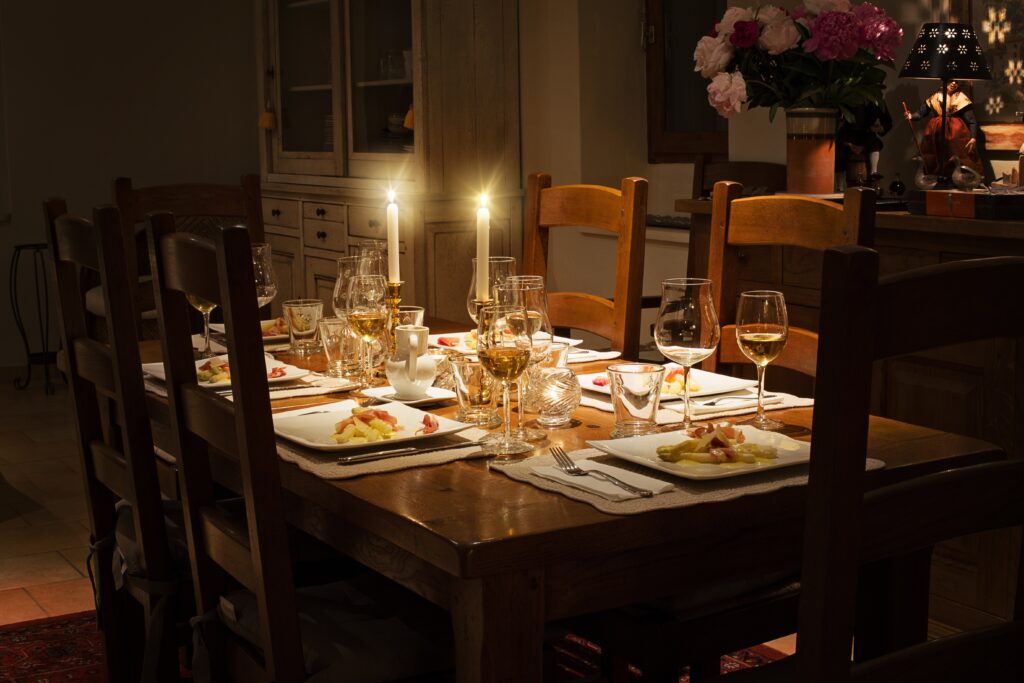
Some pieces don’t get replaced because they still work, they still fit your space, and you’re used to them. Gradually, they just become part of your daily life. You eat there, sit there, and use it without thinking twice. When you move, you bring these pieces with you because they still do what you need and want them to do.
A dining table is a good example. It gets used every day, so it has to hold up. An Amish dining room table is built for that kind of use, which is why it can stay in a home for decades without issues. It often becomes the same table you use for regular meals, holidays, and everything in between. At that point, you’re not replacing it. You’re keeping it because it still works and still belongs in your home.
Long-Lasting Pieces Are Better for the Planet
A lot of furniture doesn’t last as long as it should. Once it starts to break down, most people don’t bother fixing it. It gets replaced, and the old piece gets thrown out. Do that a few times over the years, and it adds up. More replacements mean more waste, and most of it ends up in landfills.
Long-lasting furniture slows that down. When a piece stays in your home for many years, you don’t buy and throw things away as often. Solid wood furniture also tends to be simpler in its construction, with fewer synthetic materials than options like particle board or MDF. Choosing something that holds up over time is not just practical; it’s also more sustainable. It also means less waste leaving your home in the long run.
Better Materials Create Healthier Spaces Over Time
The materials in your furniture matter more than most people realize. Some lower-cost pieces use composite wood, such as MDF or particleboard, which are held together with adhesives. Over time, these can give off small amounts of chemicals into the air. It’s not something you always notice right away, but it’s part of what you live with every day. The EPA says people spend about 90% of their time indoors, so what you inhale inside your home matters.
That is why some homeowners now pay closer attention to materials during a remodel. Handcrafted furniture is often made from solid wood with simpler finishes, so fewer added materials are used. It’s not about being overly strict; it’s just about knowing what you are bringing into your space. Choosing better materials can make your home feel more comfortable over time without overthinking it.
Remodeling With Furniture That Is Built to Last
The real value lies in what happens after the remodel is complete. You spend less because you don’t replace furniture every few years. Your layout works better because it was planned around pieces you actually use. Your home feels more settled because the same furniture stays with you through daily life, not just the design phase. Over time, those choices continue to pay off in ways that go beyond the initial cost.
If you’re planning a remodel, it helps to think about which pieces are worth keeping for the long run and build around them from the start. Focus on furniture that can handle daily use and still fit your home years from now. When you choose pieces built to last, you’re not just finishing a space, you’re setting it up to work better for you over time.
Discover more from momhomeguide.com
Subscribe to get the latest posts sent to your email.
Leave a Reply