These days, home maintenance decisions rarely feel simple. A small stain on the ceiling, a loose shingle after a storm, or a leak that appears only during heavy rain can quickly turn into a stressful question: Should you repair the roof, or is it time to replace it entirely? For most homeowners, the answer is not obvious at first glance, and guessing often leads to unnecessary costs. The type of material your roof has, for example, will affect the cost, and slate roofing may not cost as much to replace as you think. Either way, until you know the material you’re dealing with, you won’t know where to get started! You have to decide whether you have the budget for your roof fixes.
This is where professional roof inspection and repair becomes essential. Instead of relying on assumptions or quick fixes, a structured evaluation helps you understand what your roof is actually telling you and what action makes the most sense.
Why the Repair vs Replacement Decision Matters
Choosing between repair and replacement affects more than just your budget. It influences your home’s protection, resale value and long-term maintenance needs. A repair that addresses only surface issues may look cost-effective today, but it can allow deeper problems to worsen over time. On the other hand, replacing a roof too early can mean spending money you did not truly need to spend.
The key is understanding the condition of the roof as a system, not just as a collection of shingles. That perspective only comes from a proper roof damage assessment carried out with experience and method, not guesswork.
The Role of Professional Roof Inspection and Repair
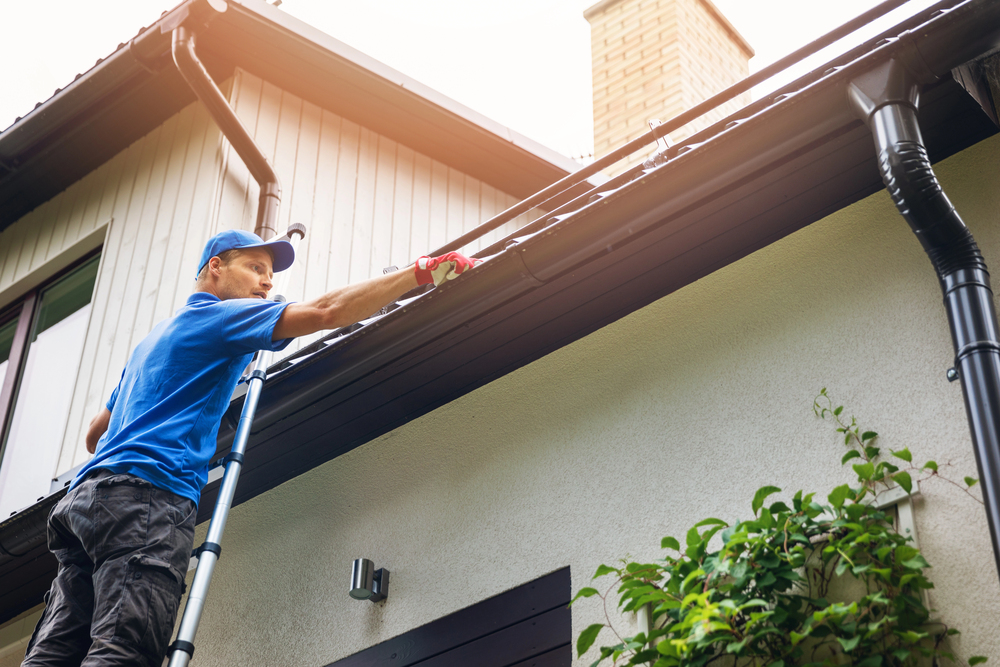
Professional roof inspection services are designed to identify both visible and hidden issues. Inspectors look beyond what can be seen from the ground and examine areas where problems often start, such as flashing, underlayment and ventilation points. This process creates a clear picture of whether damage is isolated or part of a larger pattern.
Homeowners who work with the best roofing contractors gain more than a yes-or-no answer. They receive context, repair recommendations and guidance on how current conditions will affect the roof’s future performance.
What a Roof Condition Inspection Really Covers
A roof condition inspection typically includes surface checks, attic observations and moisture detection. Inspectors assess shingle damage, sealant wear, flashing integrity and signs of trapped moisture. They also look for structural roof damage indicators such as sagging, soft decking or uneven rooflines.
This level of detail helps distinguish between problems that can be solved with targeted residential roof repair solutions and those that point toward a full replacement.
When Roof Repair Is the Right Solution
Not all damage requires major intervention. In many cases, roof repair vs replacement leans clearly toward repair when issues are limited in scope. Small leaks, localized shingle damage or flashing problems are common examples.
Leak detection and roof repair often resolve issues caused by aging sealants or minor storm impacts. When caught early, these repairs extend roof lifespan and restore performance without disrupting the entire system.
Common Repairable Roofing Issues
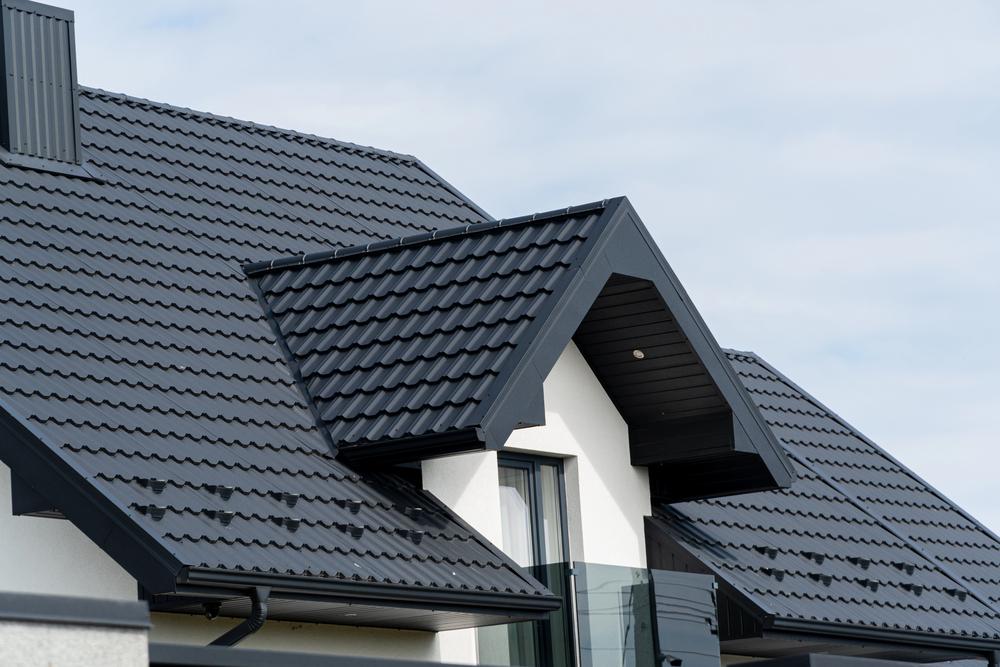
Repairable problems usually involve specific components rather than the whole roof. Shingle damage assessment may reveal cracked or missing shingles in one area. Flashing around chimneys or vents may need resealing. Minor water intrusion after heavy rain often traces back to a single weak point.
Addressing these issues promptly reduces the risk of interior damage and keeps repair costs manageable.
Signs You May Need a Roof Replacement
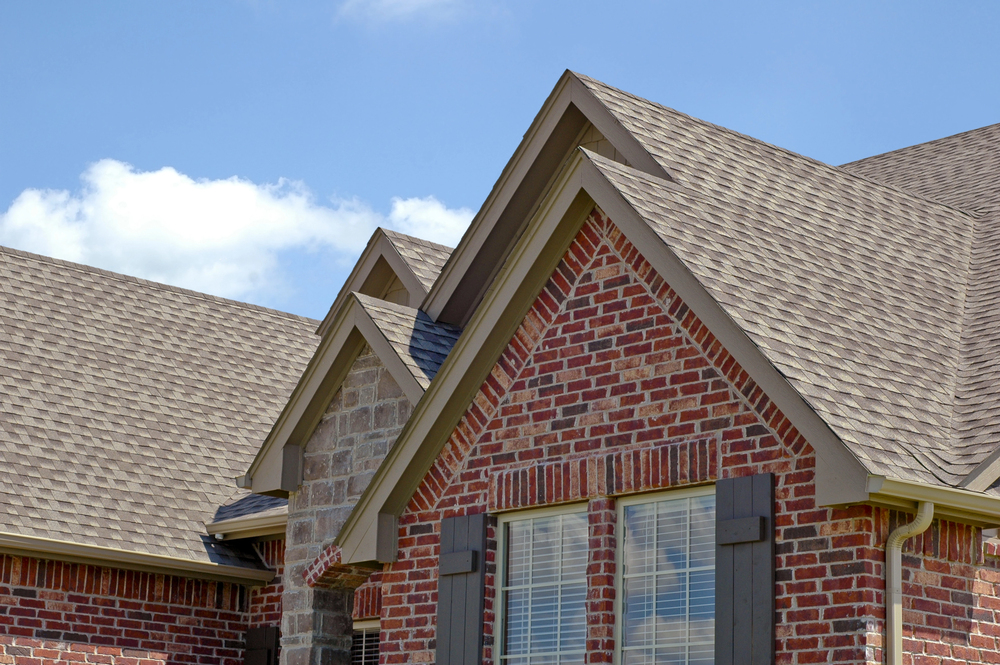
There are situations where repairs no longer offer reliable protection. Aging roof warning signs include widespread shingle deterioration, repeated leaks in different areas and visible sagging. When these issues appear together, they often indicate that the roof system has reached the end of its service life.
A roof lifespan evaluation considers material age, installation quality and exposure history. Asphalt shingles, for example, have a predictable lifespan, and once they reach it, repairs become less effective.
Structural Indicators That Point to Replacement
Structural roof damage indicators deserve serious attention. Soft spots underfoot, persistent moisture in the attic or visible deck rot signal deeper issues that repairs cannot resolve. In these cases, continuing to patch problems often leads to higher long-term costs.
Replacement allows damaged materials to be removed and rebuilt correctly, restoring the roof’s ability to protect the home as a complete system.
Cost Comparison: Repair vs Replacement
The cost comparison roof repair vs replacement is not just about upfront price. Repairs usually cost less initially, but repeated repairs add up over time. Replacement requires a higher initial investment but provides long-term stability and fewer surprise expenses.
Professional roofing evaluation helps homeowners understand this tradeoff clearly. Instead of comparing numbers in isolation, you compare values over the next 10 to 20 years.
How Preventative Inspections Reduce Expenses
Preventative roof inspections play a major role in controlling costs. Regular inspections identify small problems before they escalate, making emergency roof decisions less likely. This proactive approach supports cost-saving roof maintenance and helps homeowners plan rather than react.
Storm Damage and Its Role in the Decision
Storm damage roof evaluation is especially important after severe weather. Hail, wind, and heavy rain can cause damage that is not immediately visible. Shingles may be lifted, seals weakened, or underlayment compromised without obvious signs from the ground.
A timely inspection after storms ensures that hidden damage is addressed early, reducing the likelihood of long-term leaks and structural issues.
Using a Roof Inspection Checklist for Smarter Choices
A roof inspection checklist provides consistency and clarity. Inspectors review shingles, flashing, drainage, ventilation and interior signs of moisture. This systematic approach ensures that no critical area is overlooked.
For homeowners, this process removes uncertainty. Decisions are based on evidence, not assumptions.
Repair Recommendations vs Full Replacement Advice
Clear roof repair recommendations come from understanding how damage affects overall performance. Professionals explain whether repairs will restore reliability or simply delay inevitable replacement. This honesty helps homeowners make confident choices aligned with their goals and budget.
In cases where replacement is advised, discussing roof replacement options early allows for planning rather than emergency decisions.
Long-Term Roofing Solutions for Homeowners
Long-term roofing solutions balance durability, maintenance needs and cost. Whether repairing or replacing, the goal is consistent performance over time. High-quality materials, proper installation and regular inspections all contribute to roof longevity.
Choosing solutions with long-term performance in mind reduces stress and unexpected expenses.
Is Professional Roof Inspection and Repair the Best First Step for Your Home?
When deciding between roof repair and replacement, the smartest first move is clarity. Professional roof inspection and repair provides that clarity by revealing what your roof truly needs, not what seems easiest at the moment.
If you are facing uncertainty about your roof’s condition, schedule an inspection, review the findings carefully and use that information to plan your next step with confidence.