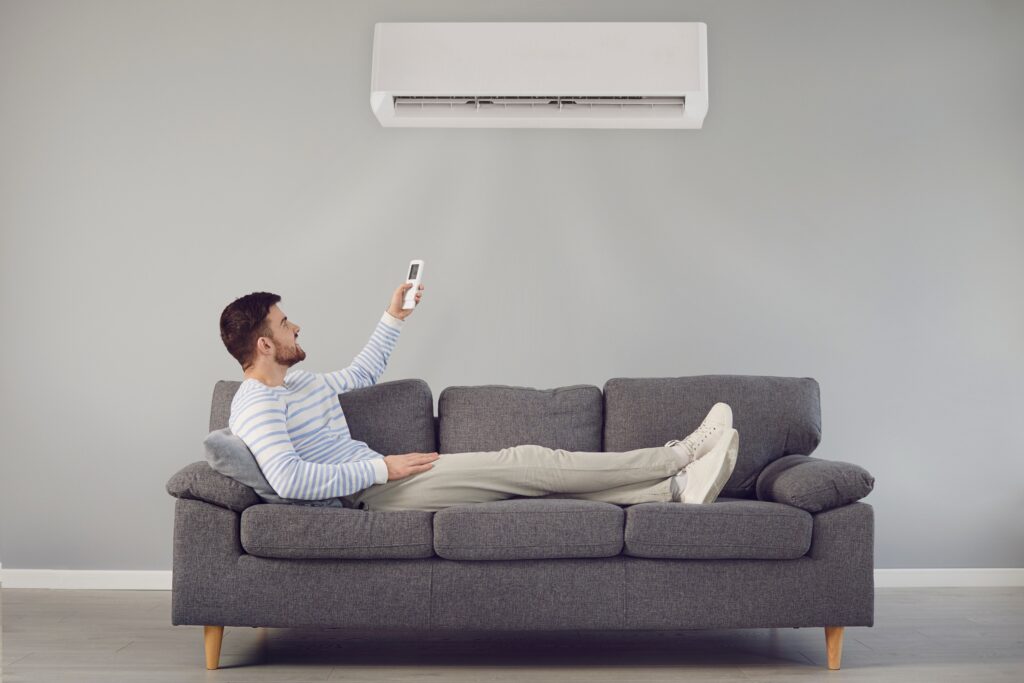
During extreme heat, a thermostat reading can become a daily negotiation. Cranking it down is the most common summer reflex, yet the house may still feel sticky as energy bills rise.
Comfort depends on more than temperature. It also reflects humidity and the heat a house absorbs throughout the day, raising a larger question than the number displayed on the wall.
What Your AC Can Actually Do on a 100-Degree Day
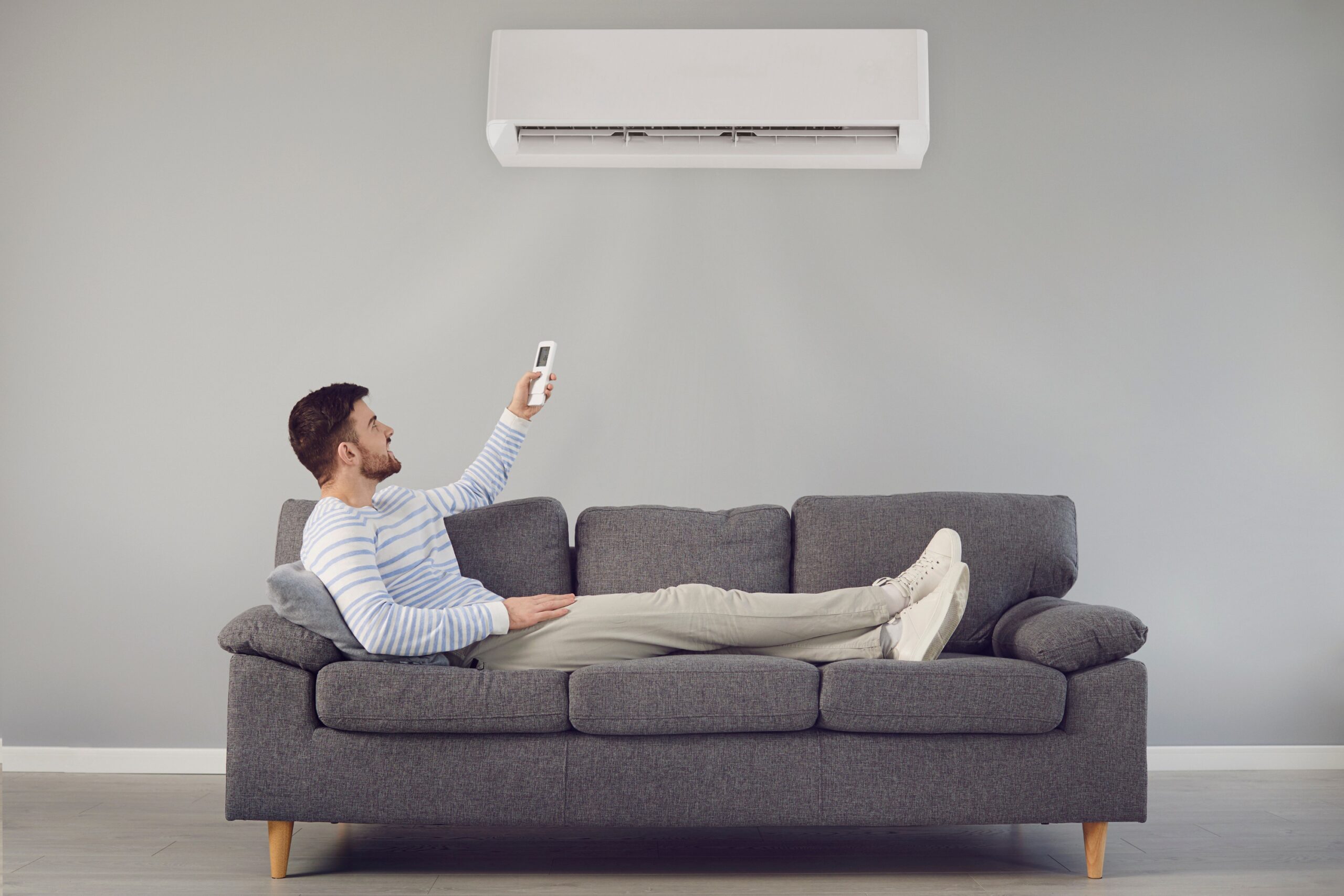
Residential air conditioning usually aims for about a 20°F difference from outdoor conditions. When it’s 100°F outside, an indoor target near 78°F to 80°F, roughly 25°C, is realistic; 68°F generally isn’t.
Why a Lower Setpoint Does Not Cool Faster
A thermostat is a switch, not a throttle, so lowering the setting won’t speed cooling. Undersizing, low refrigerant, restricted airflow, or duct leakage can explain poor performance; separating them requires load calculations and static pressure readings of the kind certified climate control professionals take. Settings can’t repair those faults.
A steady thermostat setting also beats large swings. After a house warms by 8°F, the HVAC system must remove stored heat from walls, floors, and furniture before the rooms feel comfortable again.
Running AC All Day vs Only at Night
Night-only air conditioning costs less per hour because cooler outdoor air reduces the workload. However, switching the AC off all day lets the structure absorb heat, creating a long recovery cycle that can erase those gains.
A modest daytime setback is the better verdict. It limits runtime while the house is empty without forcing the system to fight hours of accumulated heat, helping control cooling costs and energy bills.
Windows, Shade, and When to Open Up the House
South- and west-facing windows admit intense afternoon sunlight. Closing light-colored blinds, lined curtains, or drapes before direct sunlight reaches the glass reduces heat gain before the AC needs to respond.
The Department of Energy recommends window coverings as a practical way to reduce summer heat gain and cooling demand. Reflective or light-colored surfaces work better than dark coverings that absorb solar energy.
Exterior shading performs even better because it intercepts sunlight before the glass warms. Awnings and exterior roller shades provide immediate coverage, while deciduous shade trees on the west side offer longer-term passive cooling.
Those trees block summer sunlight when they’re in leaf. After their leaves fall, lower winter sunlight can still reach the windows, avoiding the year-round darkness created by dense evergreen planting.
Whether to open the house depends on two readings, not the clock. Windows should open only when outdoor air is cooler than indoor air and the outdoor dew point is comfortable, generally below about 60°F.
At 9 a.m., compare the indoor and outdoor temperatures. Once the outdoor reading reaches the indoor temperature, close the windows and coverings, even if the morning still feels pleasant.
During a genuine heat wave, outdoor temperatures and moisture levels may never fall far enough. In that situation, windows stay closed around the clock because night-flush ventilation would bring heat or humidity indoors.
Homes without central AC need directed airflow rather than fans stirring the same warm air. Place a window fan blowing outward on the hot side, and open a window on the shaded, cooler side.
Kitchen and bathroom exhaust fans remove cooking heat and moisture at the source. Ceiling fans should rotate counterclockwise in summer, pushing air downward, but they should run only in occupied rooms because they cool people, not air.
Together, these measures belong among the most useful low-cost ways to beat the heat, particularly when windows receive hours of direct afternoon sunlight.
Humidity Control and the Airflow Behind It
The body releases heat through sweat evaporation. When indoor air already holds considerable moisture, evaporation slows, making a 76°F room feel clammy and prompting occupants to lower the thermostat unnecessarily.
Indoor relative humidity should remain between 40 and 50 percent. Within that range, many people remain comfortable with the thermostat two or three degrees higher because drier air allows sweat to evaporate normally.
Air conditioning removes moisture as warm air passes across the cold evaporator coil. However, an oversized system or one that short-cycles on mild days shuts down before enough air crosses the coil.
A standalone dehumidifier fills that gap in a damp basement or one persistently humid room. Whole-house dehumidification is more appropriate when readings remain high across several floors despite normal AC operation.
Sustained humidity above 60 percent isn’t merely uncomfortable. It creates favorable conditions for musty odors, dust mites, and mold, turning humidity control into an indoor air quality concern.
Moisture removal also depends on airflow. A loaded filter, blocked return, or half-closed supply vent starves the coil of air, reducing cooling and dehumidification while adding strain to the HVAC system.
Filters should be checked monthly during cooling season and replaced when visibly loaded. Closing several supply vents isn’t a substitute for zoning because it can raise pressure inside ducts and reduce system airflow.
Outside, the condenser needs about two feet of open space. Leaves, grass clippings, and accumulated debris should be rinsed away gently, which helps with keeping your HVAC system efficient without bending the delicate fins.
Smart Controls and Upgrades That Pay for Themselves
A smart thermostat doesn’t save energy simply because it connects to Wi-Fi. Its value comes from controlling when the system runs and showing patterns that an ordinary thermostat hides.
A schedule can allow a modest temperature drift while the house is empty. Occupancy detection or geofencing corrects that schedule on irregular days rather than cooling empty rooms according to a fixed timetable.
Remote adjustment allows pre-cooling shortly before occupants return, avoiding an all-day comfort setting. Runtime reports reveal whether AC use increased because of weather, schedule changes, or a developing mechanical problem.
Zoning has the clearest purpose in two-story homes where upper rooms stay several degrees warmer. Smart vents aren’t a universal shortcut because closing too many registers can create pressure that the existing blower and ducts weren’t designed to handle.
Spending should follow a fixed order. Free changes come first: use realistic setpoints, program schedules, close blinds early, and move cooking, laundry, and other heat-producing activities until after dark.
The next tier is under $100. Replace loaded filters, install weatherstripping, and use suitable caulk or foam on air leaks around windows, doors, attic hatches, and plumbing penetrations.
Air sealing should come before attic insulation. Insulation slows heat transfer, but it can’t stop hot air moving through gaps, so adding insulation without sealing leaks leaves an important path untouched.
Once leaks are sealed, attic insulation can reduce heat moving through the ceiling. Older homes often have uneven coverage near eaves, access hatches, or areas disturbed by previous electrical and plumbing work.
Equipment belongs last in the sequence. An ENERGY STAR-certified heat pump provides heating and cooling, but replacement offers better value when existing equipment reaches the end of its service life.
Local utility and state energy efficiency programs should be checked before purchasing. Rebates and incentives often apply to smart thermostats, air sealing, attic insulation, and heat pumps, sometimes reducing the price at purchase or installation.
A Cooler Summer Without a Bigger Bill
Summer comfort comes from managing heat and moisture instead of repeatedly negotiating with the thermostat. A realistic temperature target, shaded windows, controlled humidity, and unobstructed airflow let the cooling system work within its intended limits.
The order matters more than the budget. Free operating changes determine how much value paid improvements can deliver, while sealing and insulation improve energy efficiency before expensive equipment enters the picture.