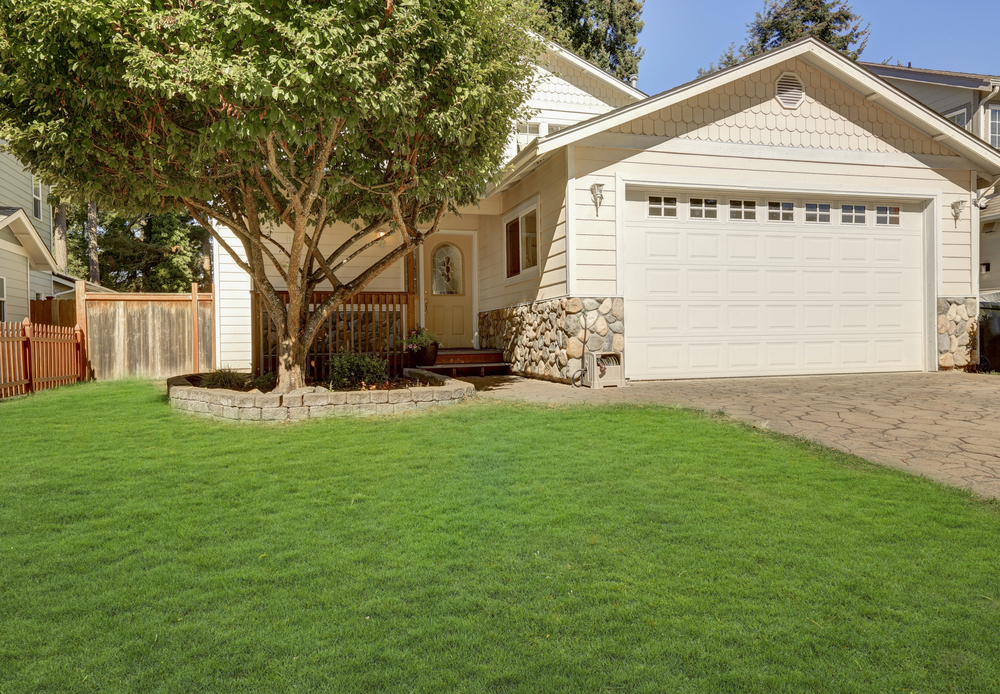
Did you feel that? That chill in the air? Did you hear that? The creaking of your knees as you rake the beautiful fall leaves off the lawn? Time to bring out the fall clothes and make your maintenance lists before the really bad weather creeps in. Thanksgiving is around the corner, and the whole house needs a tune-up before the holidays.
What did your neighbor say? They noticed that your garage door is squealing when it opens and closes. How embarrassing is that? Note to self: Fix the squeaky garage door.
Your garage door is one of the hardest-working things you own — it sits out exposed to the elements 24/7, opening and closing at your whim. It’s about time you bring it back to its younger self. Let’s explore some great maintenance projects to rejuvenate it.
DIY Maintenance Projects For a Garage Door

First, let’s check the weather because where you live can affect your garage door’s maintenance schedule. Here are three examples of different care for different regions.
Coastal areas with high humidity ( e.g., Florida or the Gulf Coast)
- Public enemy number 1 – Salt Air.
- Followed by culprit number 2 – High humidity.
- And not far behind is number 3 – Rain.
This environment can accelerate the rusting of the metal tracks and hinges, and can be hard on the springs.
Easy prevention: Rinsing doors and hardware to remove the salt and make sure there are no rust spots on the door. Make sure seals are in good shape and are keeping moisture out. If your door is wood, use a sealant to keep the weather from permeating the wood surface.
Hot & Arid Climate (e.g., Arizona, Nevada)
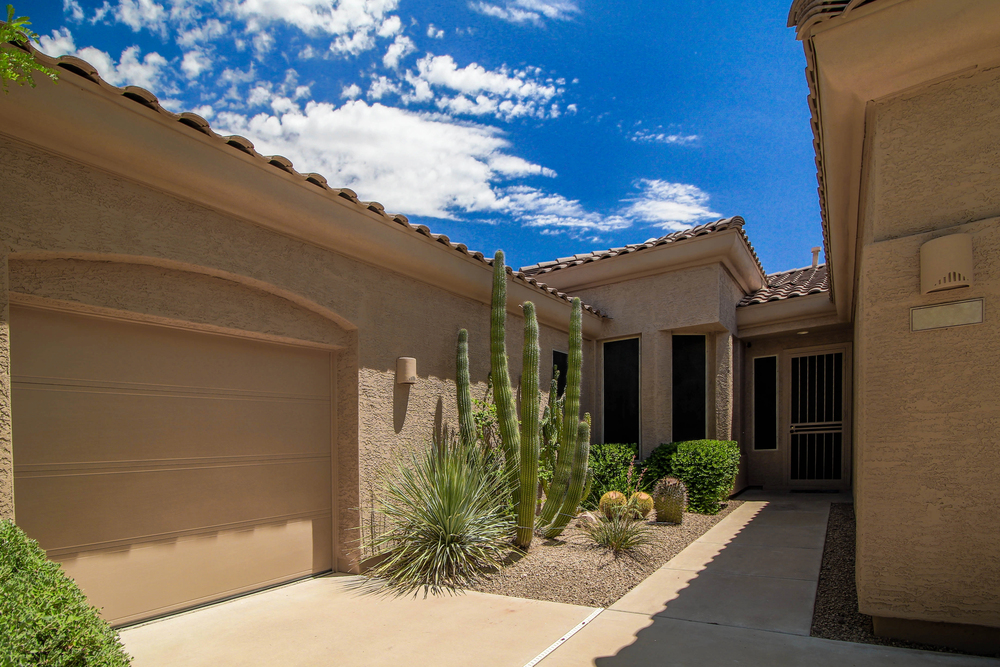
- UV exposure.
- Dust.
- Brutal Heat.
Keep your eye on weather stripping, rubber seals (they can become brittle and crack), fading paint, and weathered vinyl. Be extra careful when it’s sandy or dusty. It can do a number on the door’s springs and moving parts, causing abrasive scratching and grinding.
Prevention Tip: A UV-protectant cleaner or a little waxing session can also help. Plan a mini maintenance plan to clean the tracks monthly to prevent damage from debris.
Cold & Snowy Climate (e.g., Midwest, Northeast)
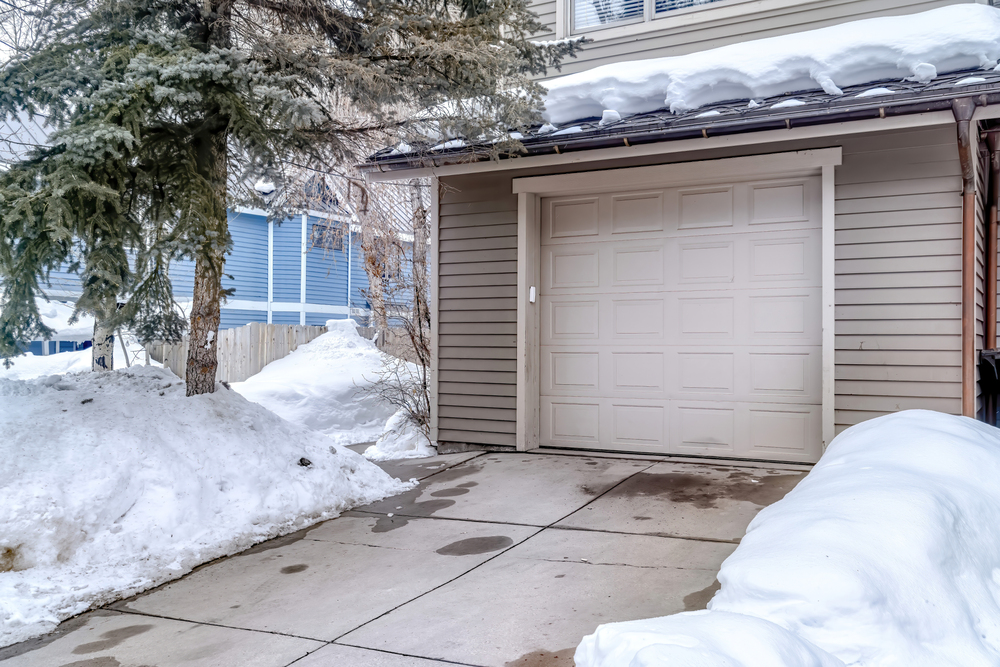
- Snow.
- Ice.
- Road Salt.
- Extreme freezing temperatures.
Clear tracks of snow and ice on a regular basis. Before the bad weather sets in, use a lubricant (cold-weather type) for metal bits and make sure these parts aren’t brittle, so your door won’t blow a spring. Torn rubber seals can be eaten away by the road salt, and so can metal doors, so clear them often and try not to pile snow from the plow against your door.
DIY Tip: If there’s some damage that looks a little bit beyond your DIY skills, call a local expert for an assessment to patch it up. Services like those provided by Shank Door are essential for ensuring repairs (or new door installations) are done correctly, using suitable tools and safety precautions. Not only will a pro do all the work, meaning: 1) you don’t have to, and 2) it’s done correctly, but you’ll also likely get a warranty on the door.
Safety Advice for the DIYer: Never try adjusting springs on your own. The tension on the springs is massive, and if you don’t have the right tools or know how, there can be serious injury to you or to the garage door.
Lubricate Moving Parts
Remember how your neighbor mentioned the squeak? This could be something more than just an annoying noise. That sound normally means there is friction with the wear and tear on the mechanism.
A silicone-based lubricant every six months or so should prevent this from happening.
And while you have the lubricant out, give the same treatment to the rollers, hinges and tracks after cleaning them first.
DIY TIP: Don’t spray WD-40 for lubrication, as it attracts dust and can become tacky with age. Choose something like lithium grease or purpose-made garage door lube. Not only is that more effective, it’ll also be long-lasting.
Balance Tests
If you feel up to it, you can test your door’s equilibrium if you follow these short steps:
Ensure the opener is disconnected (pull the manual release cord)
Manually lift your door halfway up, and if it doesn’t stay in place, the springs may need to be adjusted. (Consult your manual for other tips)
Safety Tests
Check the manual for your door to check if it has an auto-reverse sensor. This is the feature that will auto-reverse the door if there is an object blocking its progress. This safety feature is delicate, so check it monthly to prevent accidents:
Put a shoe, or toy, or something in the door’s path while it is closing, and the sensor should immediately start reversing if the sensor is working right.
If it isn’t, you might have to realign the sensor or give it a good cleaning.
Conclusion
You door will last for a long time if it’s shown care and kept on a strict maintenance program. Now that you have your garage door in shape maybe you can improve the rest of your garage too!
Discover more from momhomeguide.com
Subscribe to get the latest posts sent to your email.
Leave a Reply