
Photo courtesy of depositphotos.com
Lawn care can get expensive fast. Paying $150–$250 a month to a landscaping company quickly becomes $2,000 a year. For families with kids or tight budgets, that’s a lot of money that could be spent elsewhere.
The truth is, a healthy lawn doesn’t actually need a crew with branded trucks and industrial gear. What it really takes is a bit of know-how, a few basic tools and some time on the weekend. Most lawn tasks are simpler than they’re often made out to be.. If you’re the kind of person who, like Bree Van de Kamp from Desperate Housewives, isn’t afraid to get your hands a little dirty to create the perfect home, this article will help you tackle your yard on a budget and keep more money in your family budget.
Why Saving on Lawn Care Isn’t About Being Cheap
When it comes to family finances, every expense matters. Two and a half thousand dollars a year for mowing and fertilizing — that’s summer camp for your kid or that beach vacation you’ve been putting off. But avoiding hiring a professional doesn’t mean that your lawn has to turn into an overgrown mess that’s hard to keep under control.
The truth is, most of what professional lawn care companies do is very standard and routine. These are the same basic tasks you can handle yourself without special training or expensive equipment. In this article, we’ll show you how to take care of most of your yard on your own — and we’ll also explain the few situations where calling professionals actually makes sense. Spoiler: there aren’t many of them.
1. Mowing: Height Matters More Than How Often You Cut
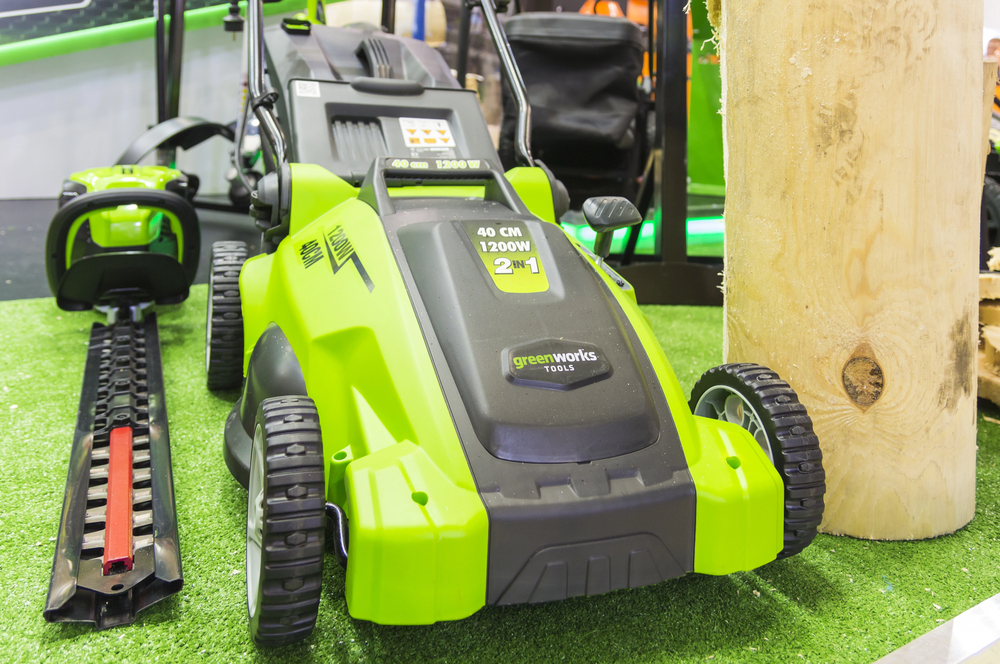
The most common mistake? Cutting grass too short. Keeping your lawn closely trimmed may seem logical—the shorter you cut it, the longer you can go before pulling out the mower again. When it’s kept at about 3–4 inches, its roots can grow deeper and your lawn will be able to handle heat more effectively; weeds will also have less opportunity to take hold.
The one-third rule is the gold standard. Never cut more than one-third of the grass blade in a single mowing. Sharp mower blades make clean cuts instead of tearing the grass. Dull blades leave damaged grass tips that turn yellow and become vulnerable to disease.
One week, mow horizontally across the lawn; the next, switch to a vertical pattern, then follow with a diagonal pass. Varying the direction prevents the grass from adapting to repeated pressure and keeps it from leaning in one direction.
You don’t have to bag the clippings. If you mow regularly, short grass clippings break down quickly and return nitrogen to the soil. That’s essentially free fertilizer, saving you $50–$70 per season on store-bought products. The exception is when grass is overly tall or humidity is high—then it’s best to bag the clippings to help prevent fungal problems.
2. Watering: Less Often Beats More Frequently
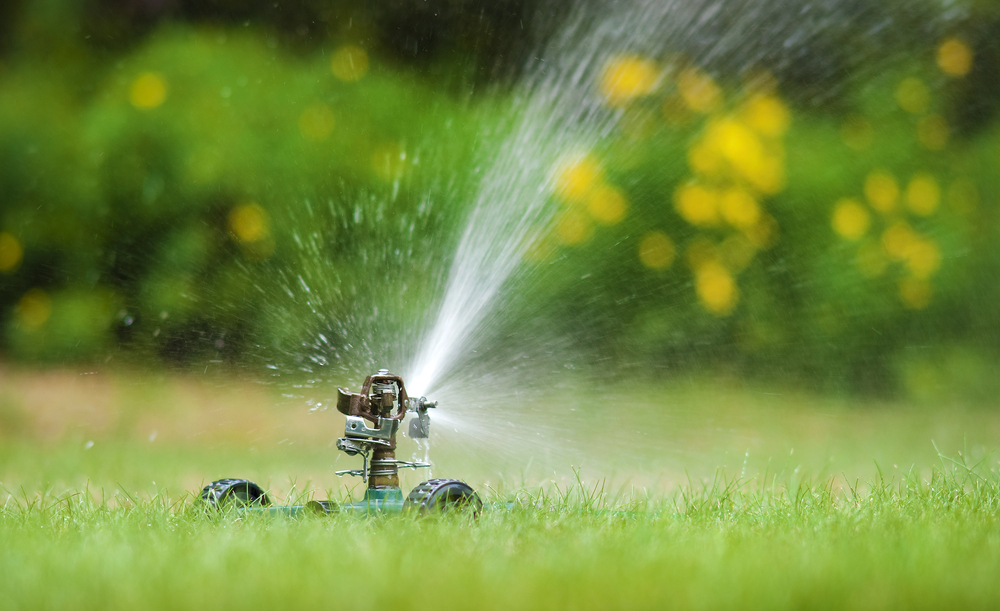
Common practice—water the lawn 15-20 minutes daily. Worst approach possible. Short surface watering forces roots to grow upward toward moisture instead of deep down where water naturally lives. Result? A weak root system that can’t handle the heat.
The right schedule: deep watering once or twice weekly. Your lawn needs 1-1.5 inches of water per session. How do you measure? Set a few empty tuna cans on the grass and run your sprinkler. When the cans fill to 1 inch, that’s your signal to shut off the water. Deeply watering your lawn should take about 40-60 minutes, depending on your water pressure and sprinkler type.
You can also run tests to evaluate your lawn’s watering needs: Step on the grass and see if it springs back quickly. If the blades stay flattened, your lawn i s thirsty. Another indicator is color. When the grass takes on a grayish or dull green shade, that’s your signal to water it.
3. Fertilizing: Four Times a Year Instead of Random Spreading
Fertilize your lawn four times a year, following its growth cycle. For most grass types, that means early and late spring for growth, and early and late fall to strengthen the roots.
Check the numbers on the bag (N-P-K): in spring, choose mixes high in nitrogen for greening, and in fall, pick ones with more potassium to help your lawn withstand the cold. A few tips:
- Use a spreader: Hand spreading never gives even coverage — you’ll end up with burned spots or bare patches. A low-cost spreader will save you a lot of headaches.
- Don’t overdo it: Stick to the recommended amount (up to 0.5 kg of nitrogen per 100 m²), or the grass can burn.
- Mix it up: Synthetic fertilizers give a quick boost in spring, while organic options work best in fall, gradually nourishing the soil.
4. Aeration and Dethatching: Twice a Year and Your Lawn Breathes
Even the best care won’t help if the soil has become as hard as rock. When soil is compacted, water and air can’t reach the roots. What to do:
- Aeration: Create holes in the soil. The easiest way is to rent an aerator ($60–80 per day), which extracts small plugs of soil. For small lawns, even a hand-held aerator or spiked sandals can work.
- Thatching (scarifying): Remove the layer of dead grass if it’s thicker than 1 centimeter, making the lawn feel “spongy” to the touch. Special rakes work well, but this job can be physically demanding.
When to do it: Early spring or early fall is ideal. After these treatments, your lawn may look a bit rough for a couple of weeks, but growth will quickly pick up. It’s also a good time to fertilize or overseed bare spots right after aeration.
5. Overseeding and Weed Control: Prevention Over Chemicals

Photo courtesy of depositphotos.com
Dense grass is the best defense against weeds. When grass grows thick, weeds simply have no room to sprout. But pests often cause bare patches, which are best reseeded right away.
Overseed in spring or early fall. Lightly scratch the soil in bare areas with a rake, scatter seed, cover with a thin layer of compost or soil, tamp down and water regularly. Within two to three weeks, you’ll see sprouts, and within a month, the patch won’t stand out from the rest of your lawn.
Weeds like dandelions or plantain are better pulled by hand, especially if there aren’t many. A special tool with a V-shaped tip (dandelion weeder) lets you extract the entire root, and the plant won’t regrow. This tasks will take 20 to 30 minutes weekly, but you will save money on herbicides.
However, sometimes you just can’t avoid herbicides. Pre-emergent herbicides prevent weed seeds from germinating. Apply them in early spring before the soil warms up. These products create a barrier in the top soil layer, and seeds can’t sprout. But they also work on grass seed, so over-seeding is only possible six to eight weeks after applying it.
When You Should Actually Call the Professionals
Sometimes handling things on your own just won’t work, and trying to save money only ends up costing more. Here are four situations where it’s better not to take the risk:
- Diseases and Fungi
If strange spots appear on your lawn (like brown patch disease), don’t try to guess the problem. Randomly applying the first fungicide you find is just throwing money away. A professional can accurately identify the type of fungus and choose an effective treatment. - Drainage Problems
If puddles form on your lawn after rain, the issue usually runs deeper than the grass. It could be a slope problem or overly compacted clay. Serious earthwork is required here, installing drainage pipes or reshaping the terrain, which is hard to do without experience and proper equipment. - A Lawn That Won’t Respond
You fertilize, water over-seed, and yet the grass still looks weak? It’s time to get a soil test (usually around $30–50). The problem could be a critical pH imbalance, and until that’s corrected, even expensive fertilizers won’t be absorbed properly. - Fighting Shade
Trying to grow sun-loving grass under an old, dense tree is a losing battle from the start. Experts can help you choose shade-tolerant seed mixes or suggest alternatives like moss, groundcovers or decorative mulch.
A Well-Kept Lawn Without Breaking the Family Budget
Professional lawn care is convenient but not necessary. Most lawn tasks are so simple that anyone willing to spend a few hours monthly and follow basic rules can handle them. Proper mowing height, deep and infrequent watering, four annual fertilizations, aeration and timely over-seeding — that’s the foundation of a healthy lawn.
Saving $2000-2500 annually lets families invest money in what truly matters: kids’ education, vacations, unexpected expenses. And your lawn looks just as good as your neighbors’ who pay landscaping companies. It’s not about wallet size but understanding how grass works and what it needs to thrive.
Tools and materials pay for themselves in one season, knowledge stays forever, and the feeling that your yard looks great because of your own hands — that’s a bonus without a price tag.