

An active family home is full of movement—active conversations, kids rushing from room to room, and the steady rhythm of everyday tasks. But all that activity can come with an unwanted soundtrack—rattling doors, scraping chairs, squeaking hinges and the constant grind of different surfaces rubbing together. The good news? You don’t need a major renovation to restore a sense of calm and soundproof rooms. With a few simple, low-friction fixes, you can reduce the noise and create a quieter, more peaceful home atmosphere.
Add PTFE Furniture Sliders to Heavy Pieces
Shifting heavy pieces like sofas, dining tables and bookcases can leave behind more than just scuff marks. Dragging furniture across the floor can not only scratch and damage the it, but also create harsh scraping noises that seem to fill a room. Installing PTFE furniture sliders offers a simple solution. These low-friction pads allow heavy items to glide smoothly instead of grinding against the floor, protecting your surfaces while also significantly reducing noise.
PTFE is an exceptionally low-friction material widely used in slide bearings because it offers excellent wear resistance while significantly reducing surface drag. You may have heard the phrase “PTFE vs teflon”—but Teflon is simply a brand name for PTFE, short for polytetrafluoroethylene. What makes this material so effective in bearings and industrial components is its naturally slick surface, which minimizes contact resistance and allows parts to move smoothly with less noise and wear.
Stick Felt or PTFE Pads on Chair Feet
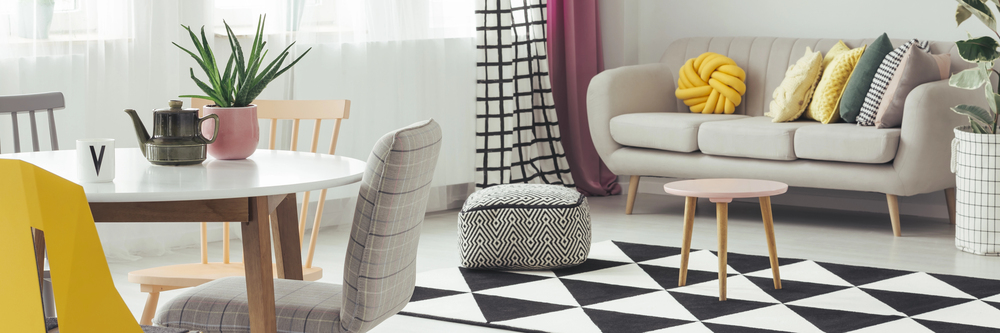
Dining chairs are often the noisiest pieces of furniture in a busy home. They’re constantly being pulled out for meals, pushed back into place, and—especially in households with children—sometimes tipped or rocked on their back legs. Without protective pads or glides, each movement sends chair legs scraping across the floor, creating sharp, repetitive sounds that quickly add up. Over time, this not only increases household noise but can also wear down your flooring.
For family homes, select pads with strong adhesive backing and check them regularly for wear. Felt pads provide a soft option that protects hardwood surfaces, while PTFE pads offer better sliding performance on tile and laminate surfaces.
Use Dry Lubricant on Sliding Door Tracks
Dirt accumulation in the tracks of sliding glass doors and closet doors leads to operational problems that result in grinding and squealing sounds. The correct procedure requires applying dry lubricant spray after vacuuming and wiping the track clean, as oily lubricants will attract more dust.
The application area needs good air circulation, while you must keep the spray away from all children during the entire process. Lubricants allow rollers to move without restriction after they dry, which results in reduced grinding sound production.
Apply Graphite to Sticky Locks and Silicone to Metal Slides
Several common household problems in family homes occur due to sticky locks and squeaky drawers. The internal parts of door locks can be lubricated with graphite powder, as it provides better performance than other lubricants, which attract dust.
A light coat of silicone lubricant applied to metal drawer slides will stop the slides from making noise while they operate. Users need to wipe away any excess product to stop drips from occurring while keeping all product materials away from children.
Upgrade Curtain Rings, Patio Chair Feet and Appliance Pads
The everyday activities that people handle throughout their day can lead to a gradual increase in sound volume. Glide rings with smooth liners serve as replacements for curtain rings. They eliminate the scraping sounds which occur when curtain rings glide along curtain rods. Designs of patio chair feet require durable skids that prevent direct contact between the feet and concrete or decking material.
The vibrations from refrigerators and washing machines travel through building floors, causing sound to spread throughout the house. Installation of anti-vibration foot pads under equipment will safeguard floor surfaces from damage while also reducing sound emissions.
Quiet Home with Simple Fixes
Reducing noise in the home doesn’t have to require costly renovations or major home upgrades. In many cases, sound reduction starts with addressing the everyday friction points that cause unnecessary scraping, rattling and squeaking. By using the right low-friction materials and keeping up with simple maintenance, you can create a noticeably quieter home while also protecting your floors.
Even small gaps or contact points between frequently used furniture pieces can become ongoing sources of noise during daily life. Addressing those trouble spots with practical, low-cost solutions can make a meaningful difference in both comfort and calm.
This post contains Amazon affiliate links.