
Creating a healthy and happy home means not only paying attention to the environment but also managing medical conditions effectively. With studies showing that about 30% of people worldwide experience allergies, with that percentage growing, it’s important to take steps to keep them under control. This is especially true for children. While their natural energy and resilience can make them appear unstoppable, even mild asthma symptoms can worsen over time if left unchecked.
The solution lies in using effective strategies to help our children live full, active lives while keeping risks to a minimum. Here are some practical ways parents can manage childhood asthma.
Create and Follow an Asthma Action Plan
Every child with asthma should have a personalized action plan created in partnership with their healthcare provider. This plan outlines which medications are needed daily, how to spot early signs of worsening symptoms, and the exact steps to take during a flare-up. It’s also important that everyone involved in your child’s care—babysitters, teachers, and other caregivers—understands the plan. Consistently following it will not only help keep symptoms under control but also ensure quick, confident action in an emergency.
Maintaining Clean and Healthy Air Indoors
Asthma flare-ups are often triggered by airborne allergens and irritants. If your child’s symptoms seem worse at home, take a closer look at your home environment to identify possible factors like dust, mold or pet dander.
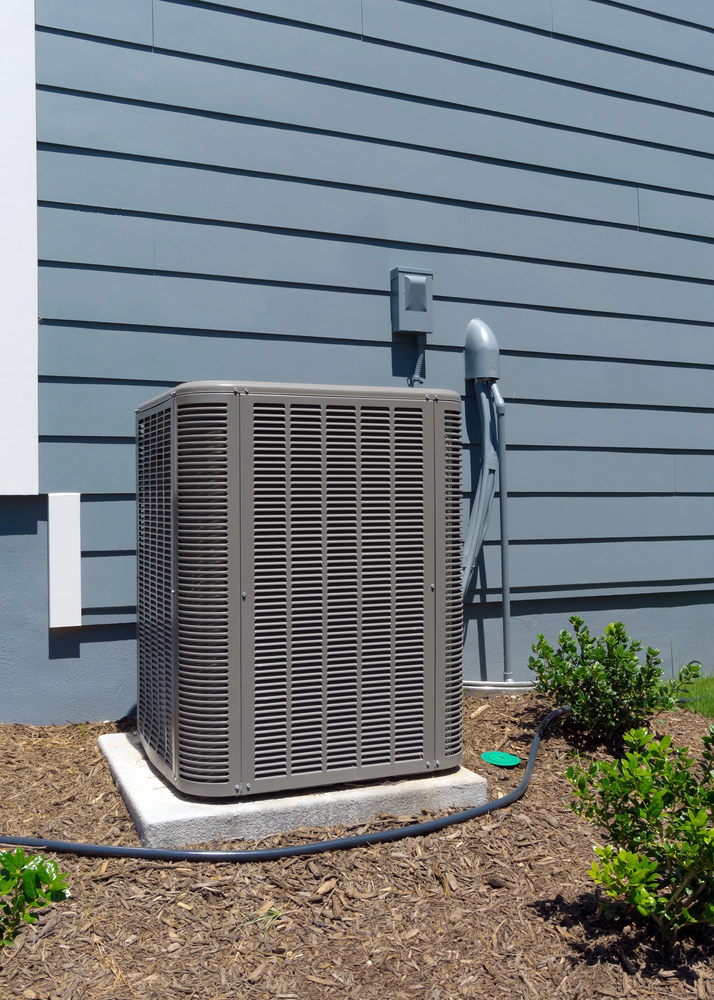
For example, air conditioning units and air filters can harbor dust mites, pollen, and mold—all common asthma triggers. To help minimize these risks, consider scheduling professional HVAC services, such as those offered at https://www.southwesthvac.com, to ensure your home’s ventilation systems are working properly, filters are up-to-date, and humidity levels are not promoting mold or dust mite growth.
Identifying and Avoiding Triggers

Pollen, pets, smoke and even changes in the weather can all trigger asthma flare-ups. Identifying specific allergies—and, when possible, testing for them—can make it easier to take the right precautions to protect your child. Allergen testing is widely available, including through https://www.childrenshospital.org/. Still, managing asthma isn’t just about understanding its riggers; it also about staying consistent with prescribed medications and making sure your child always has quick access to their rescue inhaler or nebulizer. After all, prevention is always better than waiting to treat symptoms after they appear.
Encouraging Self-Management
Depending on child’s age, it can be quite useful to help them understand asthma and how it works and teach them how to positively contribute to their individual care. If you can teach them how to track their own symptoms, they can learn how to recognize asthma’s early warning signs; it can also give you as a parent valuable insight to keep your child safe and healthy.
Emphasizing Routine and Emotional Support

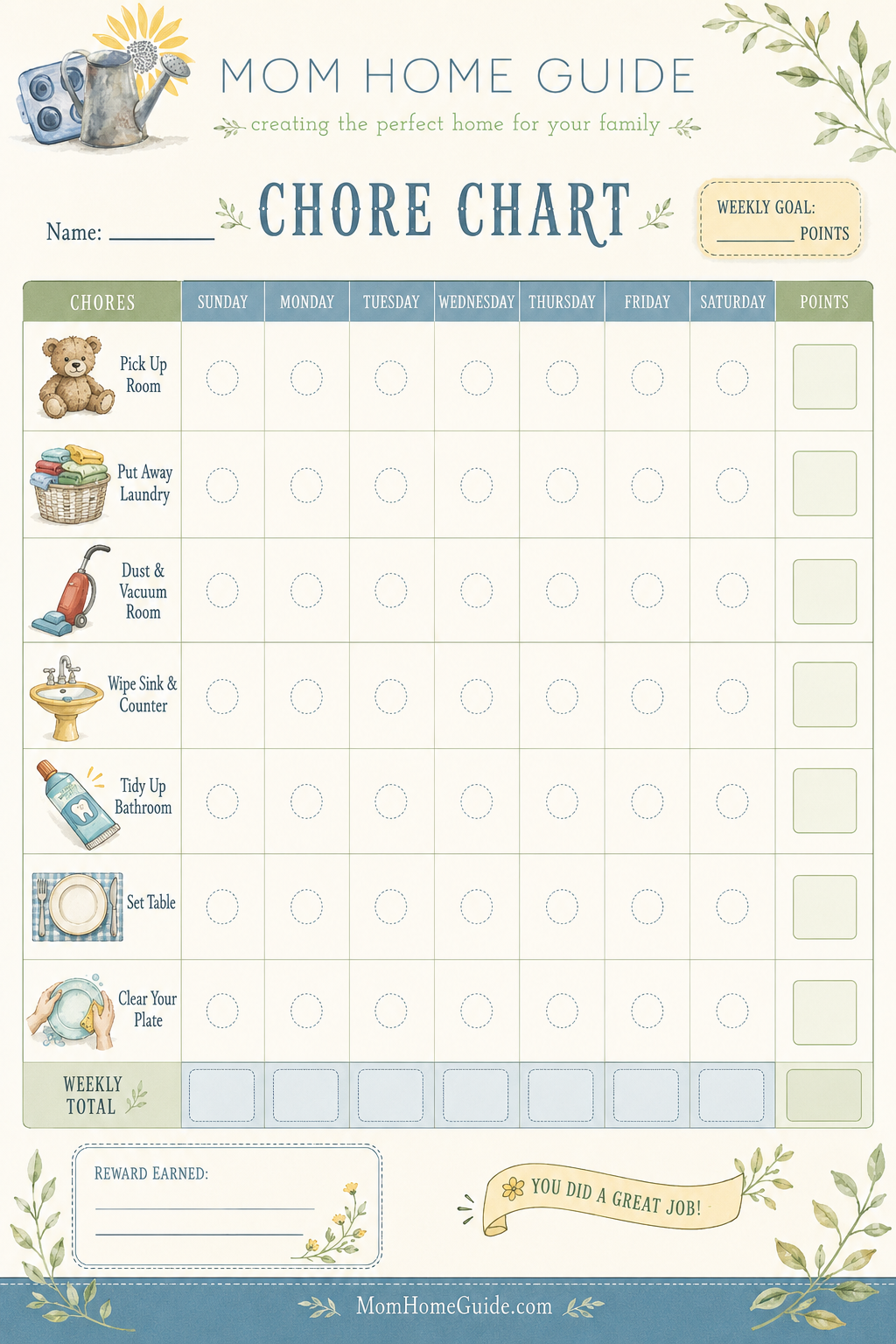
Helping your child incorporate asthma management into everyday routines—like packing their school bag or brushing their teeth—can make the process feel natural and less stressful. Connecting with other families can provide emotional support, access to helpful information, and a sense of encouragement along the way.
Asthma doesn’t have to be limiting. By establishing these healthy habits and support systems, you can lay the groundwork to help your child—and yourself—lead a happier and healthier life.