
Wisdom teeth removal is a common milestone in young adulthood. But as a busy mom, you may wonder if and when your child really needs them out. The truth is, waiting until wisdom teeth become painful or problematic can lead to more complex issues that are harder (and more expensive) to treat. Dental professionals agree: Proactive removal is often the best choice.
If you’re looking to be ahead of the curve and prevent unnecessary discomfort for your child, here are seven expert-backed reasons to consider having their wisdom teeth extracted sooner rather than later. For instance, the team at Paramount Dentistry specializes in preventive care and wisdom teeth evaluations, helping families make informed choices before problems start.
1. Third Molars Often Don’t Have Room to Grow In
By the time wisdom teeth emerge (typically between ages 17 and 25), the rest of the mouth has usually settled into its final form. But our jaws have gotten smaller over generations, and most people simply don’t have enough space for these extra molars. As a result, wisdom teeth often grow in at odd angles, push against other teeth, or get stuck under the gums.
Dental experts recommend removing wisdom teeth before these issues arise. According to the American Association of Oral and Maxillofacial Surgeons (AAOMS), about 85% of people eventually need their wisdom teeth removed, often due to impaction or crowding.
A quick consultation with a dentist or oral surgeon can help determine if there’s enough room for safe development or if early removal is the best option.
2. Impacted Teeth Can Cause Pain and Swelling

When wisdom teeth can’t fully break through the gum line, they become impacted. Impacted teeth can lead to pain, swelling, jaw stiffness and even infections. The pain may start off mild and intermittent, but it can escalate quickly, making everyday activities like chewing or speaking uncomfortable.
According to AAOMS, “pain-free does not mean disease or problem-free. In fact, wisdom teeth that come in normally may still be prone to disease.” This highlights that even symptom-free wisdom teeth can be silently harmful.
Rather than waiting for symptoms to flare up, dentists often advise preemptive removal. This approach allows for a smoother procedure and shorter recovery time.
3. They Can Crowd or Damage Nearby Teeth
Wisdom teeth can push into the molars next to them as they grow in, causing misalignment or damage. This crowding can undo years of orthodontic work, particularly for teens who’ve worn braces. For moms who have invested time and money into straightening their kids’ teeth, this is a key reason to act early.
The American Dental Association notes, “A wisdom tooth that is impacted can form a cyst on or near the impacted tooth. This could damage the roots of nearby teeth or destroy the bone that supports your teeth.”
By removing wisdom teeth before they erupt, you protect your child’s dental alignment and avoid future orthodontic complications.
4. They Increase the Risk of Infections and Gum Disease
Wisdom teeth are located far back in the mouth, making them difficult to clean thoroughly. Even if they grow relatively straight, they can trap food and bacteria, creating the perfect environment for cavities, infections and gum disease.
Pericoronitis, a common infection linked to partially erupted wisdom teeth, causes inflammation, pain and sometimes fever. According to the University of Washington School of Dentistry, “the absence of symptoms does not necessarily mean the absence of disease,” reinforcing the risk of silent infections.
Removing these teeth can significantly reduce the risk of chronic oral health problems, particularly in young adults.
5. Cysts and Jaw Damage Are Possible
An untreated impacted tooth isn’t just a pain risk—it can also damage the jawbone. Sometimes, a fluid-filled sac (cyst) forms around the impacted tooth. Over time, these cysts can erode nearby bone and teeth, and in rare cases, develop into tumors.
Scientific literature supports this: “Early extraction of asymptomatic third molars is considered beneficial to prevent the risk of future pathology.” Acting before complications arise can help preserve the structure and strength of your child’s jaw.
Regular dental checkups and imaging can allow for early detection of these conditions, offering peace of mind for parents.
6. Healing Is Faster and Easier at a Younger Age
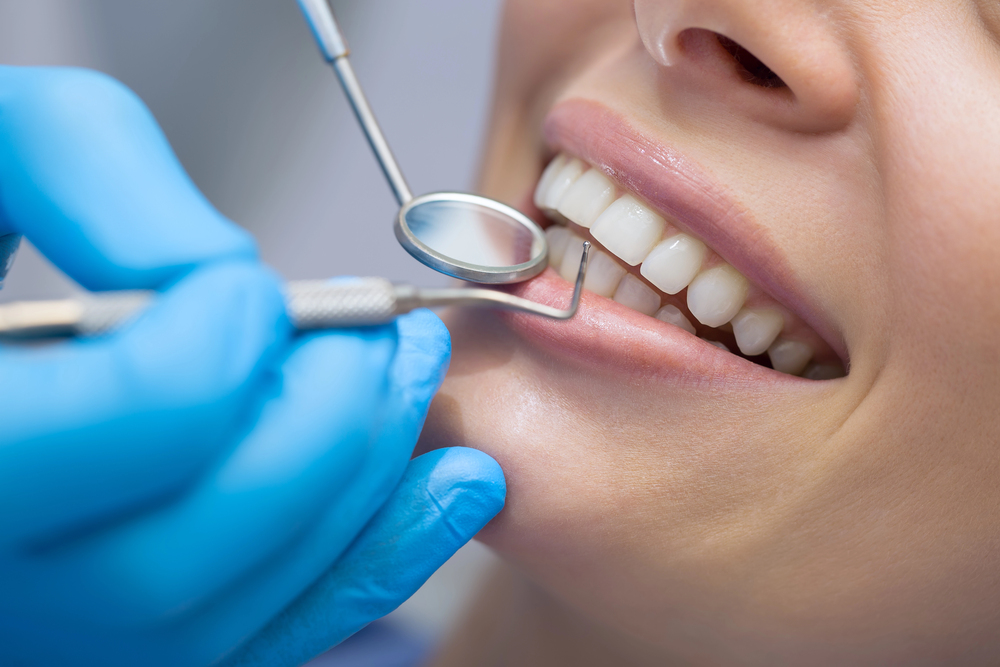
Younger patients generally heal more quickly and with fewer complications. Oral surgeons recommend removal during the late teens or early twenties, when the roots of the wisdom teeth are not yet fully formed, and the surrounding bone is softer.
This makes the extraction process smoother and reduces the risk of nerve damage or prolonged recovery. In contrast, waiting until later in life can lead to more complex procedures and longer downtime. Healing is not only faster in younger patients, but they also tend to bounce back with fewer post-operative issues.
7. Delaying Removal Often Leads to Emergency Surgery
Wisdom teeth rarely cause problems at convenient times. Pain, infection or swelling can hit during school exams, vacations or special events. Emergency removals tend to be more stressful, rushed and harder on the body.
AAOMS recommends, “All third molars should be evaluated each year for potential problems. When warranted, they can be removed…Complications increase dramatically with age.”
By scheduling an evaluation in advance, you can avoid painful surprises and get ahead of potential emergencies.
Conclusion: Prevention is Key When It Comes to Wisdom Teeth
When you’re juggling a household, kids’ schedules, and your own responsibilities, it might be tempting to delay dental decisions until there’s a clear need. But in the case of wisdom teeth, waiting can turn a simple procedure into a serious problem.
Getting ahead of wisdom teeth issues by speaking with a dental professional now can save your child (and your wallet) a lot of pain in the future. For trusted care and expert guidance, it’s best to have comprehensive consultations beforehand and look for professionals who offer gentle wisdom teeth extractions to help your family stay smiling and stress-free.
Even if your child isn’t currently experiencing symptoms, an evaluation can uncover hidden issues before they escalate. When it comes to oral health, a proactive approach is always a smart move.
References
American Association of Oral and Maxillofacial Surgeons. (n.d.). Wisdom teeth.
American Association of Oral and Maxillofacial Surgeons. https://aaoms.org
American Association of Oral and Maxillofacial Surgeons. (n.d.). Management of third molar teeth.
American Dental Association. https://www.ada.org
Dodson, T. B., & Susarla, S. M. (2014). Impact of age on third molar surgery. Oral and Maxillofacial Surgery Clinics of North America, 26(1), 1–10. https://doi.org/10.1016/j.coms.2013.09.001
Kandasamy, S., & Rinchuse, D. J. (2009). The wisdom behind third molar extractions. Australian Dental Journal, 54(4), 284–292. https://doi.org/10.1111/j.1834-7819.2009.01144.x
University of Washington School of Dentistry. (n.d.). Evidence?based management of third molars.
University of Washington. https://dental.washington.edu
Discover more from momhomeguide.com
Subscribe to get the latest posts sent to your email.
Leave a Reply