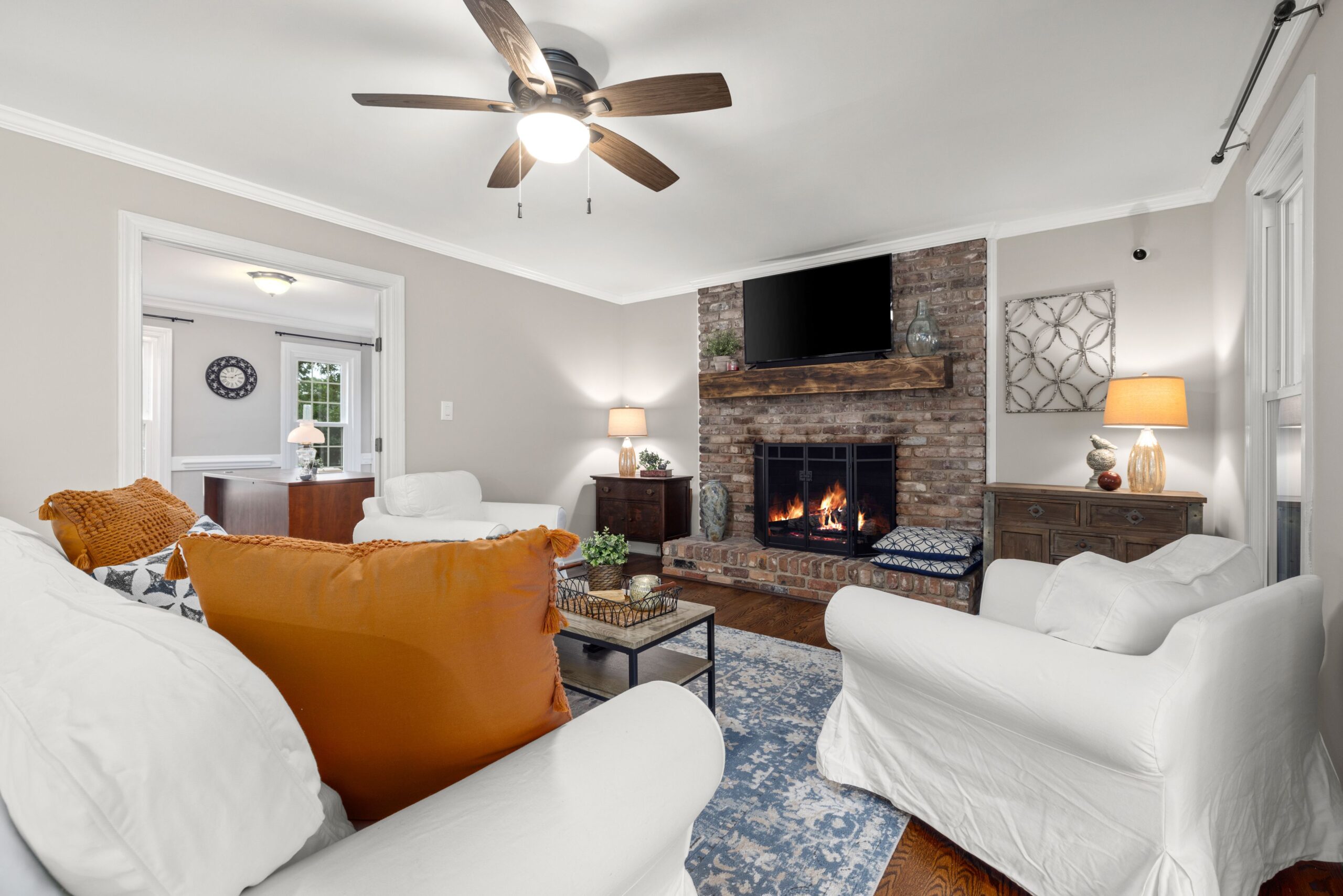
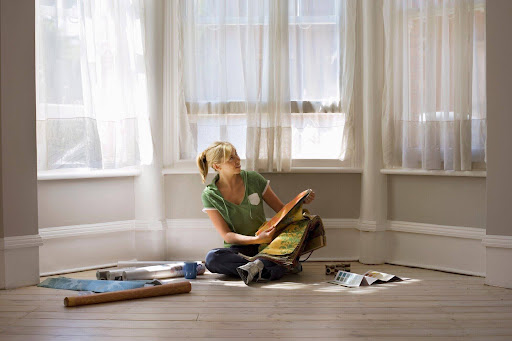
When decorating a new home, many people start by saving photos they like and then move on to choosing furniture, colors, and accessories. But once the renovation begins, they may find that individual pieces look great on their own but do not always work well together.
Good interior design is about more than making a home look beautiful. It also involves planning the layout, understanding daily habits, and choosing solutions that suit your needs. Browsing different design projects before renovating can help you find a style that works for your home.
Elife is a home renovation website featuring designers’ work and renovation case studies. Whether you prefer a clean, modern look or something with more personality, you can explore different projects for inspiration and start planning your own space.
1 – Embrace Minimalism for a Timeless Look
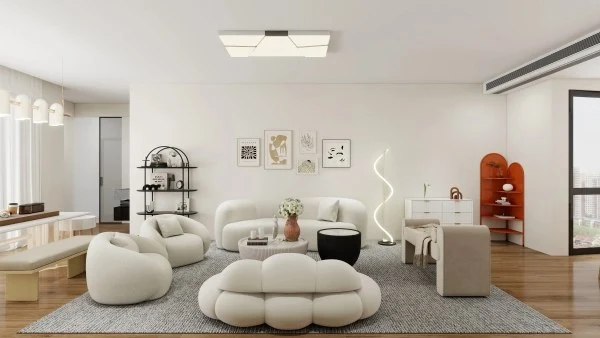
If you are unsure which style suits your home, minimalist design is a good place to start. Clean lines, soft colors, and functional furniture are easy to combine and help keep a room from feeling cluttered.
For example, you could pair a beige sofa with a wooden coffee table and a few simple wall decorations in the living room. In the bedroom, light-colored bedding, soft lighting, and a small number of accessories can create a more relaxing atmosphere.
This is one reason minimalist interior design remains appealing. It does not mean removing everything from a room. Instead, it focuses on keeping the furniture and decorations you genuinely need, giving each part of the space a clear purpose.
For more ideas, explore EClife’s minimalist interior design projects. You can see how different spaces use colors, furniture, and layouts to achieve a simple yet inviting look.
2 – Use Colors and Materials to Add Depth
Sometimes, a room feels out of balance not because the furniture is wrong, but because the colors and materials do not work well together.
If you prefer a warm, natural look, try combining beige walls, wooden furniture, and soft textiles such as cotton or linen. For a more modern style, gray, black, and metallic accents can add contrast. You can also introduce small touches of brighter colors through cushions, rugs, or artwork.
When looking for home decor ideas, start by choosing a main style and then build around it. For example, if your flooring and furniture already have strong textures, you may want to keep the walls, curtains, and accessories relatively simple.
This creates a more coordinated look and makes it easier to update your soft furnishings later without renovating the entire room.
3 – Focus on Layout Before Decorations in Small Spaces
When decorating a small home, it can be tempting to add more furniture and storage to solve every problem. However, too many items can make the space feel even more cramped.
For smaller homes, start by considering furniture size and placement. A bed with built-in storage, wall-mounted shelves, or an open-plan layout can help make better use of the available space. Keeping the living and dining areas visually connected can also make a home feel more open.
Natural light matters, too. Keep the areas around windows relatively clear and combine light-colored walls with suitable lighting to help the room feel brighter.
You do not need to buy every piece of furniture at once. Measure the room, decide how much space you need for everyday activities, and then choose furniture that fits. This is often more practical than focusing on decoration alone.
4 – Follow Interior Design Trends Without Copying Everything
Home design continues to evolve. From natural materials and soft color palettes to spaces that emphasize comfort and personal style, current interior design trends offer plenty of ideas for updating a home.
However, a popular style will not necessarily suit every household. Dark walls can look sophisticated, for example, but rooms with limited natural light may need more careful lighting and furniture choices. Similarly, an open-plan layout can create a sense of space, but you should also consider your family’s routines and storage needs.
Following interior design news can help you discover new ideas, materials, and ways to organize a space. The key is to choose the elements that make sense for your home rather than adopting every new trend.
Think about how you actually live. If you enjoy reading, you could create a comfortable reading corner. If you cook frequently, you may want to prioritize an efficient kitchen layout. A design that supports your everyday routine is often more valuable than one that simply follows the latest fashion.
5 – Find Inspiration in Real Home Design Projects
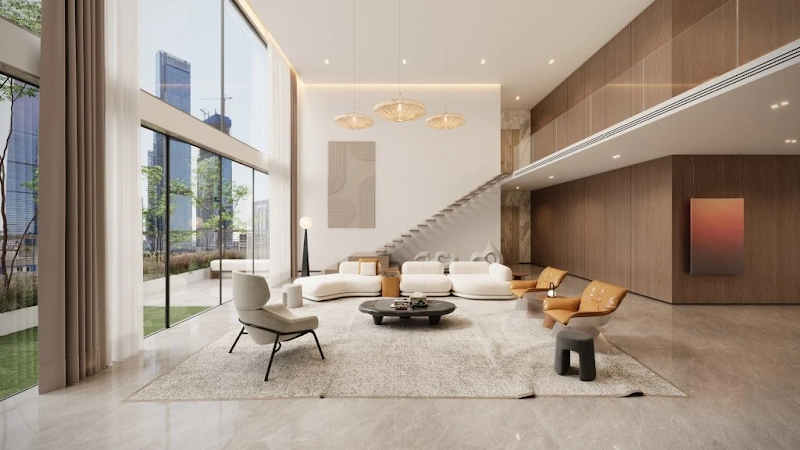
If you have browsed dozens of photos but still cannot decide how to put everything together, looking at complete renovation projects can help.
It is difficult to imagine how a sofa or light fixture will look in your home from an individual product photo. A complete design project shows how wall colors, flooring, furniture, and lighting work together, as well as how the same style can be used in different rooms.
On EClife’s interior design styles page, you can explore a range of design projects and find ideas for living rooms, bedrooms, kitchens, and other spaces.
As you browse, make a note of the details you like, such as a particular color combination, storage solution, or furniture layout. You can then adapt these ideas to your floor plan, budget, and lifestyle instead of copying another home exactly.
Conclusion
Good interior design does not have to involve complicated decorations or expensive furniture. The right color combinations, a practical layout, and furniture that suits your daily needs can all make a home more comfortable.
Before starting a renovation, explore different projects and collect home decor ideas that match your preferences. Learn about different styles, keep an eye on interior design trends, and use what you discover to make informed choices. Rather than chasing every new trend, focus on creating a home that reflects your personal style and works for everyday life.