Furniture shopping is one of those household tasks you rarely get to do every day. Your choice can either torment you for years or keep your family happy for decades.
There are thousands of poorly crafted furniture pieces discarded every day across the country because they fail to withstand active family life. Too many options, flashy ads, and deceptive showroom looks make the process overwhelming.
As your family grows, needs also evolve. You need a clear strategy to filter out temporary trends and find pieces built for real life.
Anticipating Changing Household Stages
Children grow fast, and room layouts must evolve right along with them. A nursery crib quickly turns into a toddler bed before you even notice the transition.
Planning ahead means looking past the current toddler phase and visualizing the teenage years. Furniture should accommodate shifting hobbies, study habits, and personal styles without requiring a total room overhaul.
Investing in Timeless and Durable Materials
When looking for dining, bedroom, or living room furnishings for your home, durability is something you cannot overlook. Everyday wear and tear from kids and pets will test the limits of cheap veneers and hollow particle board.
Many growing American households start at an Amish furniture store where they are sure to get quality pieces made from solid hard wood. And for those who fancy shopping online, a store re like Penn Dutch Furniture brings these handcrafted pieces to your door step.
Investing in solid oak, maple, or cherry ensures your tables and bed frames withstand decades of heavy daily use.
Embracing Modular and Adaptable Layouts
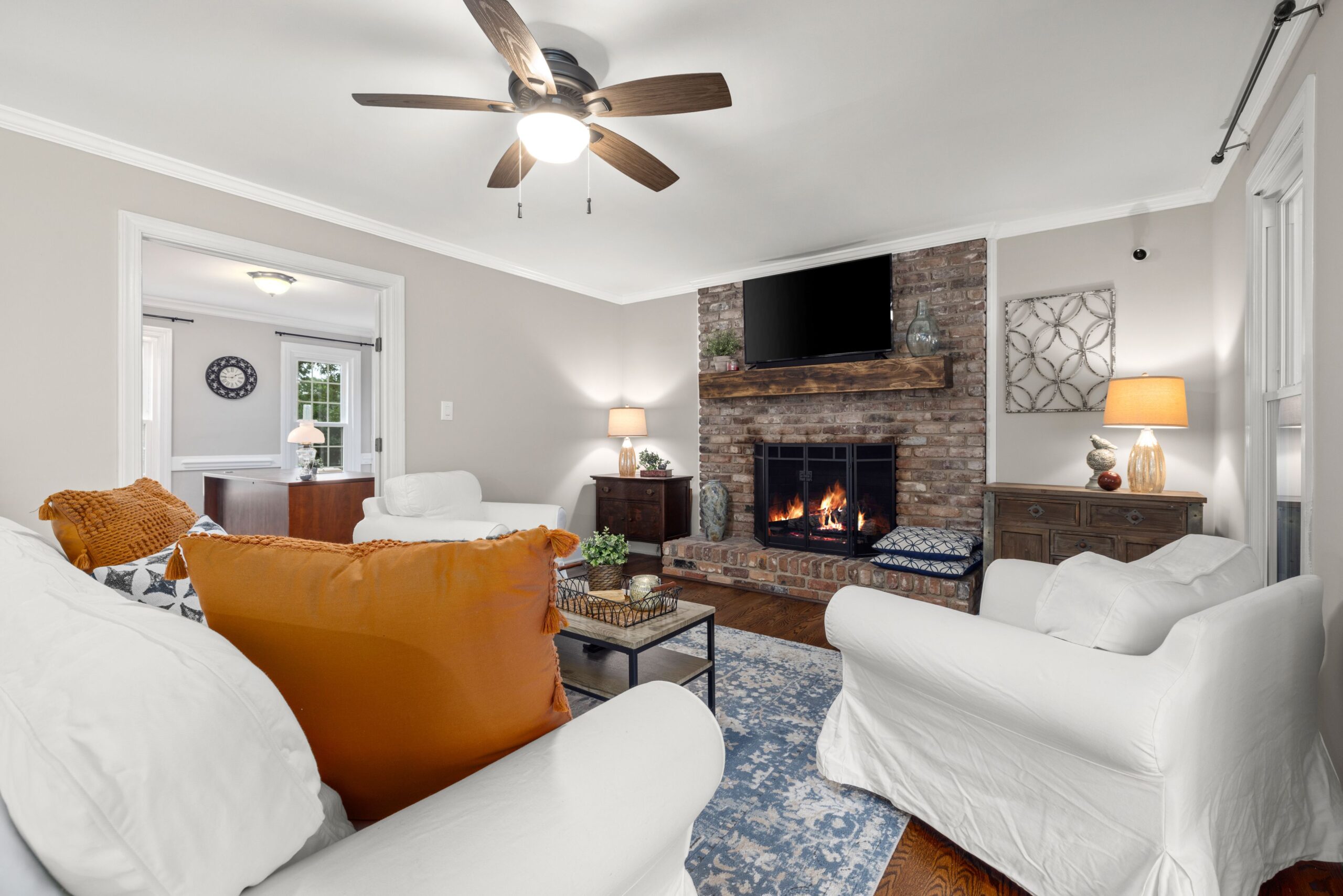
Modular configurations offer incredible flexibility as your children grow from toddlers into teenagers. You can rearrange sectional sofas or modular shelving units to fit changing room dimensions and functional needs.
Here are key ways modular setups adapt to your home:
- Sectional sofas split apart to create separate seating areas as kids claim their own spaces
- Modular shelving units reconfigure vertically or horizontally to store expanding book collections and electronics
According to insights shared in this home design report, flexible room layouts reduce long-term replacement costs significantly. Smart homeowners select versatile frames that transform alongside their daily routines.
Prioritizing Safety and Child-Friendly Edges
Active households require furniture designed with safety as a top priority. Soft and round edges lower the risk during bumps while protecting your rugs and flooring from scratches and dents.
Sharp corners on coffee tables present unnecessary hazards for running toddlers and playful pets. Rounded profiles and solid anchoring kits keep every room secure without sacrificing aesthetic appeal.
Experts note that thoughtful child-friendly interior design choices prevent common household accidents effectively. Safety features should never feel like an afterthought when furnishing a permanent family home.
Selecting Stain-Resistant and Washable Upholstery

Spills, muddy paws, and marker stains are inevitable parts of raising a busy family. Choosing performance fabrics with built in stain resistance saves you from constant cleaning stress.
Look for removable, machine-washable slipcovers that make maintenance a breeze. Fabrics like outdoor grade canvas or tightly woven microfibers repel liquids and withstand aggressive scrubbing.
Incorporating Multifunctional Storage Pieces
Clutter tends to multiply rapidly as children accumulate toys, books, and sports gear. Multifunctional storage furniture hides everyday mess while serving a dual purpose in your living spaces.
Storage ottomans, lift top coffee tables, and beds with built in drawers maximize square footage effectively. These clever pieces keep living areas organized while adapting to new storage demands over the years.
A detailed analysis of multitasking living room furniture pieces highlights how hidden storage solves chronic household clutter. Smart storage investment keeps rooms functional from early childhood through the college years.
Balancing Upfront Budget with Long Term Value
Premium furniture often requires a higher initial financial commitment than flat pack alternatives. However, buying cheap pieces that break every two years ends up costing much more over time.
View your furniture purchases as long term investments in household stability. Quality craftsmanship eliminates the recurring hassle and expense of frequent replacements.
Testing Comfort and Scale in Person
Online photos can easily distort the true scale and comfort level of large furniture items. Visiting showrooms allows family members to physically test seating depth, cushion firmness, and overall ergonomics.
Ensuring everyone feels comfortable guarantees that your investment will actually get used daily. Scale matters immensely when trying to fit growing bodies into living room seating.
Recognizing Red Flags and Poor Construction
Flimsy joints, wobbling legs, and exposed staples indicate shoddy manufacturing practices. Always inspect drawer slides and frame joinery before committing to a purchase.
Solid wood dowels and corner blocks signal superior build quality that will endure decades of family life. Avoiding poorly constructed pieces protects your budget and ensures true longevity.
Building a Home That Lasts
Choosing adaptable furniture transforms your living space into a lasting sanctuary for your loved ones. Quality materials and smart layouts handle every milestone with effortless grace. Avoid temporary fixes that cannot survive active daily routines. Thoughtful planning today prevents costly replacements tomorrow.
Was this piece helpful? If so, go ahead and explore the more practical tips on interior styling under home projects.