The architectural landscape of Northern California, particularly around the Sacramento Valley, is undeniably beautiful, but it can be incredibly demanding on residential structures. Homeowners in this region face a unique combination of intense summer heat, unexpected heavy winter storms, and the ever-present threat of dry rot and moisture intrusion. Protecting your real estate investment means looking beyond simple aesthetic upgrades and focusing heavily on structural integrity and elemental defense. Your home’s siding acts as its primary armor, insulating the interior, regulating temperature, and defending the wooden framework against the harsh elements. However, even the highest-grade building materials will inevitably fail if they are not installed correctly by seasoned professionals. When considering a major exterior renovation, partnering with established local experts like ABD Exteriors is critical. With the right team handling the intricacies of the installation, a siding replacement project transitions from a stressful construction ordeal into a seamless, value-adding investment that significantly boosts both your home’s curb appeal and its overall market value.
Why Siding is Your Home’s First Line of Defense
Many homeowners mistakenly view siding primarily as a decorative feature—the “skin” that gives a house its color and character. While curb appeal is certainly a major factor in property valuation, the functional role of exterior cladding is far more complex.
Combatting Weather Fluctuations and Moisture
A robust exterior envelope is designed to manage moisture. When a home is exposed to driving rain, poor-quality or deteriorating siding allows water to seep into the underlying sheathing and framing. Over time, this trapped moisture creates the perfect breeding ground for mold, mildew, and dry rot. Once dry rot takes hold within the structural studs of a house, remediation becomes a highly expensive and invasive process. High-quality exterior cladding, paired with a properly installed weather-resistant barrier (house wrap), ensures that water is effectively shed away from the building’s foundation and framing.
Energy Efficiency and Thermal Regulation
Beyond moisture control, modern siding plays a pivotal role in a home’s energy efficiency. Thermal bridging—the process where heat transfers through the wooden studs of a home’s frame—can account for significant energy loss. Insulated siding options or modern fiber cement installations help to stabilize interior temperatures. By creating a more efficient thermal envelope, homeowners can drastically reduce the strain on their HVAC systems, leading to lower monthly utility bills and a more comfortable living environment year-round.
Decoding Siding Materials: What Works Best?
The building materials market is flooded with various home cladding options, each boasting unique advantages. Choosing the right material requires balancing aesthetics, budget, maintenance willingness, and local climate conditions.
- Fiber Cement (James Hardie): Fiber cement has rapidly become the gold standard for residential exteriors, particularly in climates that experience temperature extremes. Engineered from a blend of cement, sand, and cellulose fibers, it is virtually impervious to termites, woodpeckers, and rot. Furthermore, fiber cement is non-combustible, offering an incredible layer of fire resistance. It can be manufactured to mimic the texture of natural wood shakes, lap siding, or board-and-batten, providing premium aesthetics with minimal upkeep.
- Vinyl Siding: For budget-conscious homeowners, vinyl remains a highly popular choice. Modern vinyl has evolved significantly from the brittle plastic panels of the 1980s. Today, it is flexible, resistant to fading, and available in a vast spectrum of colors. While it may not offer the same structural rigidity as fiber cement, it requires zero painting and is incredibly easy to clean with a simple garden hose.
- Engineered Wood: Engineered wood offers the authentic, rustic look of traditional timber without the constant maintenance nightmare. It is treated with advanced resins and waxes to resist moisture and fungal decay. This material is lightweight, easy to install, and provides a beautiful, classic aesthetic, though it will require periodic repainting over its lifespan.
- Traditional Natural Wood: Cedar and redwood shingles or clapboards offer unmatched natural beauty and historical charm. However, natural wood demands a rigorous maintenance schedule, including frequent staining, sealing, and painting to prevent rot and pest infestation. It is generally recommended only for homeowners willing to invest the time and money into its ongoing care.
Warning Signs That It Is Time for a Replacement
Homeowners often wait until catastrophic failure occurs before addressing their home’s exterior. Being proactive can save thousands of dollars in underlying structural repairs. Conduct a visual inspection of your home’s exterior twice a year, keeping an eye out for these critical warning signs:
- Extensive Peeling or Blistering Paint: If you find yourself needing to repaint your house every three to five years, your current siding is likely absorbing moisture and failing to hold a seal.
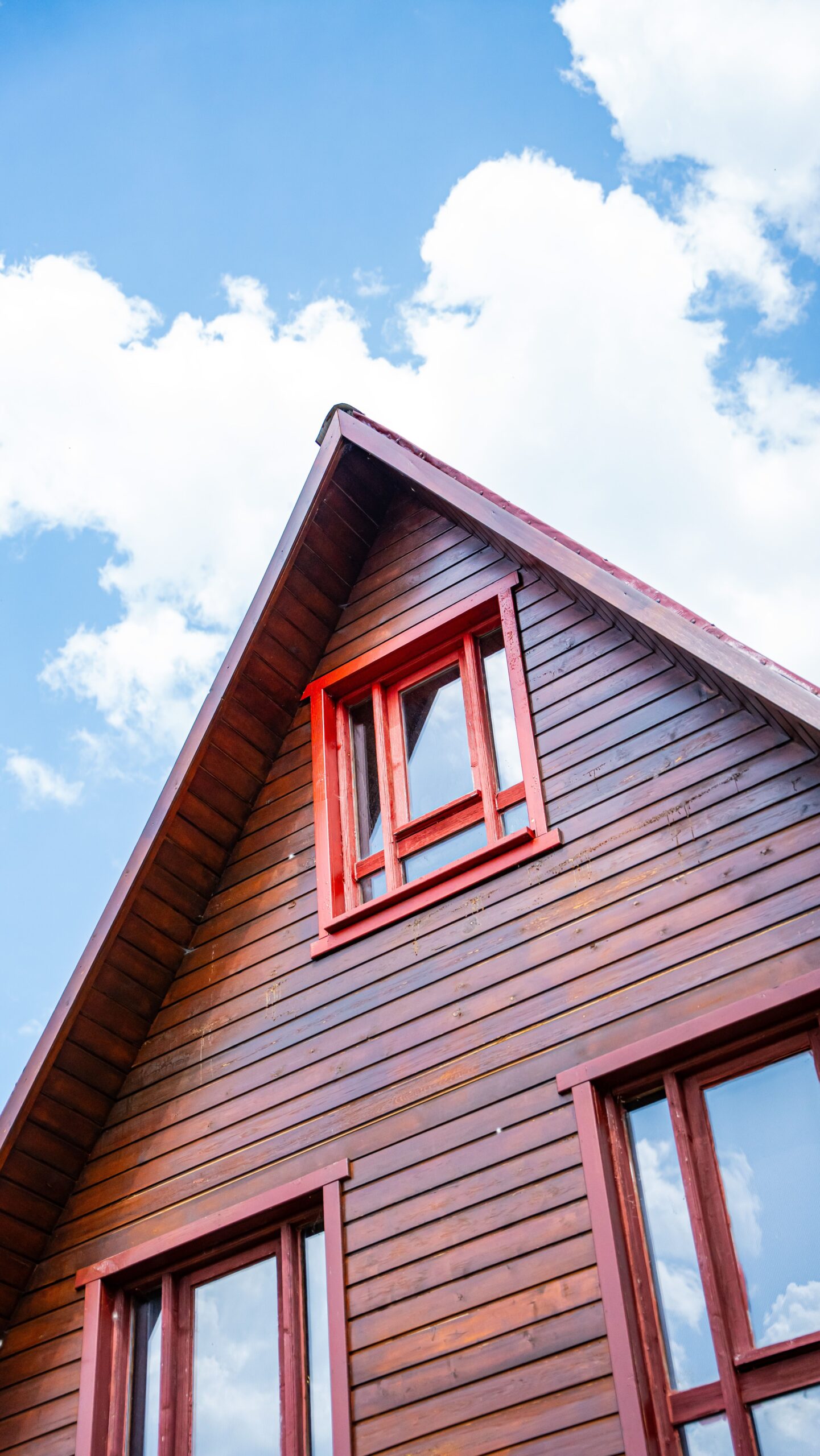
- Visible Warping or Buckling: Step back from your house and look down the length of the exterior walls. The panels should lay perfectly flat. Wavy, warped, or buckling panels indicate severe moisture damage or improper installation that failed to account for thermal expansion.
- Soft Spots and Dry Rot: Take a screwdriver and gently tap the bottom edges of the panels, especially near gutters and foundations. If the material feels soft, spongy, or crumbles away, rot has already set in.
- Skyrocketing Energy Bills: If your heating and cooling costs are climbing but your HVAC system is functioning properly, your home’s exterior envelope may be severely compromised, allowing drafts and extreme temperatures to penetrate the walls.
- Interior Moisture Damage: Surprisingly, peeling wallpaper or mold growth on interior walls is often a direct result of exterior cladding failure.
The Value of Professional Craftsmanship
In the age of online tutorials, many ambitious homeowners attempt to tackle exterior renovations as DIY projects, or they hire the cheapest unvetted contractor they can find. This approach almost always costs more in the long run. Siding installation is an exacting science. If the starter strip is not perfectly level, the entire wall will be crooked. If the flashing around windows and doors is not meticulously integrated with the moisture barrier, water will inevitably find its way inside.
Professional installers bring years of hands-on experience and a deep understanding of local building codes. Furthermore, top-tier material manufacturers (like James Hardie) will often void their extensive warranties if the product is not installed strictly according to their precise specifications.
A reputable contractor will utilize a structured workflow that eliminates surprises. This process begins with a comprehensive, on-site consultation to assess the home’s size, the condition of the underlying walls, and any necessary dry rot repairs. This should be followed by a transparent, upfront pricing estimate. A true professional will also assist with the design phase, utilizing 3D modeling or robust portfolios to help you visualize different textures, profiles, and color palettes before the first nail is driven.
How to Choose the Right Local Contractor
Selecting the contractor to execute your vision is the most critical decision in the remodeling process. To ensure you are partnering with a reliable team, insist on the following criteria:
- Local Licensing and Comprehensive Insurance: Never hire a contractor who cannot immediately produce a valid state license, general liability insurance, and workers’ compensation coverage. This protects you from financial liability in the event of an on-site accident.
- Clear, Upfront Quoting: Beware of contractors who offer vague estimates or pressure you into signing a contract on the spot. The best firms provide itemized quotes that detail the cost of materials, labor, permits, and debris removal.
- A Proven Portfolio: Ask to see before-and-after photos of recent projects in your specific area. A strong local presence indicates that the company understands regional weather challenges and architectural norms.
- Strong Communication: An exterior renovation can disrupt your daily life. Your contractor should provide a clear project timeline, maintain a clean job site, and communicate openly about any hidden issues – like unexpected termite damage – found during the tear-off phase.
Upgrading your home’s exterior is one of the most impactful investments you can make as a property owner. Beyond the immediate surge in curb appeal and neighborhood envy, high-quality siding provides profound peace of mind. It secures your home against unpredictable weather, drastically improves energy efficiency, and eliminates the weekend drudgery of endless maintenance. By taking the time to select the right materials and partnering with dedicated, transparent local professionals, you ensure that your home remains a beautiful, safe, and comfortable haven for decades to come.