
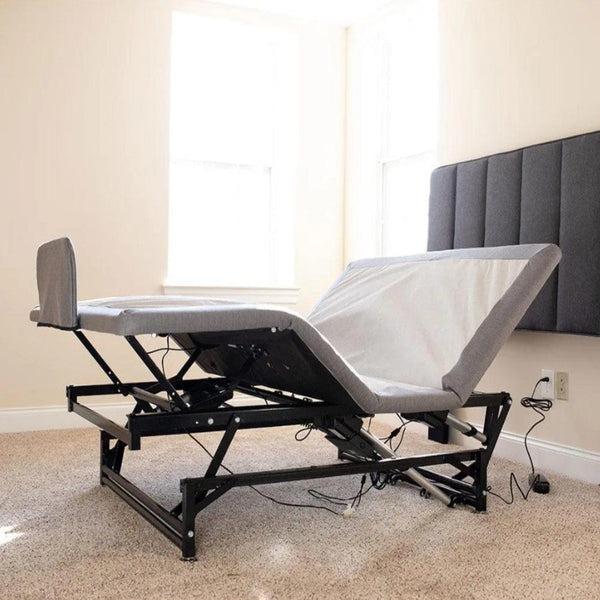
For many households, better sleep is not just about a softer mattress or new sheets. It is also about how well a bed supports real life: getting comfortable, reading, resting sore legs, sitting up more easily or making nighttime routines less stressful. That is one reason adjustable beds have moved beyond clinical settings and into everyday homes.
If you are researching options and comparing Flexabed reviews, it helps to look at adjustable beds through a practical lens. A model with head, foot and height adjustment can change how a room functions, how your loved one settles in for sleep, and how safely they move in and out of bed. Features like white-glove delivery and in-home assembly are also worth looking for, especially when you are setting up a larger piece of equipment at home.
Why Sleep Comfort Is About More Than a Mattress

Sleep setup affects more than bedtime mood. The CDC notes that adults need at least seven hours of sleep per day, and national data continues to show that a meaningful share of U.S. adults still fall short of that mark.
That does not mean an adjustable bed is a magic wand. It does mean that bed position, ease of movement and nighttime comfort can contribute to a more sleep-friendly environment. A bedroom is not just a place to sleep. It is part of how a home supports daily well-being.
A standard flatbed works well for many people. But for others, being able to slightly raise the head or legs can make it easier to wind down, watch television, read, reduce pressure from one position, or get comfortable after a long day. Adjustable beds can also make morning transitions easier, which is a very underrated quality-of-life upgrade.
Position Changes Can Support a More Personal Sleep Setup
One of the biggest advantages of an adjustable bed is flexibility. Instead of stacking pillows and hoping for the best, you can adjust the bed’s position. That can help create a setup that feels better for lounging, resting or sleeping based on personal preference.
There is also some evidence that head-of-bed elevation may help certain adults with nighttime reflux symptoms, although that is not universal and should not be treated as medical advice. A published review found improvement in some reflux-related symptoms with bed elevation.
Comfort at Home Often Depends on Easier Daily Routines
A bed that raises and lowers can also help with the everyday mechanics of home life. Getting into bed, swinging your legs out, changing sheets, or assisting your loved one can all be easier when the bed height works for you instead of against you. Hi-low adjustability can help your loved one get in and out more easily and can provide caregivers with more ergonomic access.
How Adjustable Beds Can Make a Home Feel More Livable
Aging in place is not only about grab bars and ramps. It is also about making ordinary spaces work better over time. Forbes notes that common aging-in-place upgrades include grab bars, curb-less showers and raised toilets, while broader home-design guidance continues to emphasize lighting, safer circulation space and bedroom accessibility as part of a more usable home.
An adjustable bed fits naturally into that conversation because the bedroom is a major decision point in home comfort. If your loved one struggles with bed height, positioning or transfers, the room can start to feel like hard work. The right adjustable bed can help shift that experience in a more practical direction.
Safer Transfers Matter More Than People Think
The National Institute on Aging offers room-by-room fall-prevention guidance for the home, reminding us that safety is not just a hallway or bathroom issue. Bedroom setup matters too. Anything that helps your loved one move more steadily and predictably is worth considering as part of a broader comfort and safety plan.
That does not mean every adjustable bed is automatically a safety solution. It means adjustability can be a useful feature when paired with the right room layout, lighting, flooring and support plan.
Caregiver Convenience Is Household Convenience Too
This is the part many articles skip. Home comfort is not only about your loved one sleeping in the bed. It is also about you, the spouse, family member or caregiver helping with daily routines. A bed that adjusts in height may reduce awkward bending during assistance, linen changes or nighttime support. That is not a small thing.
Who May Appreciate an Adjustable Bed Most at Home
An adjustable bed may be worth a closer look if your loved one or your household:
- spend extra time in bed reading, resting or recovering from busy days
- wants easier entry and exit from bed
- prefers a raised head or leg position for comfort
- is planning a more age-friendly home
- assists a partner or family member with daily routines
- is comparing a rotating bed for sale or other specialty sleep systems and want to understand the broader adjustable-bed category first
That last point matters. If you’re looking at options like rotating or hi-low models, you’re usually not browsing casually. You’re trying to solve a real home-use question. In those cases, the best buying decision is rarely about bells and whistles. It is about fit: the right movement, the right height range, the right bedroom setup and the right support for daily life.
What To Look for When Comparing Adjustable Beds
Before buying, it helps to focus on the features that affect actual home use.
Height Adjustment
Not every adjustable bed includes hi-low functionality. If easier transfers or caregiver access matter to you, this is one of the most useful specs to verify.
Head and Foot Positioning
This is the core comfort feature. Look at how easily the bed changes position and whether the controls feel simple enough for everyday use.
Delivery and Setup
White-glove delivery and in-home assembly can make a major difference, especially for households that do not want the burden of complicated setup. Skyward lists white-glove delivery with in-home assembly for the Flexabed Hi-Low Adjustable Bed.
Bedroom Fit and Home Layout
The NAHB aging-in-place checklist highlights the importance of clear passage space, lighting and maneuvering room. In other words, the bed is only part of the equation. The room around it matters too.
Conclusion
An adjustable bed can improve sleep and comfort at home, not because it promises miracles, but because it gives you and your loved one more control over how they rest, settle and move through their day. For some households, that means better lounging and a more comfortable bedtime routine. For others, it means easier transfers, better access to caregivers, and a bedroom that feels more supportive over time.
That is the real value: practical comfort that fits everyday life. And when you are weighing options, that kind of comfort is often a smarter buying signal than flashy marketing or overblown health claims.
This article is for general information only and is not medical advice. For personalized guidance, consult a qualified clinician or occupational therapist.