

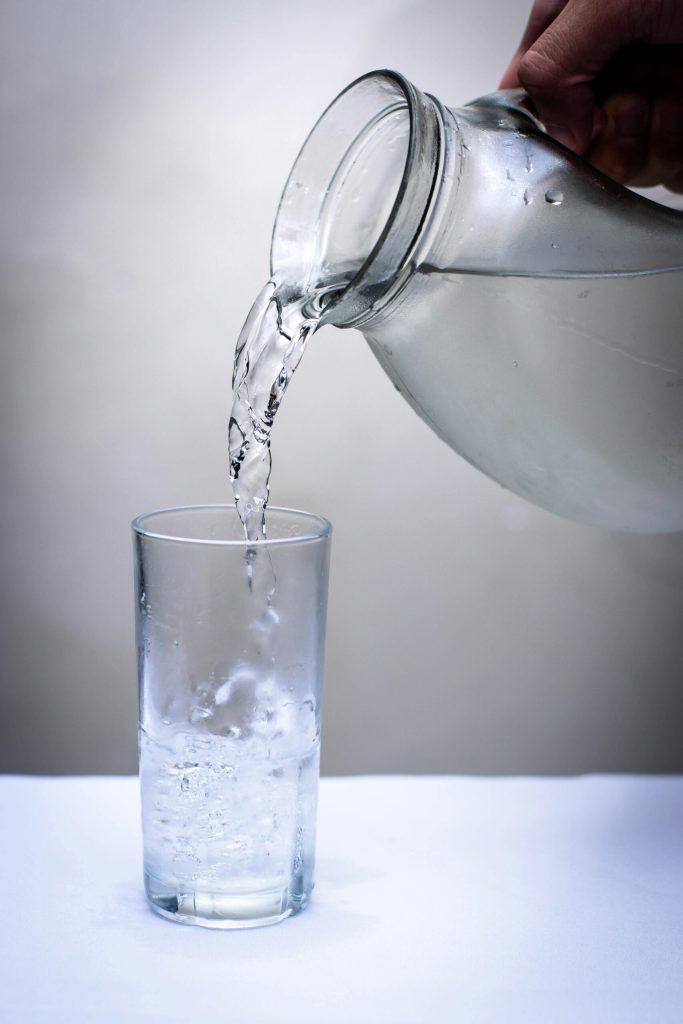
Staying hydrated during pregnancy can feel harder than expected. Nausea, food aversions, fatigue, warm weather, travel, and changing fluid needs can all make it difficult to drink enough throughout the day.
Electrolytes can help support hydration. These minerals, including sodium, potassium, magnesium, and calcium, help the body maintain fluid balance. They are not a replacement for water, meals, prenatal care, or medical treatment, but they may be useful when plain water feels difficult to drink or when hydration needs extra support.
This guide compares some of the best electrolytes for pregnancy, including low-sugar, unflavored powder, tablet, and rehydration-style options. Because every pregnancy is different, readers should check with their healthcare provider before adding new supplements, especially during pregnancy.
Why Electrolytes Matter During Pregnancy
Pregnancy can make hydration more important and sometimes more challenging. Electrolytes help the body use fluids properly and support normal fluid balance. Sodium, potassium, magnesium, and calcium all play different roles in hydration, muscle function, and overall wellness.
Nausea, vomiting, sweating, and difficulty drinking plain water can make hydration harder. This is why some pregnant women look for electrolyte drinks for pregnancy, especially during morning sickness, hot weather, travel, or active days.
Electrolytes can be helpful, but they are not a cure for nausea, leg cramps, fatigue, dizziness, or dehydration. They should be used as one part of a healthy hydration routine, not as a replacement for medical care.
What to Look for in Electrolytes During Pregnancy
Electrolyte options for pregnancy are usually best when they are simple, gentle, and easy to tolerate. Before choosing a product, check the label carefully.
Look for:
- Low or no added sugar
- No caffeine or energy blends
- No unnecessary artificial dyes
- Gentle flavor or unflavored options
- Balanced minerals
- Easy formats like drops, powders, tablets, or ready-to-drink bottles
- Clear ingredient labels
Pregnancy can also change taste preferences. A flavor that was fine before pregnancy may suddenly feel too sweet, salty, sour, or strong. That is why some moms-to-be prefer unflavored electrolyte drops, mild powders, or tablets that can be diluted.
Electrolyte powders, drops, and tablets may be sold as dietary supplements or drink mixes, and formulas can vary widely. Dietary supplements are not approved by the FDA for safety or effectiveness before they are sold, so pregnant readers should be especially careful about labels, serving sizes, and overlapping ingredients.
Best Electrolytes for Pregnancy: 6 Options to Compare

Buoy — Best Unflavored Electrolyte Drops for Everyday Pregnancy Hydration
Buoy is a practical option for pregnant women who want electrolytes without a strong flavor, powder packet, or sugary sports drink. Because it can be added to drinks they already tolerate, it may be easier to fit into a daily hydration routine on days when plain water feels difficult to drink.
For readers comparing the best electrolytes with no sweeteners, Buoy may be appealing because its unflavored drop format can support hydration without turning every drink into a sweet-flavored beverage. It can be added to water, tea, smoothies, or other pregnancy-friendly drinks without changing the routine too much.
This can be especially helpful for readers with flavor sensitivity or nausea. Strong flavors can make some pregnant women feel worse, while an unflavored option may be easier to sip slowly. Buoy may also fit well into a low-sugar hydration routine because it keeps drinks simple and easy to tolerate.
The biggest benefit is flexibility. If cold water sounds good one day and a smoothie sounds better the next, drops can adapt to that routine. As with any supplement during pregnancy, readers should review the label and ask their healthcare provider if they are unsure.
Liquid I.V. — Best Widely Known Electrolyte Drink Mix
Liquid I.V. is one of the most recognizable electrolyte drink mix brands. It comes in single-serve packets, which makes it easy to keep in a purse, desk drawer, travel bag, or hospital bag.
This type of powder may be useful for errands, travel, warm weather, or busy days when a pregnant reader wants a quick hydration drink. It may also be easier than plain water for someone who needs flavor to keep sipping.
The main things to check are sugar, sodium, caffeine, and ingredients. Some Liquid I.V. products contain added sugar, and some flavors may be sweeter than others. Pregnancy nausea can also make strong flavors harder to tolerate. Readers should choose caffeine-free options and compare labels before buying.
LMNT — Best Higher-Sodium Electrolyte Option
LMNT is known for a stronger electrolyte profile, especially its higher sodium content. This may appeal to readers who sweat heavily or spend time in heat, but it is not the best default choice for everyone during pregnancy.
However, higher sodium is not right for everyone during pregnancy. Pregnant readers with blood pressure concerns, swelling concerns, kidney issues, or sodium restrictions should ask their healthcare provider before using a higher-sodium electrolyte regularly.
For some people, LMNT may be useful in specific situations like heat, exercise, or heavy sweating. For everyday pregnancy hydration, many readers may prefer a gentler or lower-sodium option unless their healthcare provider recommends otherwise.
Nuun — Best Tablet-Style Electrolyte Option
Nuun is a good choice for readers who prefer tablet-style electrolytes instead of powders or drops. The tablets are portable, easy to store, and convenient to keep in a purse, car, work bag, or nightstand.
This format can work well for light hydration support. Drop a tablet into water, let it dissolve, and sip slowly. Tablets may also be easier for readers who dislike measuring powders or carrying liquid drops.
Pregnant readers should check the exact Nuun product line before buying because ingredients vary by formula. Look for caffeine-free options and avoid products positioned as energy blends unless a healthcare provider says they are appropriate.
DripDrop — Best Oral Rehydration-Style Option
DripDrop is a rehydration-style electrolyte option that may be useful on days when hydration feels harder, such as after vomiting, illness, heat exposure, or long travel.
This type of electrolyte drink is more purposeful than a casual flavored water. That can be helpful when a pregnant reader wants something designed around rehydration rather than just taste.
Still, it should be used sensibly. If vomiting is frequent, fluids will not stay down, dizziness appears, urination becomes very limited, urine is very dark, or dehydration symptoms feel serious, an electrolyte drink is not enough on its own. Medical guidance matters, especially during pregnancy.
Ultima Replenisher — Best Zero-Sugar Electrolyte Powder
Ultima Replenisher is a zero-sugar electrolyte powder option, which makes it appealing for readers comparing low-sugar electrolytes for pregnancy.
A zero-sugar powder may be a better fit for moms-to-be who want flavor without added sugar or those watching sugar intake. It can also be useful for readers who do not enjoy traditional sports drinks.
The main things to consider are flavor tolerance and sweeteners. Pregnancy nausea can make sweet, sour, or strongly flavored drinks harder to manage. Some readers may enjoy flavored zero-sugar powders, while others may prefer unflavored drops or very diluted drinks.
Best Electrolytes for Morning Sickness and Nausea Days
Morning sickness can make hydration feel difficult. Even when someone knows they should drink more, a full glass of water may feel overwhelming.
Small sips are often easier than drinking a large amount at once. For nausea days, the best hydration drinks for pregnancy are usually the ones a person can actually tolerate. That might mean cold water with electrolyte drops, a lightly flavored tablet drink, a mild powder, or a smoothie with added electrolytes.
Unflavored or gentle options may be easier than strongly flavored drinks. Some pregnant readers find sour flavors helpful, while others cannot tolerate them at all.
Vomiting can make hydration more important, but severe symptoms need medical attention. Frequent vomiting, dizziness, inability to keep fluids down, dark urine, or signs of dehydration should be discussed with a healthcare provider.
Ingredients Pregnant Women May Want to Avoid

Not every electrolyte product is a good fit for pregnancy. Some are closer to sports drinks, while others resemble energy products or supplement blends.
Pregnant readers may want to avoid:
- Caffeine
- Energy blends
- High added sugar
- Artificial dyes
- Excessive sodium unless advised
- Herbal blends not approved by a healthcare provider
- Too many overlapping supplements
Herbal blends deserve special caution during pregnancy. “Natural” does not automatically mean appropriate for pregnancy. If an electrolyte powder includes herbs, adaptogens, detox ingredients, energy-support blends, or high levels of caffeine, it is best to avoid it unless a healthcare provider says it is appropriate.
How Often Should You Drink Electrolytes During Pregnancy?
Not every drink needs electrolytes. For most pregnant readers, water should still be the foundation of hydration. ACOG says pregnant women should drink about 8 to 12 cups, or 64 to 96 ounces, of water each day.
Electrolytes may be useful during hot weather, travel, sweating, nausea days, after vomiting, or when plain water is difficult to drink. They may also be helpful for some people comparing electrolytes for leg cramps during pregnancy, although leg cramps can have several causes and should not be treated with electrolytes alone.
A simple approach is to use electrolytes when they serve a clear purpose. For example, a pregnant reader might add electrolyte drops to one drink during a warm day, pack tablets for errands, or use a rehydration-style option after a nausea episode.
Daily use may be fine for some people, but it is not automatically necessary for everyone. Pregnant readers with high blood pressure, kidney concerns, gestational diabetes, swelling concerns, or a high-risk pregnancy should ask their doctor before regular electrolyte use.
Quick Tips for Staying Hydrated During Pregnancy
Keeping hydration simple often works better than trying to force a perfect routine.
- Keep a water bottle nearby.
- Sip slowly throughout the day.
- Try drinks cold, room temperature, or warm.
- Add electrolytes to drinks that are already tolerated.
- Eat water-rich foods like fruit, soups, smoothies, and yogurt.
- Choose low-sugar options when possible.
- Pack hydration options for errands, appointments, or travel.
- Try smaller servings more often during nausea days.
Next Steps
The best electrolytes for pregnancy depend on the person. Some moms-to-be want unflavored drops. Others prefer a powder, tablet, or rehydration-style drink. The right choice usually comes down to sugar, sodium, flavor, format, ingredient quality, and what the body can tolerate that day.
Buoy may be a strong fit for readers who want unflavored electrolyte drops that can be added to drinks they already enjoy. Liquid I.V. may work for those who prefer recognizable packets. LMNT may suit readers who specifically need a higher-sodium option, with medical guidance. Nuun is convenient for tablet fans. DripDrop offers a rehydration-style format. Ultima Replenisher is worth comparing for zero-sugar hydration.
Pregnancy hydration is personal, especially when nausea, food aversions, fatigue, and changing routines are involved. Start with a gentle option that fits the day, read labels carefully, and check with a healthcare provider before adding any new supplement during pregnancy.
The best electrolyte option during pregnancy is one that supports hydration, fits your taste and tolerance, and avoids ingredients your body does not need. Always review the label and ask your healthcare provider before using electrolyte supplements regularly while pregnant.