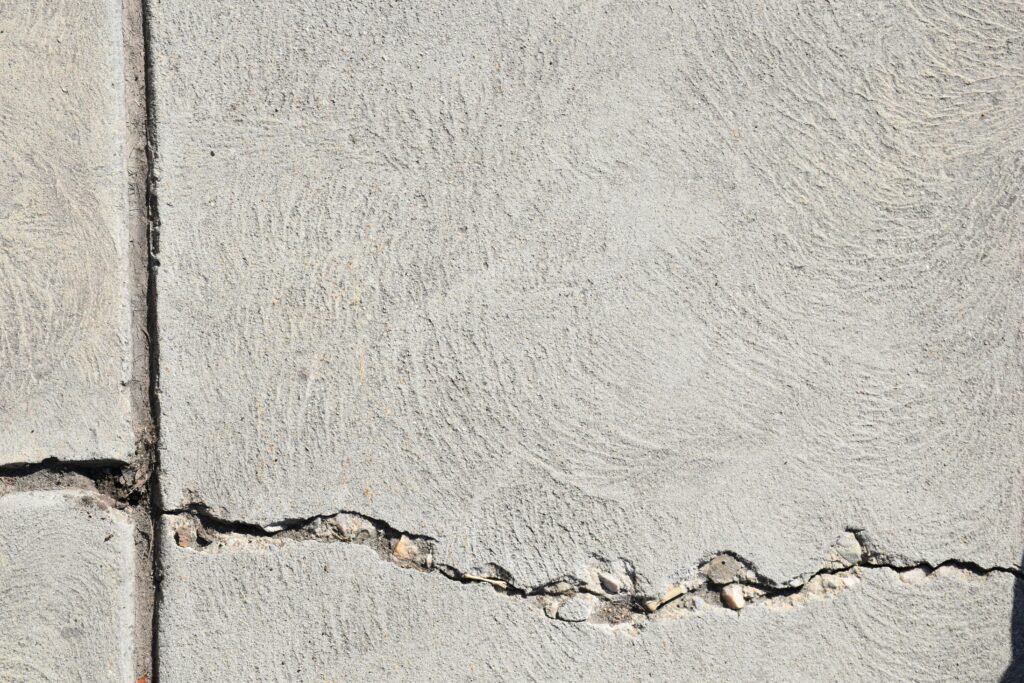
Most people don’t think about their home’s foundation until something feels off. The first signs are easy to overlook; they don’t disrupt your day during initial damage, so they tend to get ignored longer than they should. A small crack, a slight shift or a damp smell can seem minor at first, but they’re signs of deeper structural or moisture-related issues. This is why foundation repair is so important; it protects the structure before the damage can spread any further.
Common Types of Foundation Damage
Foundation damage doesn’t always look serious in the beginning. In most cases, it builds slowly and shows up in different parts of the home.
Cracks in Walls and Floors
Cracks are usually the first thing people notice. Some stay the same and remain unchanged, but if it begins to widen or spread across a nearby surface, that’s a problem. Hairline cracks can come from normal settling, while wider, angled cracks point to movement below the structure. If you notice cracks on the floor or any uneven areas, that means your home doesn’t have the support it needs.
Uneven or Sinking Foundation
A sinking foundation is not always obvious right away. You may notice windows or doors not closing normally or small gaps forming where they did not exist before, and the floors may even feel slightly off when you walk across them. This usually happens when the soil beneath the home shifts or loses its ability to support weight evenly. The structure adjusts to that change, which is why the signs appear in different areas at once.
Bowing or Leaning Walls
When walls begin to curve inward or lean, it’s often due to exterior pressure. Soil expansion or water buildup can push against the walls over time, and it often gradually increases. By the time the change becomes visible, the wall has usually been under stress for a while. Once the movement starts, it tends to continue unless it is stabilized.
Water Intrusion Issues
Water doesn’t always enter in the most obvious ways; sometimes, it’s as small as a damp smell or a slightly patchy area along the wall. Most of the time, it becomes visible only as an aftermath of heavy rain. Water intrusion is usually caused by small openings, poor drainage, or possible pressure around the foundation, and once it has a clear path inside, it continues intruding. That’s where basement waterproofing becomes critical; it’s key to restricting and blocking those pathways.
The Most Common Types of Foundation Repairs
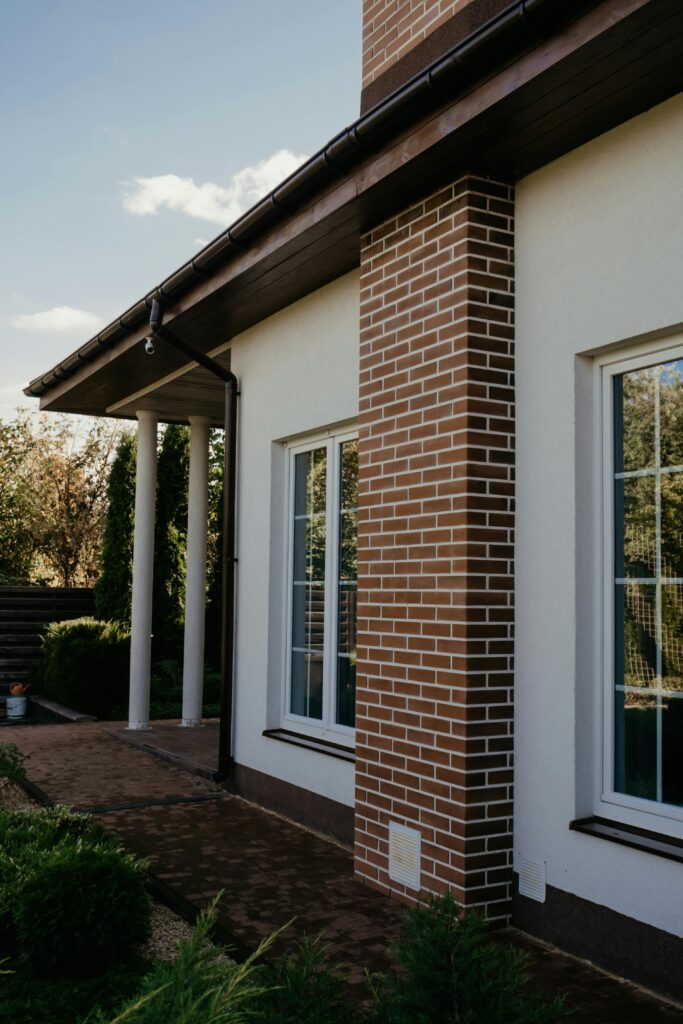
Different problems need varying solutions. The foundation repair method depends on what caused the issue and how far it has progressed.
Crack Injection
Crack injection is used when the structure is still stable, but the opening needs to be sealed properly. The material is pushed into the crack, filling the entire gap, not just the surface. Once it sets, it blocks moisture from entering through that point. This works well for isolated cracks, but it does not address movement problems. If the foundation continues to shift, the crack may reopen or appear in a different section of the foundation.
Piercing and Underpinning
Piercing and underpinning deals with what is happening below the foundation. Piers are installed deep into stable soil layers where the movement is less likely. The structure is then supported from those points in the foundation. In some cases, sections of the home can be lifted slightly to correct uneven settling. This method is used when the foundation has lost support due to soil movement. It focuses on stabilizing the structure rather than adjusting surface-level issues.
Slab Jacking
Slab jacking is used when sections of the concrete have sunk. This process helps to raise the sunken level or uneven concrete surfaces. A material is injected beneath the slab to raise it back into position. This helps to level the surface without removing or replacing the slab. It is often used for floors and driveways where the structure is still intact but no longer level.
Wall Anchors and Bracing
When walls begin to move, they need stabilization with wall anchors. Once installed, these pull the wall back towards its original position, with bracing systems helping hold it in place over time. These methods focus on stopping further movement rather than covering up the issue.
What Is Waterproofing and Why Does It Matter?
Waterproofing is often misunderstood. It’s not about stopping water completely. Instead, the focus is on controlling how moisture interacts with the structure. For instance, in basements with tight spaces, crawl space waterproofing focuses on sealing the underlying structure to prevent water and mold spores.
Without preventive measures like this, water intrusion affects materials, air quality, and the structural integrity of your home itself. That’s why waterproofing is usually done alongside foundation repair; one deals with stability, the other deals with moisture. Together, they protect your home against significant damage and keep it safe for your family.
Basement Waterproofing Methods
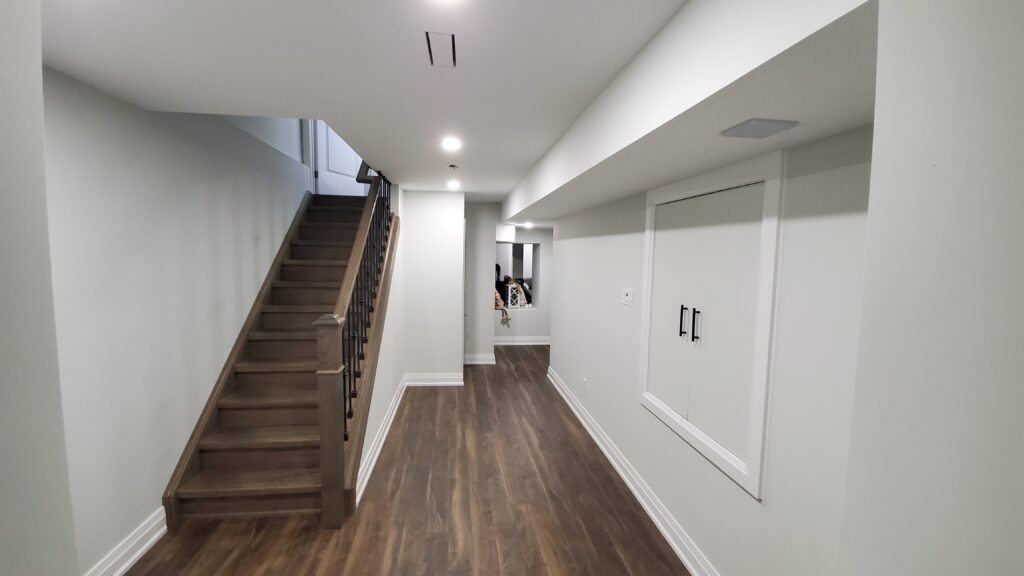
Basements sit below ground level, so they’re naturally more exposed to more moisture. This can be problematic, as water does not need a large opening to enter. Small gaps, soil pressure, or improper drainage can create tiny gaps and cracks where water then gathers, inside, eventually posing a threat to the home.
Vapor Barriers
Vapor barriers are used to limit the amount of moisture passing through surfaces. They’re placed along walls or floors to reduce moisture from entering the space. They do not remove water. But, they reduce how much gets through. This helps control the environment inside the basement.
Encapsulation
Encapsulation seals the entire space with moisture-resistant materials. It’s commonly used in tighter areas like crawl spaces because it makes managing humidity much easier. For any home experiencing consistent moisture exposure, encapsulation can be an excellent solution that protects walls, floors, ceilings, and more.
Drainage and Ventilation Improvement
If your property doesn’t naturally direct water away, moisture gathers around the foundation. That increases pressure and the chance of intrusion. Drainage systems help guide water away from the structure, especially when paired with ventilation methods that control any moisture present in the home.
Choosing the Right Methods for Your Home
There is no single method that works for every home. The right approach depends on the cause of the problem and how far it has progressed. Some issues are isolated, while others are connected. A crack might seem small, but if it is caused by shifting soil, your home needs deeper repairs.
The same also applies to waterproofing. Surface fixes may reduce symptoms for a while, but if water continues to collect around the foundation, the issue usually comes back. When choosing the right repair method for your home, it helps to work with a professional; they know how to assess both visible damage and the underlying cause to determine what needs to be done.
Final Thoughts
Foundation issues and moisture problems tend to build quietly. However, what seems minor in the beginning often connects to something deeper going on beneath the surface. That’s why paying attention to early signs matters. Fixing what you see is one part of the process, but understanding why it’s happening is what keeps it from repeating again.
Discover more from momhomeguide.com
Subscribe to get the latest posts sent to your email.
Leave a Reply