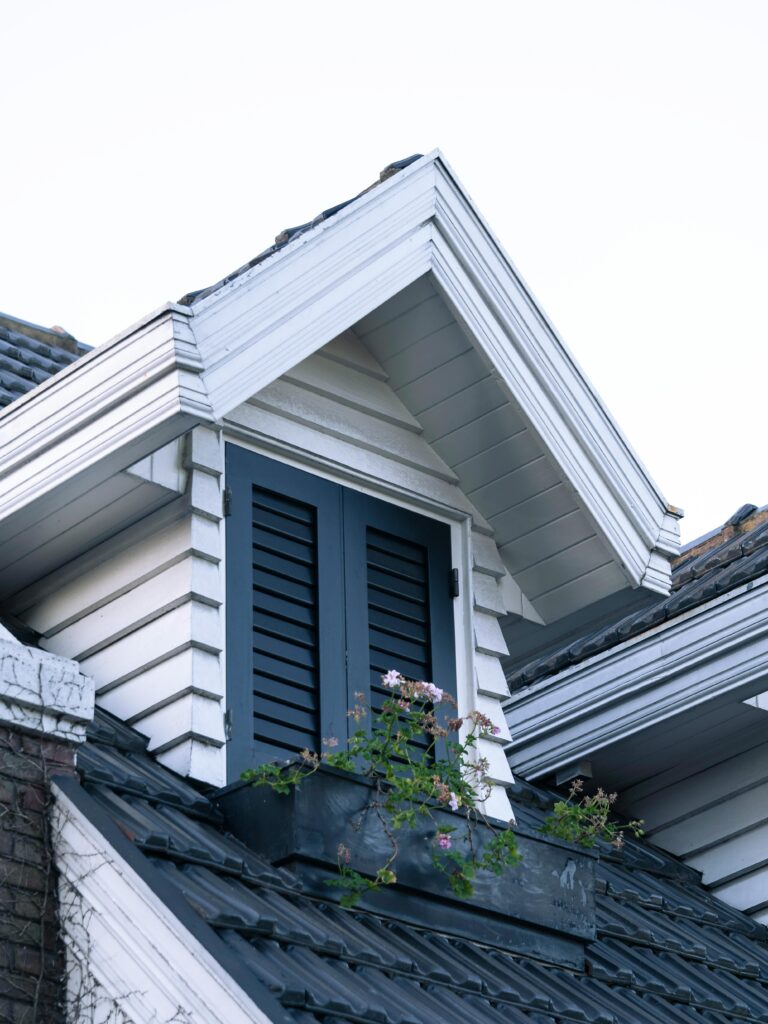
At first glance, a roof appears like just another part of a structure, but that’s not quite the case. It protects your home—and everybody inside—from water, wind, heat and more. When a problem starts developing, it’s not always clear whether you need repairs, re-roofing or an entire replacement.
That’s why most people speak with a roofing company when they start noticing signs of damage. Restoration solutions aren’t universal, and every situation calls for a different approach. With the right team at your side, you can determine what solution works for you and what you can expect throughout the process.
Signs Your Roof Needs Attention
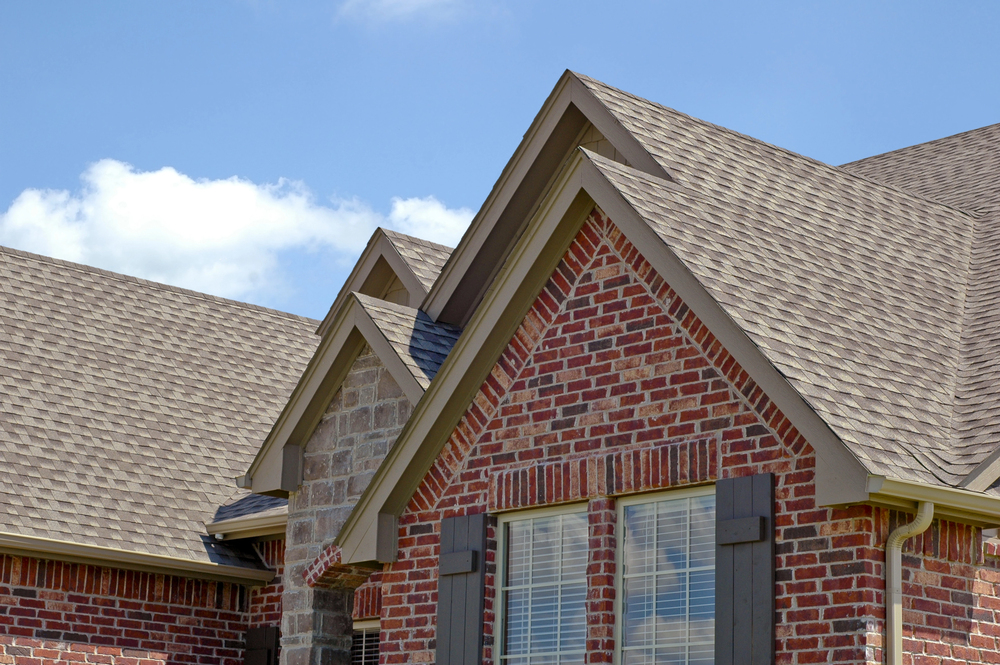
Over the years, your roof is exposed to all kinds of damage from the elements. Rain, water, excessive heat, and even UV exposure can shorten its lifespan, no matter how well it’s constructed. Fortunately, many signs indicate the need for roof repair or more advanced solutions, and learning to recognize them is key to keeping your home and your family safe.
Leaks and Water Stains
Leaks and water stains are often the first signs that the roof is no longer functioning as it should. In some homes, you may notice a brown-yellow spot slowly spreading across the ceiling; in others, you could hear a persistent dripping or discover peeling paint. Never ignore these signs, even if they seem minor; moisture spreads subtly throughout the home, and it leads to mold, ruined drywall and serious structural damage.
Missing or Damaged Shingles
Shingles aren’t invincible. Due to their exposure, they often peel, crack, curl, blister or disappear altogether over time. Whether it’s due to age or harsh weather, damaged shingles leave your roof vulnerable, and that creates worse problems further down the line. While a single shingle missing here or there can be replaced, significant granule damage or giant gaps in coverage mean you need more advanced repairs.
Sagging Areas
Sagging areas in the roof aren’t cosmetic; they’re a major sign of serious structural damage, and that means you need to intervene immediately. Sagging indicates damage far beyond the exterior, but this puts the entire structure at risk of collapse. This is a sign of water damage, rotting decking, long-term leaks or excessive weight on the roof, and without professional repairs or replacement, these all put your family at serious risk.
Mold or Moss Growth
Mold or moss on a roof is an obvious sign that water gathers in a specific place. Shaded areas, poor drainage, and even the local humidity all play a role in this. They contribute to a serious buildup while stopping the water from evaporating, and eventually, the water spreads into the roof materials to cause long-term deterioration. Fortunately, you can clean these away as soon as you notice them, but you’ll want to schedule a professional assessment to discuss preventive solutions going forward.
Roof Repair vs. Re-Roofing vs. Replacement
Roof repair, re-roofing and total replacement are all viable options. However, one is sometimes more ideal than the other. For example, roof repair is the best choice when damage is limited to a small area of the roof; an experienced repair team can replace a shingle, restore flashing around vents, or seal minor leaks before they worsen.
On the other hand, re-roofing works best when there’s widespread surface wear but no structural damage. Roofers can add a new layer of shingles over the existing roof and refresh its appearance and protection without ripping the entire roof off. However, if there are layers upon layers of damage, or serious leaks that have caused structural problems, it’s likely time for a complete roof replacement.
Types of Roofing Materials to Consider
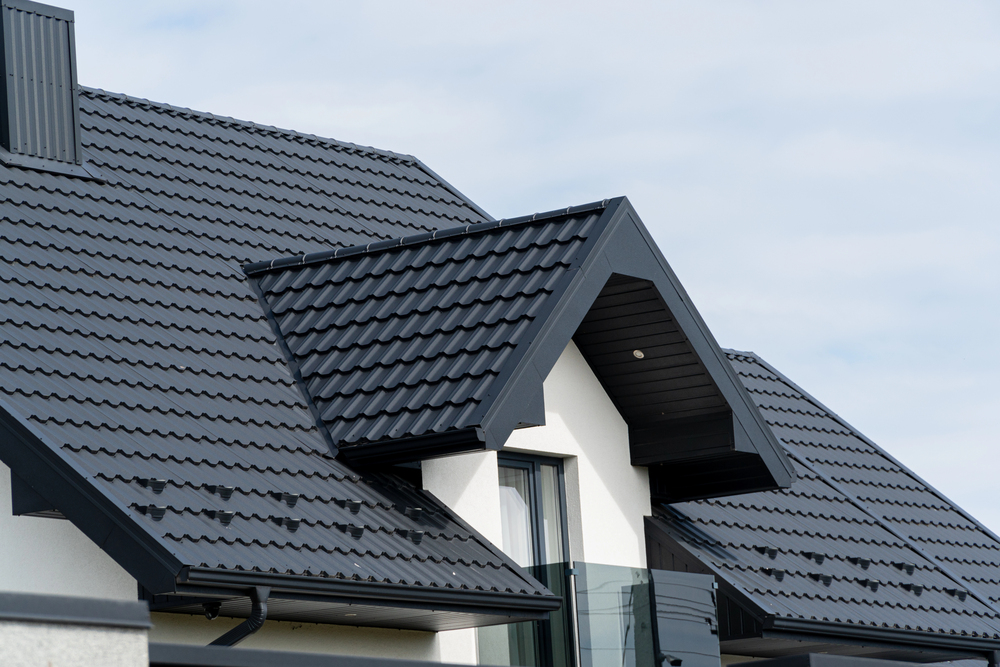
Roofing materials have very little to do with appearance. Instead, they directly influence durability, maintenance needs, weather resistance, and the lifespan of the roof itself. That’s why you need to make sure you’re choosing the right materials, and that depends heavily on your budget, your home’s style, the local climate, and how long you want the roof to last.
Asphalt Shingles
Asphalt shingles are the most common roofing material. They’re widely available, cost less than the alternatives, stay quieter than other materials, and come in a massive variety of colors and designs. That makes them a flexible but reliable option for homeowners looking for a customized protective solution for their roof. However, due to their material nature, they do have a shorter lifespan than premium roofing materials. They’re vulnerable to strong winds and harsh weather, especially as the roof ages, and they sometimes require replacement more often than their more durable counterparts.
Metal Roofing
Metal roofing is well-known for its durability. It’s extremely long-lasting and holds up to extreme weather, especially in climates known for heavy wind and rain. It requires less maintenance, and metal roofs also reflect heat more effectively, which keeps your home far more comfortable. There is a downside, though; metal roof supplies are more expensive, and they take significant skill to install. But if you’re looking for a long-lasting option with reliable performance, this is an option worth considering.
Tile Roofing
For homes looking for a more elegant and timeless appearance, tile roofing stands out as an excellent option. It’s often chosen for its distinctive style and long life, and the tiles are highly resistant to fire and severe weather exposure. But the tiles can be extremely heavy, and that means that your home’s structure must be capable of supporting them; otherwise, you may deal with broken tiles or shifting walls. For the right homes, tile roofing can be a durable and aesthetically pleasing option, though costs can vary depending on your area.
What Affects Your Decision
The right decision for your home depends on many different factors, and these go far beyond what’s visible. You need to consider:
- The age of the roof: Older roofs often require replacement, even if the damage seems minor.
- The extent of damage: Small, isolated issues can be repaired, while widespread wear may call for re-roofing or replacement.
- Budget: If you want a quick fix, repair, or re-roofing might be a better choice instead of re-roofing
- Climate: If you live in an area with heavy rainfall, wind, or extreme heat, durable materials should be used at the start because they might need a full replacement later.
- Long-term plans: If you plan to stay for many years, a full replacement may make more sense than temporary fixes.
Taking these into consideration helps you avoid short-term decisions that can lead to long-term problems.
Choosing the Right Roofing Contractor
Roof repairs, re-roofing, and full roof replacement all serve different purposes. The right choice depends on the condition of your roof, the budget, and how long you plan to stay in your home. An experienced team will be able to inspect your roof properly and guide you through practical options, and they know how to use safe materials and install them properly.
Before hiring anyone, take the time to check their experience, ask questions about the process, and understand what is included in the estimate. Choosing the right solution and the right people to handle the job is what keeps your home safe, stable, and protected for years to come.
Discover more from momhomeguide.com
Subscribe to get the latest posts sent to your email.
Leave a Reply