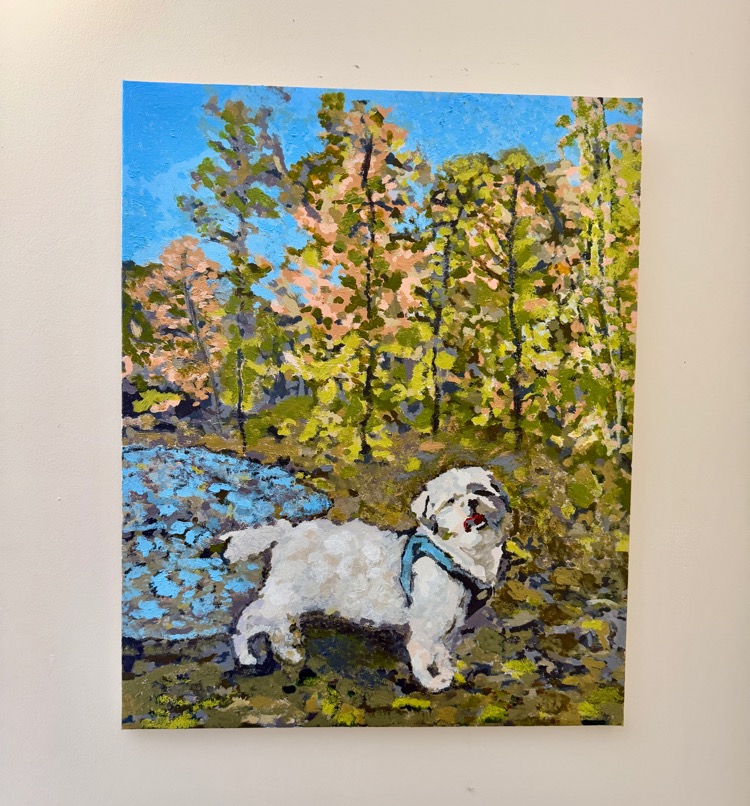
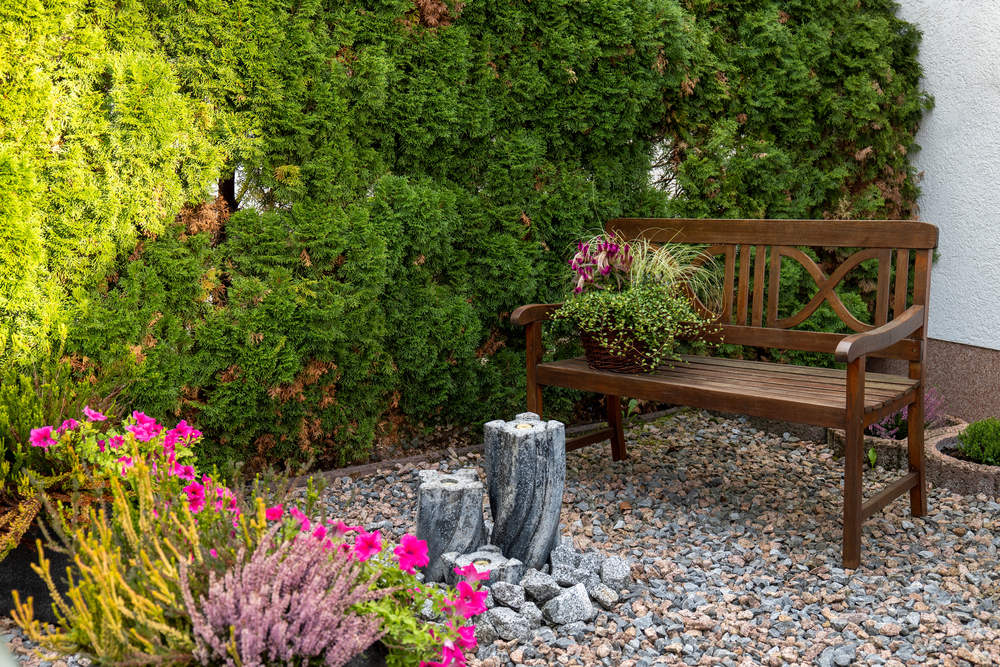
Establishing a home memorial space allows families a quiet way to honor loved ones after their loss. Even a modest tribute can offer comfort by creating a place for remembering them within your home. Planning such a space can help to adjust to their absence, allowing memories to remain part of your everyday surroundings and support reflective moments when needed.
A memorial space can fit into a discreet corner, a quiet reading nook or a garden area. When tailored to daily routines, the space will be visible but not intrusive.
Creating Personal Memorial Spaces That Support Healing
A memorial space at home can provide families with a dedicated place for remembrance. When cremation is chosen for a loved one, many families value the option of maintaining a connection at home. A memorial area at home supports this by offering a physical location for reflection that can be tailored for individual needs.
For a child, a simple space like a shelf can help them understand loss and express difficult emotions. Incorporating a small number of meaningful objects that belonged to the person to be remembered can provide needed emotional support.
Allowing everyone to participate in caring for the space can also bring comfort. Simple routines, such as arranging flowers or lighting a candle, will help anchor emotions within familiar daily patterns.
Finding the Right Location in Your Home
Choosing where to place a memorial space deserves thoughtful consideration. Some families prefer a visible area in a shared room, while others need privacy in a bedroom or reading corner. It’s placement will influence how often the space is visited, how it fits into your family’s daily life, and whether it supports quiet reflection or a home memorial gathering with close family members.
The loved one’s personality may guide this choice, especially if they valued social connection or quiet reflection. Including children’s perspectives often helps families reach a shared decision.
Thoughtful Ways to Display Cremation Remains
Urns and cremation containers come in many forms, ranging from simple vessels to decorative pieces that blend with home decor. Some resemble boxes or vases, while others integrate into furniture. Selecting a container that suits both the home and the individual helps establish a respectful tone, reflecting wider shifts in funeral and cremation choices across modern households.
Living memorials, such as containers designed to support plants or indoor gardens, are becoming more common. These displays connect remembrance with growth and ongoing care within the home.
Including Memory Items Beyond Remains
Photographs often form the center of memorial displays. Images from different life stages will provide balance and comfort. Shadow boxes allow families to combine photographs with letters, medals or personal notes.
Objects tied to personal interests also add meaning. Items such as a favorite book, kitchen tool or keepsake will help create sensory connections that keep memories present and tangible.
Design Elements That Create Peaceful Memorial Spaces
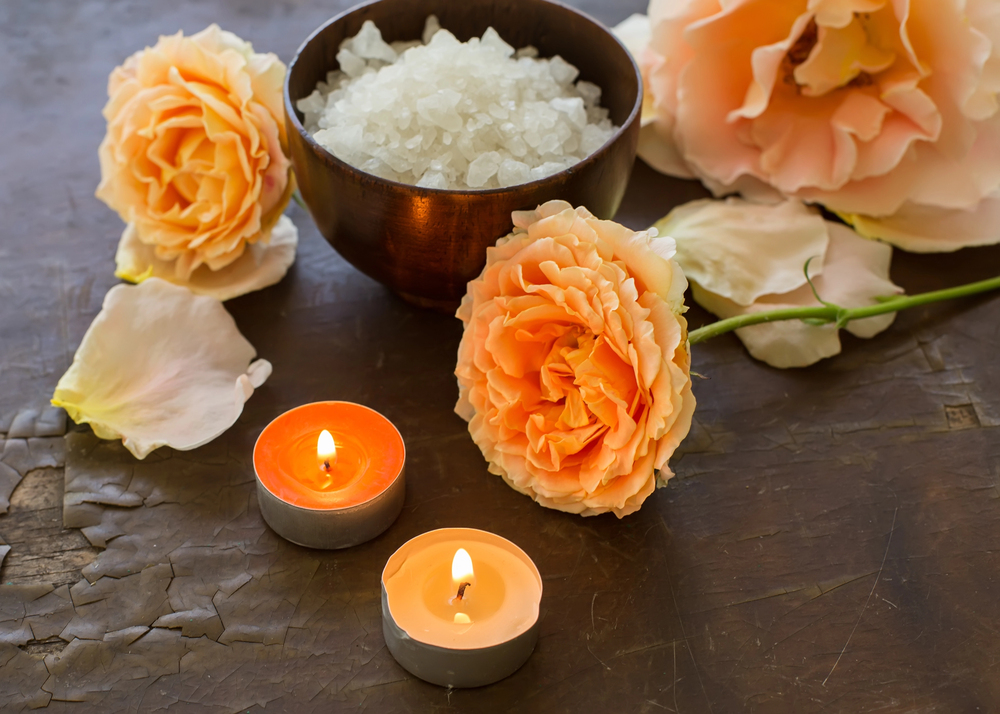
Lighting influences the atmosphere of a memorial space. Natural light often creates calm, while soft lamps or battery-operated candles support evening reflection. Balanced lighting encourages families to spend time in the space without distraction.
Color selection helps shape mood. Muted tones often feel calming, while a loved one’s favorite color can add familiarity, reflecting the effects of color on emotional response. Family discussions usually guide these choices, ensuring the space feels welcoming rather than formal.
Natural elements also support reflection. Plants, stones or small water features add texture and quiet movement, linking the memorial to everyday rhythms and care.
Adapting Memorial Spaces for Different Seasons
Seasonal updates can help keep memorial spaces meaningful. Families may add flowers, holiday items or natural objects that reflect shared traditions, drawing on seasonal symbolism in memorial spaces to maintain a sense of continuity and care throughout the year. These changes encourage ongoing attention and participation without pressure.
Refreshing the space throughout the year reassures children and adults that remembrance continues as life changes. Shared involvement helps maintain consistency and connection over time.
Involving Family Members in Creating Memorial Spaces
Participating in the creation and care of a memorial space supports healing. Each person contributes as they feel comfortable. Children may add drawings, while others tend plants or photographs. This shared process respects different expressions of remembrance, including how children’s grief across cultures shapes participation and meaning within the family.
Open discussion about the memorial’s role helps avoid misunderstanding. Some family members prefer quiet visits, while others value shared storytelling. Agreeing on expectations helps the space remain supportive for everyone.
Memorial Activities for Ongoing Connection
Simple practices maintain the meaning of a memorial space. A notebook allows family members to record memories privately. Small objects encourage interaction and mark visits naturally.
Regular rituals, such as lighting a candle or preparing a favorite meal, help families process memories together. Over time, the memorial becomes part of the household’s rhythm rather than a static display.
A home memorial space offers families a way to keep remembrance present while adapting to daily life. When designed with flexibility and shared care, it supports ongoing connection as routines and emotions change.