
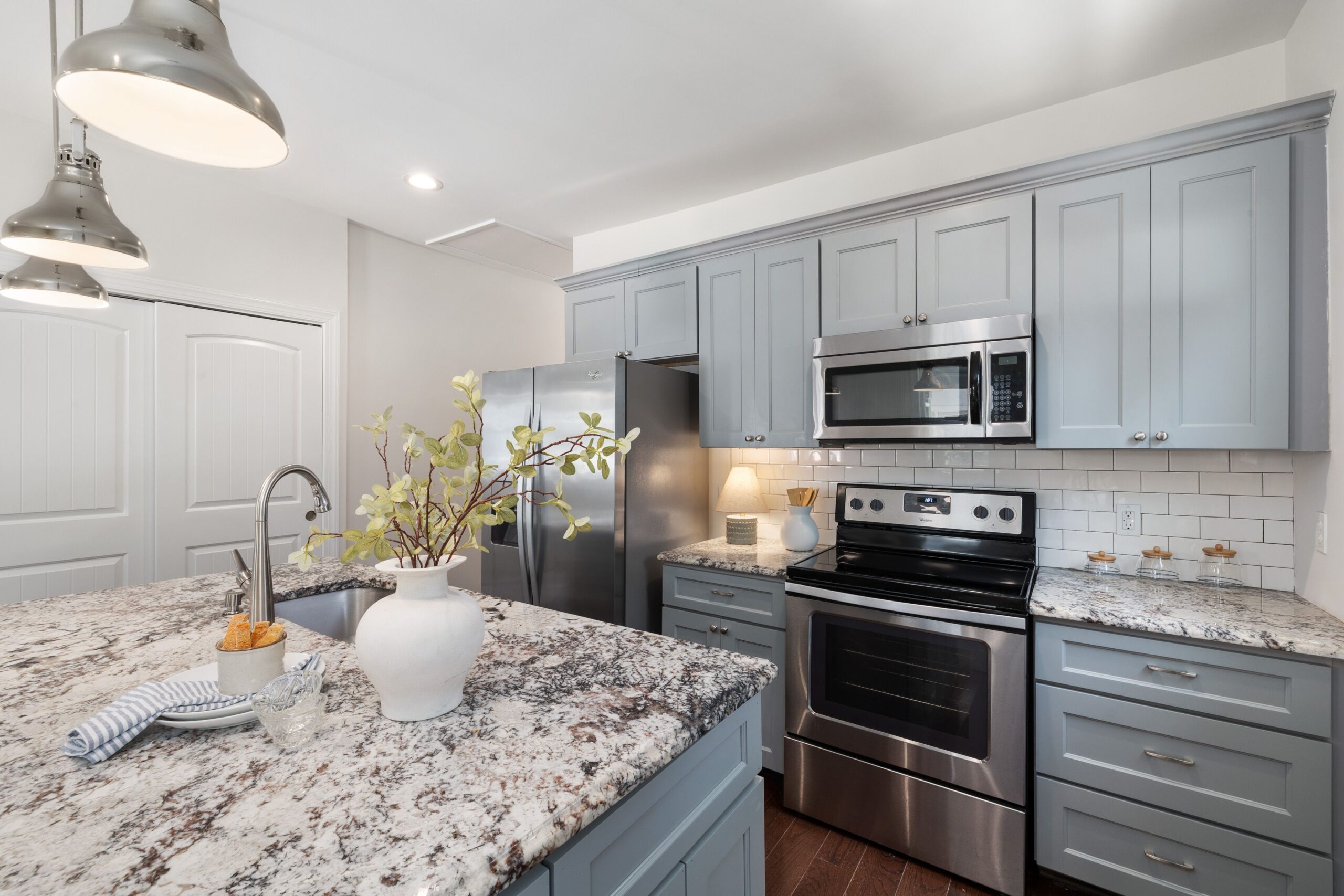
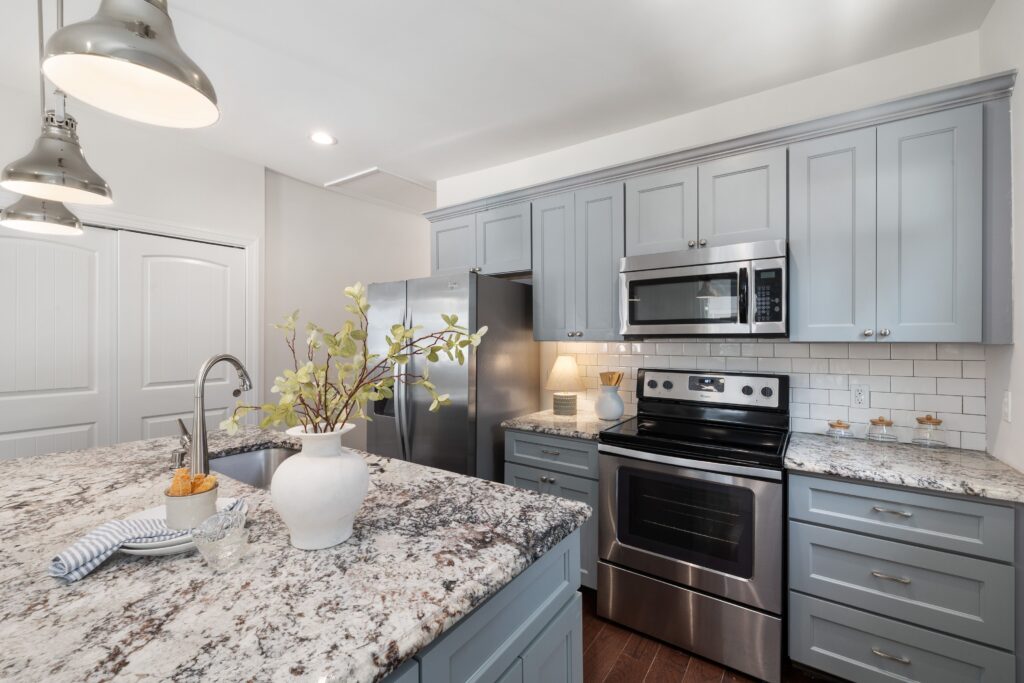
The kitchen is the hardest working room in any house. Between cooking daily meals, running cleanup cycles, and storing groceries, it draws a massive amount of electricity and water. If you want to reduce your carbon footprint and lower your monthly utility bills, updating your cooking and cleaning space is the best place to start. A greener setup does not require sacrificing style or modern convenience. By making smart appliance choices and adjusting a few layout details, you can build a more sustainable room that looks great and functions perfectly.
Many homeowners assume that building an eco-friendly space requires a massive renovation budget. In reality, small changes often yield the biggest results. From swapping out a single failing appliance to changing how you organize your cabinets, every step matters. A thoughtful approach to kitchen design helps you conserve natural resources while creating a beautiful, welcoming room for family and friends.
Evaluating Your Current Setup and Energy Usage
Before buying anything new, you should take a close look at what you already own. Older appliances are notorious energy hogs. A refrigerator built fifteen years ago uses significantly more electricity than a current model. You can often find the manufacturing date on a sticker inside the door frame or behind the unit. If your main appliances are past their prime, they are likely working harder than they need to.
Listen to your machines. A motor that runs constantly or makes loud grinding noises is struggling. A freezer that builds up thick layers of frost is losing its seal. You can test your refrigerator gasket by closing a piece of paper in the door. If it slides out easily, cold air is leaking into the room. Identifying these failing pieces helps you prioritize your upgrade list. You do not have to replace everything at once. Pick the appliance that draws the most power or wastes the most water and start your updates there.
The Importance of Water Conservation
Water usage is a major factor in kitchen sustainability. We use gallons of water daily just rinsing vegetables, filling pots, and cleaning plates. Upgrading your sink fixtures is a simple fix. Installing a low-flow faucet or adding an aerator reduces the volume of water flowing out without compromising water pressure. Fixing even minor drips quickly prevents gallons of fresh water from going down the drain each month.
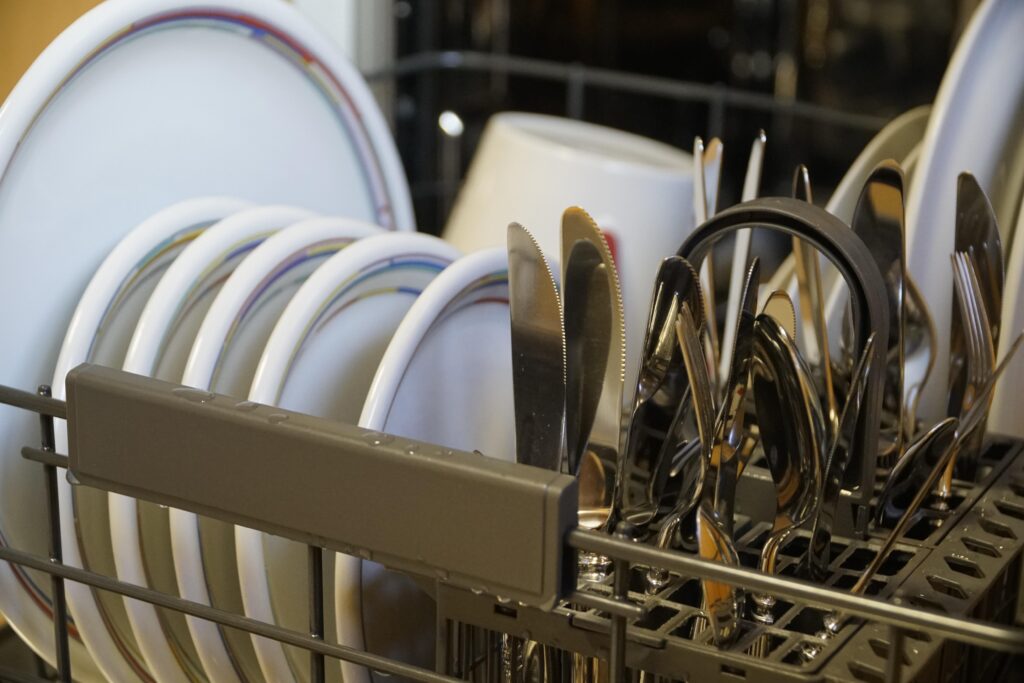
When it comes to doing the dishes, many people mistakenly believe handwashing saves water. Modern technology proves otherwise. High-efficiency dishwashers use only a fraction of the water required to scrub a sink full of dirty plates. They also heat the water more effectively inside the tub, cutting down on the electricity needed for your home water heater. Upgrading your cleanup routine is a smart investment, and finding an eco-friendly model during a dishwasher sale makes sustainable living much more accessible for any budget. To maximize these water savings, get into the habit of simply scraping your plates into the compost bin rather than pre-rinsing them under the tap.
Understanding Appliance Energy Ratings
When shopping for new kitchen equipment, understanding energy labels is critical. Most regions use a standardized rating system to help consumers compare different models. These labels estimate the annual electricity consumption and operational cost of the unit. Reading these tags helps you look past the shiny stainless steel or matte black finish and evaluate the actual performance of the machine.
Size plays a major role in these ratings. A massive refrigerator might have a great energy rating for its class, but it will still draw more power than a smaller, perfectly rated unit. Buy appliances that fit your actual household needs. If you live alone or have a small family, a standard-sized fridge makes more sense than a commercial-grade double-door model. Cooling empty space wastes a lot of electricity. Some modern refrigerators even feature smart technology that sends an alert to your phone if the door is left ajar, preventing accidental energy loss.
Cooking with Maximum Efficiency
Your stovetop and oven choices directly impact your daily energy consumption. Traditional gas ranges lose a significant amount of heat to the surrounding air, making your kitchen hot and forcing your cooling system to work harder. Electric coil stoves are slightly better but take a long time to heat up and cool down.
Induction cooktops are an excellent option for green kitchens. They use electromagnetic fields to heat the pan directly, meaning almost no heat escapes into the room. This speeds up cooking times and keeps your kitchen cooler. For baking and roasting, convection ovens are highly efficient. They use an internal fan to circulate hot air around the food. This allows you to cook meals at lower temperatures and in less time than a conventional oven. Getting into the habit of using smaller appliances, like toaster ovens or slow cookers for small meals, also cuts down on your overall power draw.
Designing a Smart Layout for Better Cooling
The physical layout of your kitchen dictates how efficiently your appliances run. Putting heat-producing machines next to cooling machines forces them to fight against each other. If your refrigerator sits right beside your oven, the fridge has to work overtime to keep your groceries cold whenever you bake.
Give your appliances room to breathe. Refrigerators need proper clearance on the sides and back for air circulation. If you push a fridge tight against a wall or stuff it into a custom cabinet box without ventilation, the compressor will overheat and draw excess power. Always measure your space and check the manufacturer guidelines for clearance requirements. Natural lighting also plays a role in your layout. Placing your main prep zones near windows means you can rely on sunlight during the day instead of flipping on overhead lights.
Sustainable Materials for Surfaces and Cabinets
Appliances are only part of the equation. The materials you choose for countertops, floors, and cabinets also impact the environment. If your current cabinet boxes are structurally sound, consider refacing them instead of tearing them out entirely. Replacing just the doors and adding fresh drawer pulls prevents heavy wood frames from ending up in a landfill. This approach also saves a significant amount of money during a renovation.
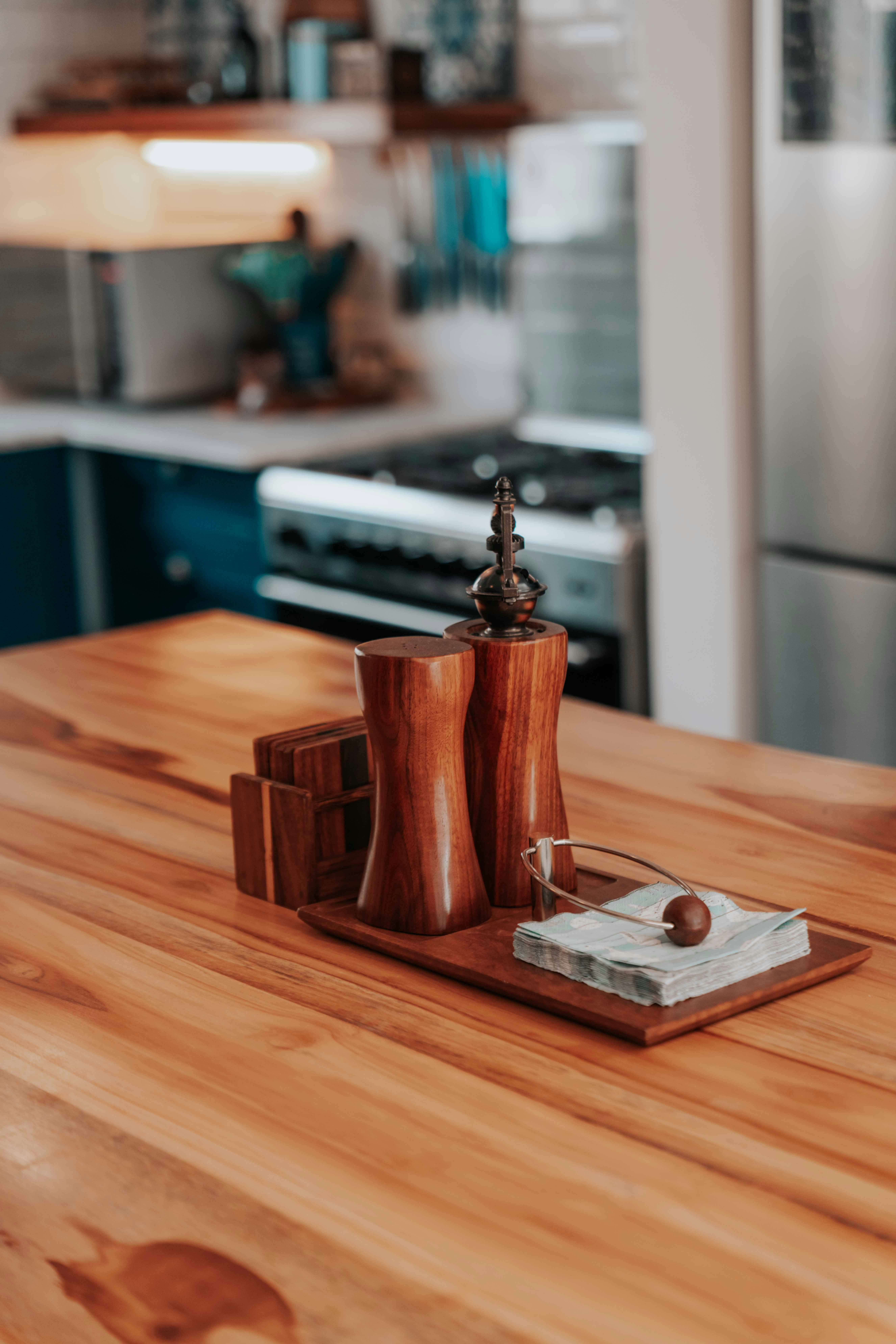
If you are installing new surfaces, look for renewable or recycled materials. Bamboo is a fast-growing grass that makes a durable, beautiful surface for butcher blocks or flooring. Recycled glass suspended in resin creates stunning, hard-wearing countertops that resist stains and scratches. Reclaimed wood from old barns or factories adds rich texture to open shelving. When painting the walls or staining cabinets, always select products with low volatile organic compounds to keep the indoor air quality healthy and safe for your family.
Everyday Habits for a Greener Cooking Space
Upgrading your hardware sets a solid foundation, but your daily routines ultimately determine your home environmental footprint. Small adjustments add up quickly over time. Wait until you have a completely full load before running the wash cycle on your machines. Match your pot sizes to the correct burner size on your stove so heat does not escape around the sides of the pan. Keeping a lid on boiling water traps the heat and speeds up the cooking process.
Unplug small countertop devices like blenders, coffee makers, and toasters when they are not in use, as they still draw a small amount of electricity while plugged in. Keep your refrigerator coils clean and vacuumed so the motor runs smoothly. Consider setting up a small compost bin under your sink to collect food scraps, which reduces the load on your garbage disposal and cuts down on municipal waste. By combining efficient technology with thoughtful daily habits, you build a healthier home and keep your utility costs manageable.
FAQ About Creating an Eco-Friendly Kitchen
Do eco-friendly appliances really lower utility bills?
Yes, modern appliances are designed to use significantly less electricity and water than older models. Upgrading a failing refrigerator or an outdated dishwasher can result in noticeable drops in your monthly energy and water costs.
Why are induction cooktops better for the environment?
Induction cooktops heat the cookware directly using magnetic fields. This means very little ambient heat is lost to the air, making the cooking process faster and reducing the strain on your home air conditioning system.
Is it better to handwash dishes or run a full load?
Running a full load in a modern, highly rated dishwasher uses much less water than handwashing dishes in the sink. It also heats the water more efficiently, saving energy on your home water heating bill.
What should I look for when buying a green refrigerator?
Look for standardized energy labels that estimate annual power usage. Also, choose an appropriately sized model for your household, as keeping a massive, half-empty refrigerator cold wastes a considerable amount of electricity.
How can I reduce waste during a kitchen remodel?
Instead of completely demolishing your kitchen, keep the existing cabinet boxes and simply replace the doors and hardware. You can also donate your old working appliances and choose sustainable materials like bamboo or recycled glass for new surfaces.