
Plumbing systems rarely fail without giving homeowners clues first. Pipes, drains and fixtures are designed to last for years, but daily use slowly takes a toll. Water quality, household demand and the age of materials all influence how long a plumbing system can perform reliably. When these systems begin to struggle, the signs often appear quietly and are easy to overlook.
Recognizing these early signals can help homeowners act before minor concerns turn into disruptive or expensive problems. Understanding what your plumbing is trying to tell you is one of the best ways to protect your home.
Drains That Struggle More Often Than They Should
One slow drain may not seem alarming, especially in busy households. When sinks, tubs or showers repeatedly drain slowly across different rooms, it suggests the issue goes beyond surface buildup. This pattern often points to restricted flow deeper within the plumbing system.
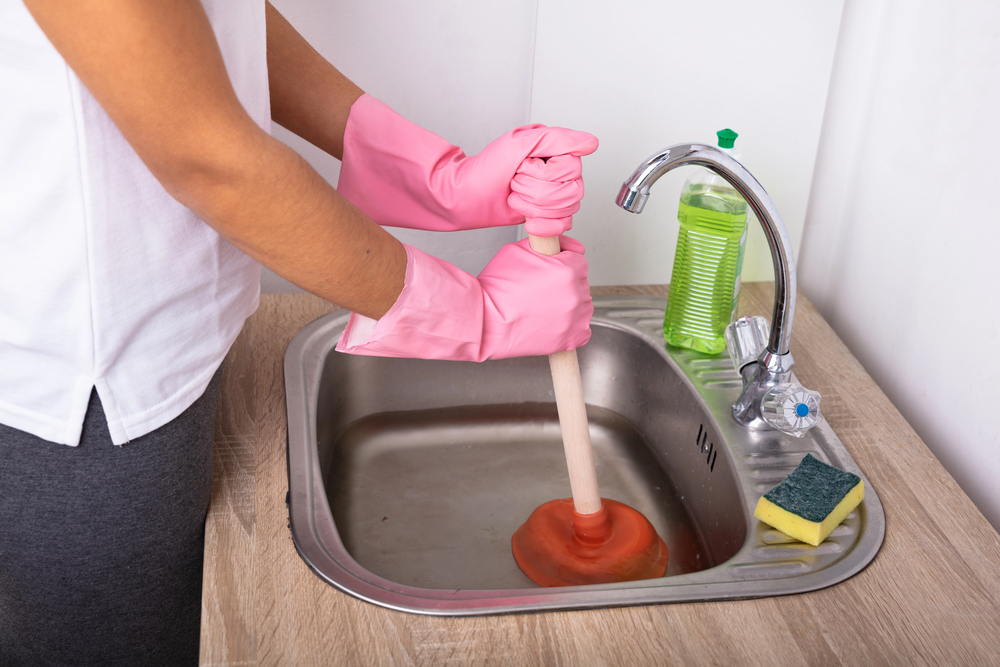
If plunging or basic cleaning only provides short-term relief, the pipes themselves may be experiencing buildup, misalignment or wear. Over time, restricted drainage increases pressure throughout the system, making future blockages more likely.
Changes in Water Flow You Cannot Explain
Water pressure tends to remain consistent in a healthy plumbing system. When pressure drops unexpectedly or fluctuates throughout the day, it often signals an internal issue. The cause may involve narrowing pipes, hidden leaks or aging connections that are no longer functioning efficiently.
Homes with older plumbing materials are especially vulnerable, but even newer systems can experience pressure problems if sediment accumulates or fittings loosen. When multiple fixtures are affected, the issue is rarely isolated to a single tap.
Water That Looks or Smells Different Than Usual
Clear, clean water is something homeowners often take for granted until it changes. If water begins to appear cloudy, yellow or brown, it may indicate corrosion or debris inside the pipes. Metallic tastes or unusual odors can accompany these changes, particularly in older homes.
These symptoms often appear gradually and may come and go. Repeated occurrences, however, suggest that the plumbing system is no longer providing consistent water quality and may be approaching a critical stage of wear.
Moisture Where It Does Not Belong
Not all plumbing problems announce themselves with dripping sounds or visible leaks. Moisture can slowly collect behind walls, under flooring or beneath cabinetry without being immediately noticeable. Signs such as bubbling paint, warped surfaces, or persistent damp smells often point to water escaping where it shouldn’t be.
These slow leaks place constant stress on pipes and surrounding materials. Left unaddressed, they can weaken structural components and create conditions that support mould growth.
Unusual Sounds Coming From Pipes and Fixtures
Plumbing systems typically operate quietly, so unexpected noises deserve attention. Clicking, knocking, gurgling or whistling sounds may indicate pressure imbalances, trapped air or movement within the pipes. These sounds often occur during changes in water flow, such as when taps are turned off or appliances stop drawing water.
While these noises may seem harmless at first, they often signal strain within the system. Over time, that strain can lead to loose joints, cracked fittings or more serious failures.
Odors That Linger Near Drains or Bathrooms
Persistent smells near sinks, tubs or floor drains are another warning sign. While temporary odors can occur, ongoing sewer-like or musty smells usually point to ventilation problems, buildup within drain lines or dried-out traps.
When odors remain despite cleaning and routine maintenance, the plumbing system may not be sealing or venting properly. These issues can affect indoor air quality and signal deeper concerns within the drainage system.
Older Plumbing Materials Reaching the End of Their Lifespan
Every plumbing system has a natural lifespan. Materials that were once standard may no longer meet modern expectations for durability or efficiency. Pipes installed decades ago may now be more vulnerable to corrosion, cracking or internal narrowing.
When repairs become more frequent and seem to address symptoms rather than causes, it often indicates that parts of the system are simply wearing out. In these situations, repeated fixes may offer diminishing returns. For homeowners in North Texas, a licensed team like Aqua Pure Plumbing can inspect aging pipes and explain whether targeted repairs or a larger replacement makes more sense.
When repairs become more frequent and seem to address symptoms rather than causes, it often indicates that parts of the system are simply wearing out. In these situations, repeated fixes may offer diminishing returns. For homeowners in North Texas, a licensed team like Aqua Pure Plumbing can inspect aging pipes and explain whether targeted repairs or a larger replacement makes more sense.
Unexpected Increases in Water Bills

A gradual or sudden rise in water bills without changes in household habits is often a sign that water is escaping somewhere in the system. Even small leaks can waste significant amounts of water over time, placing additional pressure on pipes and joints.
Monitoring water usage can help homeowners detect issues early. Identifying the source before damage becomes visible can save both money and inconvenience.
Why Acting Early Matters
Plumbing systems tend to decline slowly, which makes early warning signs easy to dismiss. The challenge is recognizing when patterns form and taking them seriously. Addressing concerns early can prevent water damage, preserve the integrity of the home, and reduce the likelihood of emergency repairs.
When symptoms persist or appear in multiple areas of the home, having the system evaluated by a qualified plumber can help determine whether the issue is localized or part of a broader problem. Early assessment often provides more options and greater peace of mind.
Protecting Your Home Through Awareness
Homeownership involves more than reacting to visible problems. Paying attention to subtle changes in plumbing performance allows homeowners to act proactively rather than reactively. Regular observation, combined with timely professional insight when needed, helps ensure that plumbing systems continue to support daily life safely and reliably.
Understanding these warning signs can give you the opportunity to address any plumbing issues in your home before they reach a breaking point.